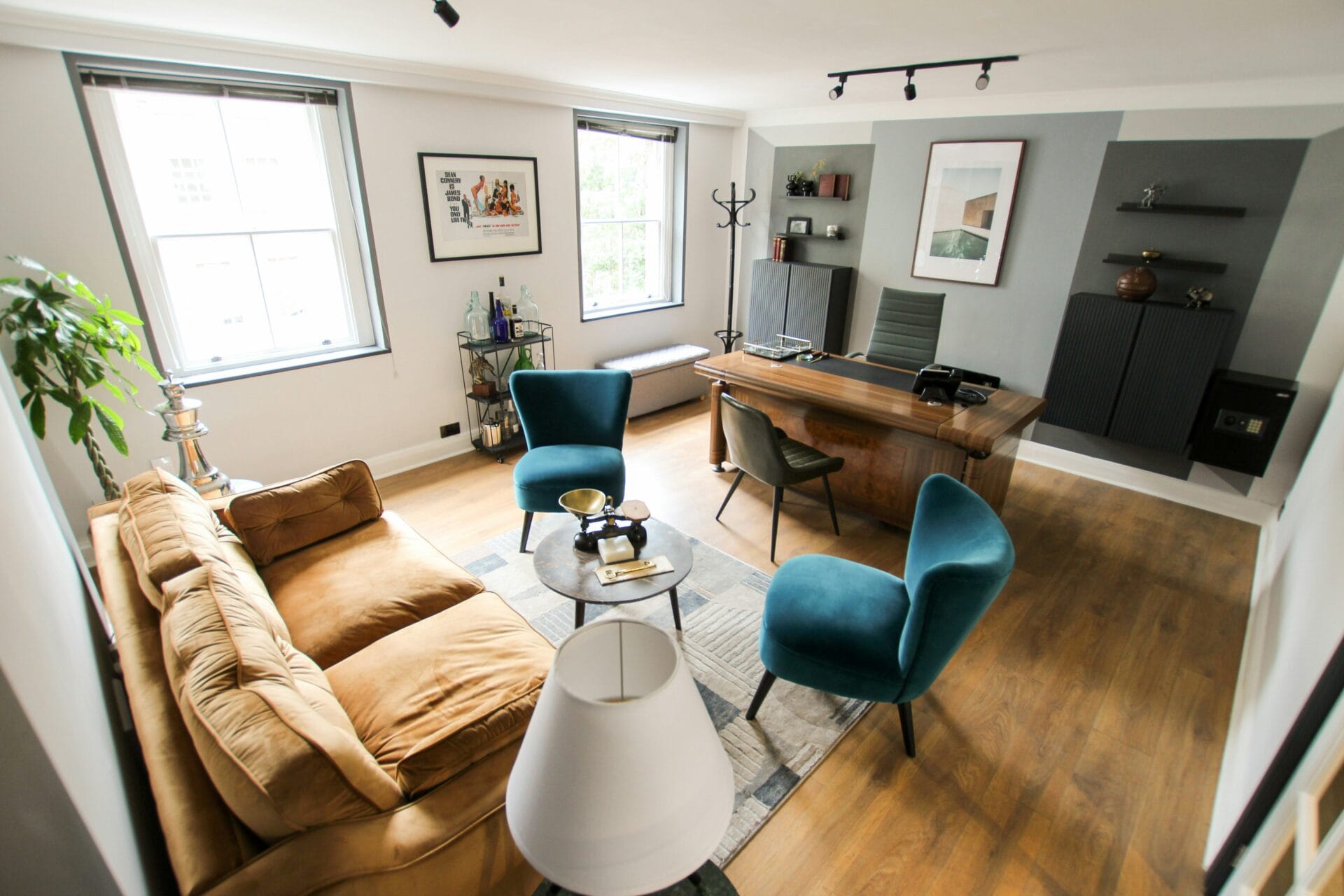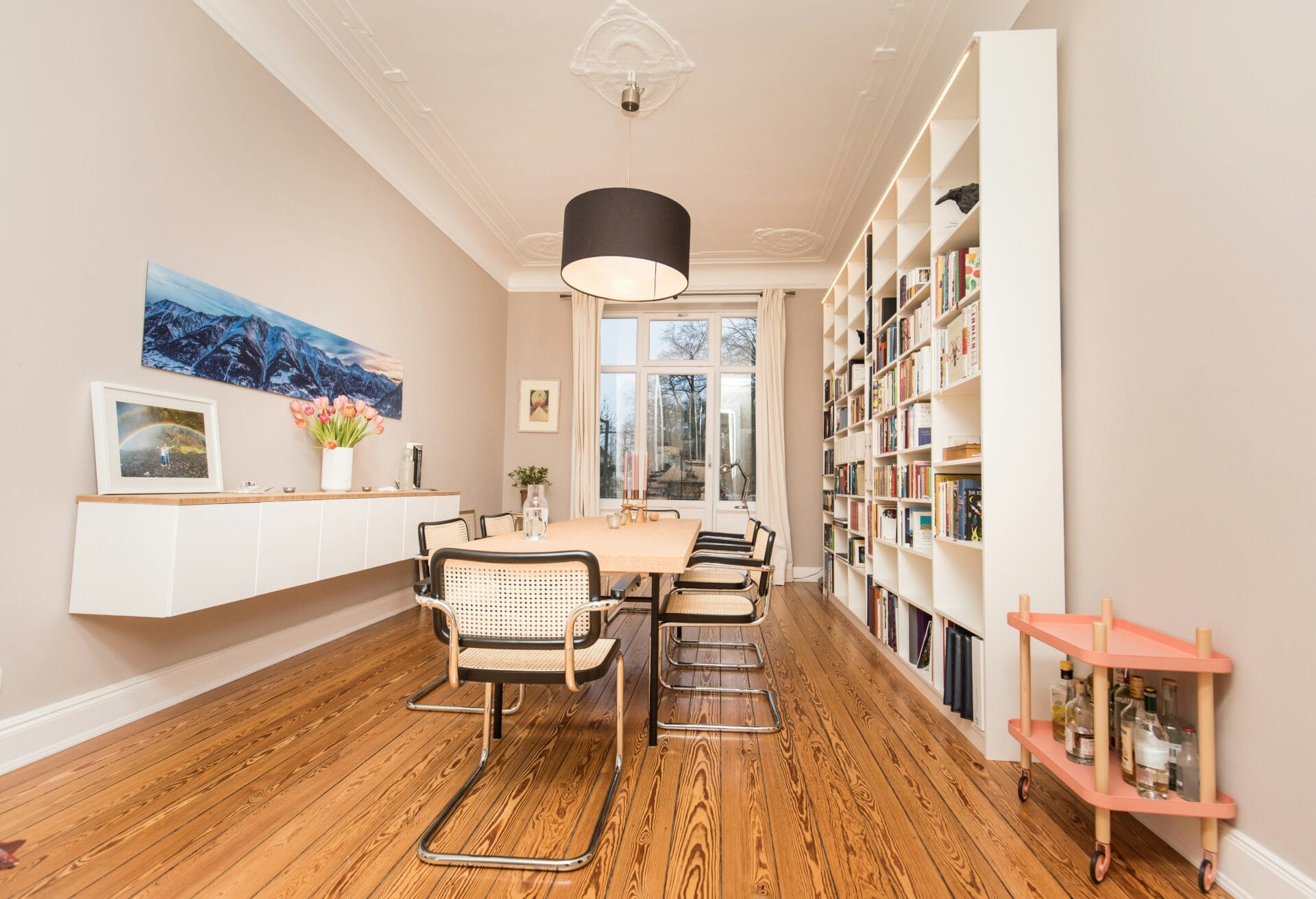
For hotel developers, owners, and procurement teams, hotel furniture cost per room is one of the most important early-stage budget questions. However, the answer changes significantly depending on what each supplier includes in the quote.
For example, a “$2,500 per room” figure may cover only guestroom casegoods quoted FOB from a factory. In contrast, a “$12,000 per key” budget may include mattresses, lighting, window treatments, guestroom accessories, public-area furniture, logistics, installation, and project management.
Therefore, buyers should define the cost scope before comparing supplier quotations. Hotel teams can evaluate hotel furniture budgets in three layers:
- Guestroom furniture-only cost—beds, headboards, casegoods, desks, and seating.
- Guestroom FF&E package cost—furniture plus selected mattresses, lighting, mirrors, window treatments, accessories and equipment.
- Total hotel FF&E cost per key—guestroom FF&E plus allocated public-area furniture, logistics, installation, project management, and contingency.
This guide explains hotel furniture cost per room in 2026, shows planning ranges by hotel tier, and helps buyers compare factory quotes, landed costs, and full hotel FF&E budgets accurately.
Planning note: This guide uses illustrative budget ranges, not quotations. Location, room mix, brand standards, material grade, customization, freight, duties, installation, local labor, trade terms, and project timing can change costs significantly.
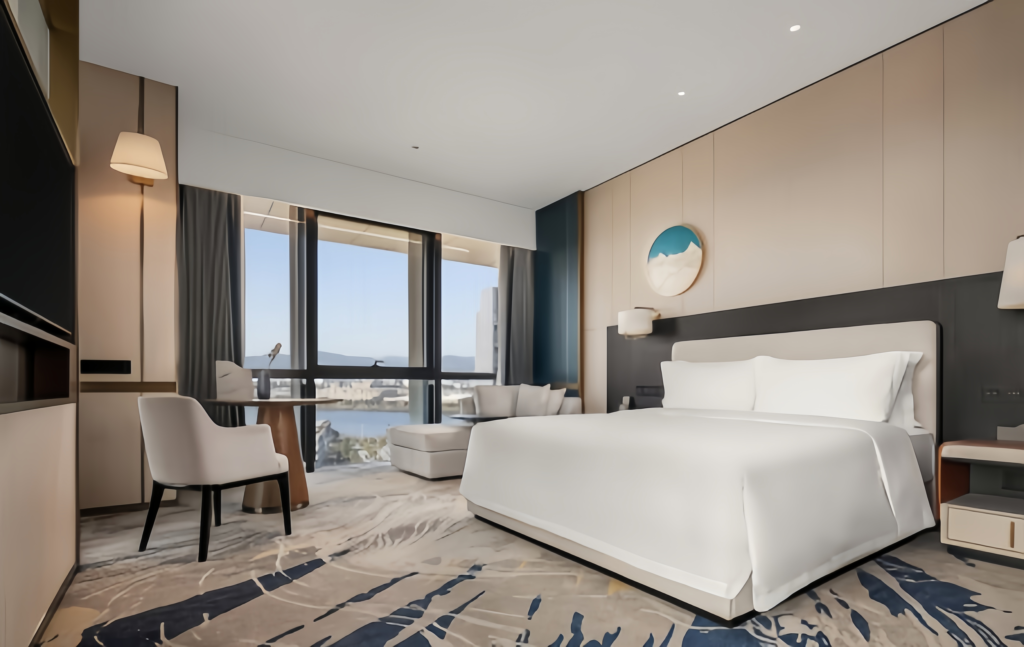
Key Takeaways
- Hotel furniture cost per room depends on whether the budget covers furniture-only, a guestroom FF&E package, or total hotel FF&E cost per key.
- Guestroom furniture-only pricing is usually much lower than a fully installed guestroom or total-hotel FF&E budget.
- Economy and select-service projects often use standardized furniture packages. Meanwhile, upscale and luxury projects usually require more custom finishes, higher-end upholstery, and specialist installation.
- Public-area furniture, logistics, duties, installation, storage, model rooms, and contingency can significantly increase the all-in cost per room.
- Direct factory sourcing from China may provide a meaningful FOB cost advantage on comparable specifications. However, freight, duties, installation, warranty, quality control, and project scheduling determine the final landed cost.
- BIFMA, GREENGUARD Gold and FSC do not form a universal hotel furniture certification package. Buyers should match documentation to the product category, destination market, and hotel brand requirements.
- The most reliable hotel furniture budget uses an itemized FF&E schedule with clear inclusion, exclusion, and trade-term assumptions.
Quick Answer: How Much Does Hotel Furniture Cost Per Room?
Buyers can evaluate hotel furniture costs in three practical layers:
| Cost Layer | Typical Scope | Why It Matters |
|---|---|---|
| Guestroom furniture only | Bed base, headboard, case goods, desk, selected seating, and wardrobe | Helps buyers compare factory furniture prices |
| Broader guestroom FF&E package | Furniture plus selected mattresses, mirrors, lighting, window treatments, and guestroom equipment | Supports room-level development budgeting |
| Total hotel FF&E cost per key | Guestroom FF&E plus public-area allocation, logistics, installation, project management, and contingency | Supports full project capital planning |
As a result, a midscale hotel may have a relatively modest furniture-only guestroom package while requiring a much larger overall FF&E budget after it adds mattresses, lighting, soft goods, public areas, logistics, installation and contingency.
What Is Included in Your Per-Room Cost?
Before comparing hotel furniture quotations, first ask every supplier what the quoted scope includes.
| Item | Furniture-Only Guestroom Package | Broader Guestroom FF&E Package | Total Hotel FF&E Cost per Key |
|---|---|---|---|
| Bed base and headboard | Usually included | Included | Included |
| Nightstands, desk, and wardrobe | Usually included | Included | Included |
| Guestroom seating | Usually included | Included | Included |
| Mattress and foundation | Sometimes included | Often included | Often included |
| Lighting and mirrors | Sometimes included | Often included | Often included |
| Window treatments | Usually excluded | Often included | Often included |
| Mini-bar cabinet and hospitality tray | Sometimes included | Project-dependent | Project-dependent |
| TV, AV, safe and electronics | Usually excluded | Project-dependent | Project-dependent |
| Artwork and accessories | Usually excluded | Often included | Often included |
| Public-area furniture allocation | Excluded | Excluded | Included |
| Freight, duties and insurance | Excluded | Project-dependent | Usually budgeted |
| Installation and site protection | Excluded | Project-dependent | Usually budgeted |
| OS&E | Excluded | Excluded | Excluded or separately budgeted |
As a result, hotel teams should budget OS&E separately from hotel FF&E. OS&E includes linens, towels, glassware, cleaning supplies, uniforms, guest amenities, and other daily operating items.
For a complete explanation, see Hotel FF&E and OS&E Package: What’s Included and How to Budget in 2026.
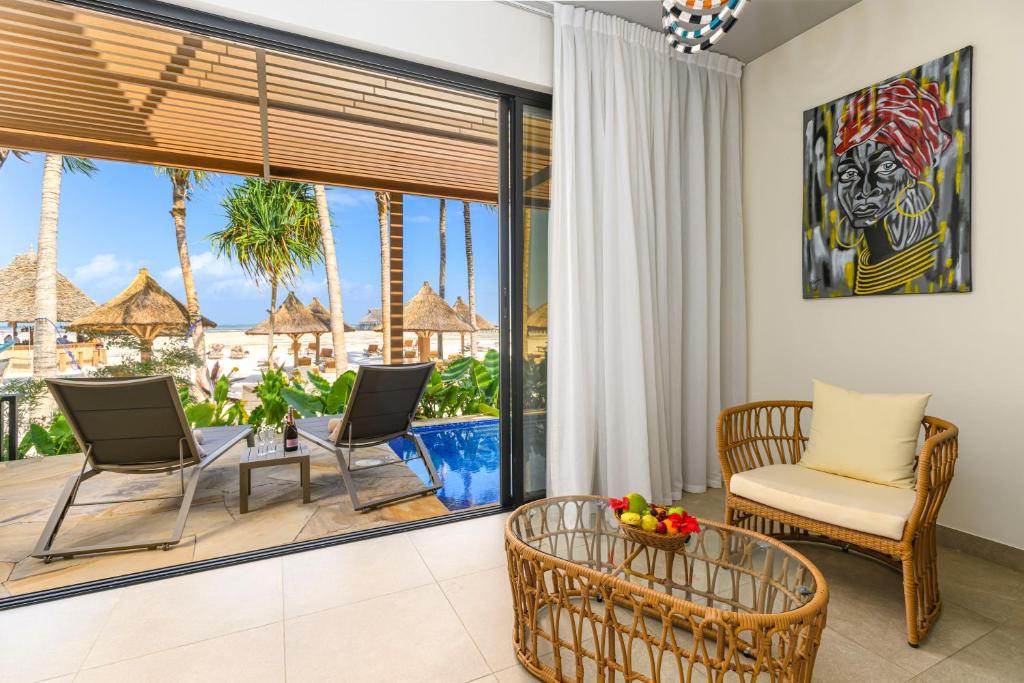
Hotel Furniture Cost Per Room by Tier
To make the comparison clearer, the following planning ranges distinguish between guestroom furniture-only budgets and broader guestroom FF&E budgets. Treat every figure as an illustrative planning range rather than a fixed quotation.
| Hotel Tier | Furniture-Only Guestroom Package | Broader Guestroom FF&E Package | Main Cost Drivers |
|---|---|---|---|
| Economy / select service | $1,500–$4,000 | $4,000–$7,000 | Standardized case goods, basic seating, local soft goods, and simpler finishes |
| Midscale | $2,500–$6,000 | $8,000–$13,000 | Mattress, lighting, window treatments, improved case goods, and installation |
| Upscale | $4,500–$10,000 | $15,000–$25,000 | Custom finishes, premium upholstery, upgraded materials, and public-area allocation |
| Luxury / boutique | $8,000–$25,000+ | $30,000–$55,000+ | Bespoke joinery, stone, metalwork, designer finishes, artwork, and specialist installation |
Consequently, buyers should define “hotel furniture cost per room” before comparing any benchmark. A furniture-only price, a complete guestroom FF&E cost and a total project per-key budget answer three different procurement questions.
Industry guides commonly place hotel FF&E at a meaningful share of total development cost. However, every source uses a different scope. Some include guestrooms only, while others also include public areas, installation, OS&E or selected construction fixtures.
What Drives Hotel Furniture Cost?
In practice, scope, materials, customization, and delivery conditions create the largest cost differences.
| Cost Driver | How It Affects Budget |
|---|---|
| Hotel tier and brand standards | Higher-tier properties may require more detailed finishes, custom dimensions, and approved materials |
| Room size and room mix | Suites, accessible rooms, family rooms, and connecting rooms may need different furniture packages. |
| Customization level | Custom engineering, tooling, samples, and unique details increase cost |
| Materials and finishes | Veneer, solid wood, stone, metalwork, performance fabric, and specialty coatings affect pricing. |
| Mattress and bedding scope | Mattress standards, foundations, and soft goods can materially increase room cost. |
| Lighting and technology | Bedside lighting, integrated power, AV, safe, mini-bar, and charging modules add scope. |
| Public-area design | Lobby, restaurant, bar, meeting room, spa, and outdoor furniture can change total FF&E per key. |
| Freight and duties | Origin, destination, routing, tariffs, customs, and insurance affect landed cost. |
| Installation conditions | Site access, floor distribution, room protection, labor, and project phasing affect installation cost. |
| Brand or PIP requirements | Required durability, fire performance, emissions, accessibility, and design standards may add cost. |
| Project schedule | Rush production, split shipments, air freight, and storage can increase cost. |
For this reason, buyers should align scope and specifications before asking suppliers to quote. A low furniture-only quotation does not automatically create a low project cost.
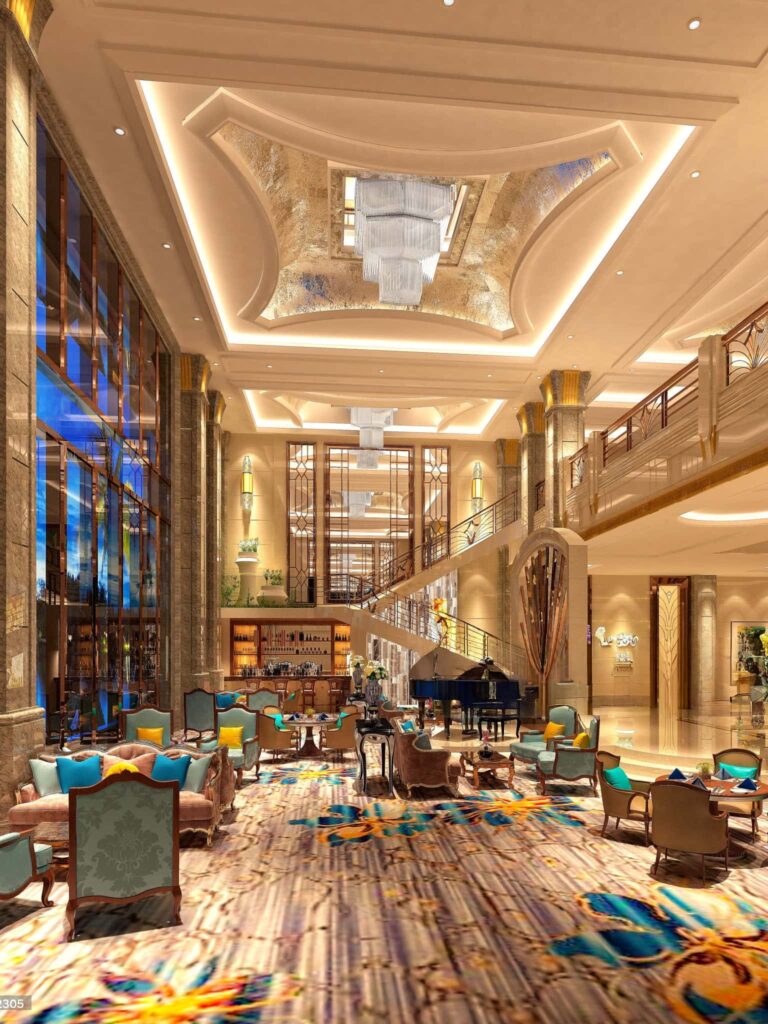
Hotel Furniture
Guestroom Furniture Cost Breakdown
For example, the following table outlines an illustrative furniture-only cost structure for a midscale guestroom.
| Furniture Category | Illustrative Cost Per Room | Main Cost Variables |
|---|---|---|
| Bed base and headboard | $300–$850 | Bed size, upholstery, lighting, material and wall-mounting details |
| Nightstands | $180–$450 | Quantity, material, power modules, hardware and finish |
| Desk and work chair | $300–$850 | Desk size, chair type, cable management and upholstery |
| Lounge chair and occasional table | $180–$650 | Frame, foam, fabric, ottoman and custom shape |
| Wardrobe or closet system | $250–$800 | Built-in versus freestanding construction, internal fittings and hardware |
| TV panel, media cabinet or credenza | $150–$600 | Size, finish, cable routing and mounting requirements |
| Mini-bar cabinet or hospitality unit | $120–$400 | Appliance ventilation, storage and custom finish |
| Bathroom vanity or vanity cabinetry | $200–$700 | Countertop material, sink cut-out, moisture resistance and hardware |
| Mirrors and selected decorative furniture | $100–$400 | Frame, safety backing, lighting and size |
| Illustrative furniture-only room total | $2,500–$6,000 | Depends on materials, quantity and customisation |
Nevertheless, this room total excludes several major cost categories. These typically include mattresses, window treatments, lighting, artwork, electronics, OS&E, freight, duties, installation, taxes, and public-area allocation.
Total Hotel FF&E Cost Per Key
Once the hotel confirms its guestroom scope, the project team should build a wider FF&E budget that includes public areas and project-delivery costs.
Total Hotel FF&E Budget=(Guestroom FF&E per Key×Room Count)+Public Area FF&E+Logistics and Installation+Project Management+Contingency
Then calculate the all-in cost per key:

In other words, the per-key figure becomes meaningful only after the project team includes every project-level cost.
Example: 150-Room Midscale Hotel
| Budget Component | Illustrative Amount | Notes |
|---|---|---|
| Guestroom FF&E package | $1,500,000 | $10,000 per key planning allowance |
| Public-area FF&E | $300,000 | Lobby, restaurant, meeting rooms, corridor, and selected outdoor furniture |
| Freight, duties, and insurance | $180,000 | Depends on origin, destination, and Incoterm |
| Installation and site protection | $150,000 | Depends on access, local labor, and project phasing |
| Samples, model room, and project coordination | $90,000 | Scope varies by brand and customization. |
| Contingency | $220,000 | Covers scope changes, delays, and material changes |
| Illustrative total FF&E budget | $2,440,000 | Excludes OS&E, major construction, and taxes where applicable |
| Illustrative all-in cost per key | $16,267 | Total budget divided by 150 rooms |
This example does not represent a universal midscale hotel budget. Instead, it demonstrates why buyers should not compare a furniture-only guestroom quotation with a full hotel FF&E budget.
Public-Area Furniture Budget
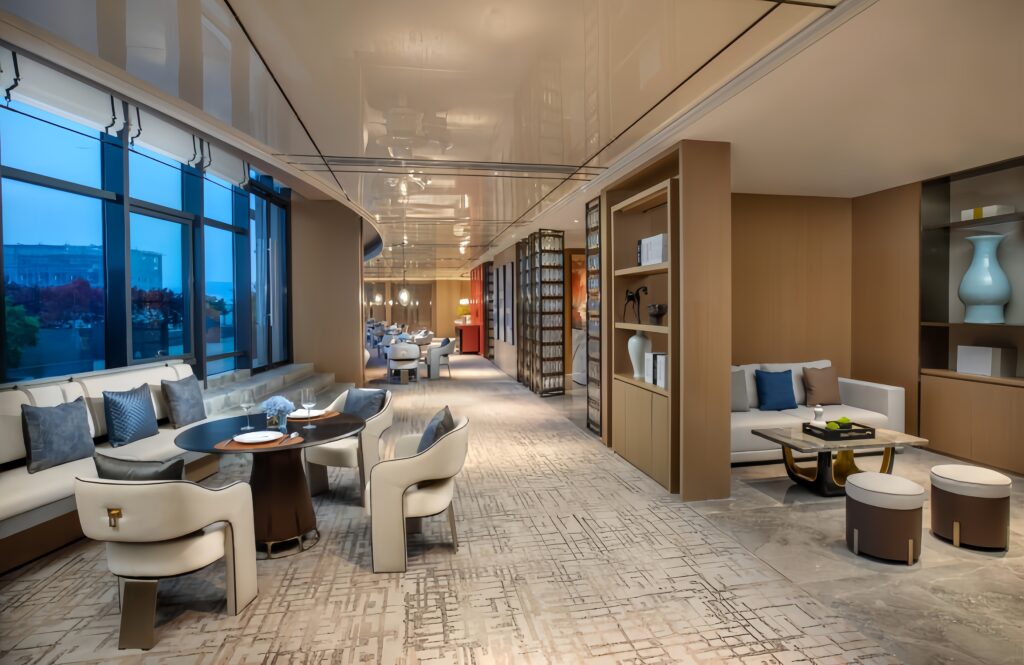
Moreover, public-area furniture can materially affect hotel FF&E cost per key, especially for lifestyle, resort, upscale, and luxury properties.
| Public Area | Typical Furniture Scope | Main Cost Variables |
|---|---|---|
| Lobby and reception | Reception desk, sofas, lounge chairs, coffee tables, and concierge furniture | Branding, stone, metalwork, upholstery, and lighting |
| Restaurant and bar | Dining chairs, tables, banquettes, bar stools, and buffet furniture | Seat count, tabletop material, cleanability, and custom upholstery |
| Meeting rooms | Conference tables, chairs, training tables, and storage | AV integration, power modules, and room flexibility |
| Corridors and waiting areas | Benches, consoles, occasional seating, and decorative furniture | Fire requirements, durability, and wall protection |
| Pool and outdoor areas | Loungers, tables, umbrellas, and outdoor seating | UV exposure, corrosion resistance, and cushion specifications |
| Spa and wellness | Reception, lounge, treatment room, and changing-area furniture | Moisture resistance, hygiene, and design requirements |
| Executive lounge | Dining, lounge, work, and service furniture | Premium finishes, power access, and hospitality use |
Therefore, project teams should budget public-area furniture separately before allocating it across room keys. A hotel with a large restaurant, ballroom, spa or resort outdoor area will have a much higher all-in FF&E cost per key than a select-service hotel with limited amenities.
China Factory Sourcing vs. Local or Regional Sourcing
When a project has sufficient lead time, direct sourcing from a China furniture factory may reduce FOB product cost for comparable specifications. However, the most suitable sourcing route depends on project timing, product complexity, destination market, customs, warranty expectations, and local installation capability.
| Cost or Delivery Factor | Direct China Factory Route | Local or Regional Supplier Route |
|---|---|---|
| Product FOB price | May be lower for volume and custom projects | May be higher due to local overhead or distribution margin |
| Customisation | Often strong for project-scale orders | May be limited to stocked or catalogue programmes |
| Freight and customs | Requires international shipping, customs and duty management | Often lower or embedded in local delivery |
| Lead time | Requires sample approval, production and export logistics | May be faster for in-stock or regional programmes |
| Installation | Requires local planning or project coordination | May be bundled with supply and service |
| Warranty support | Requires clear contract definition | May be easier to access locally |
| Quality control | Requires factory audit, samples and inspection plan | May be easier to inspect locally |
| Best use case | Planned, volume-based and custom hotel projects | Urgent replacement, smaller orders or local-service needs |
However, buyers should compare the fully landed and installed project cost—not only the initial factory quotation. They should include furniture, sample development, freight, insurance, duties, customs, local delivery, installation, warranty, and spare parts.
For supplier verification, read How to Verify a China Furniture Factory’s Real Production Capacity.
Documentation and Compliance by Product Category
Buyers should match hotel furniture documentation to the product category, destination market, hotel brand standard, and project specification.
| Product Category | Potential Evidence to Request |
|---|---|
| Office-style desk chairs | Applicable performance evidence for the chair category |
| Upholstered lounge seating | Fire performance, foam, fabric and durability documentation where required |
| Wood casegoods and wardrobes | Material specifications, low-emission evidence and chain-of-custody documentation where required |
| Mattresses | Brand, fire, hygiene and warranty documentation |
| Outdoor furniture | UV, corrosion and weather-resistance documentation |
| Electrical furniture components | Destination-market electrical evidence for power modules, lights and charging systems |
| Composite wood products | Applicable formaldehyde or low-emission documentation |
| Public-area seating | Higher-use performance and project-specific fire or cleaning requirements |
In addition, GREENGUARD Gold can support low chemical-emission and indoor-air-quality objectives. Nevertheless, buyers should confirm that each document applies to the specific product or material configuration being purchased.
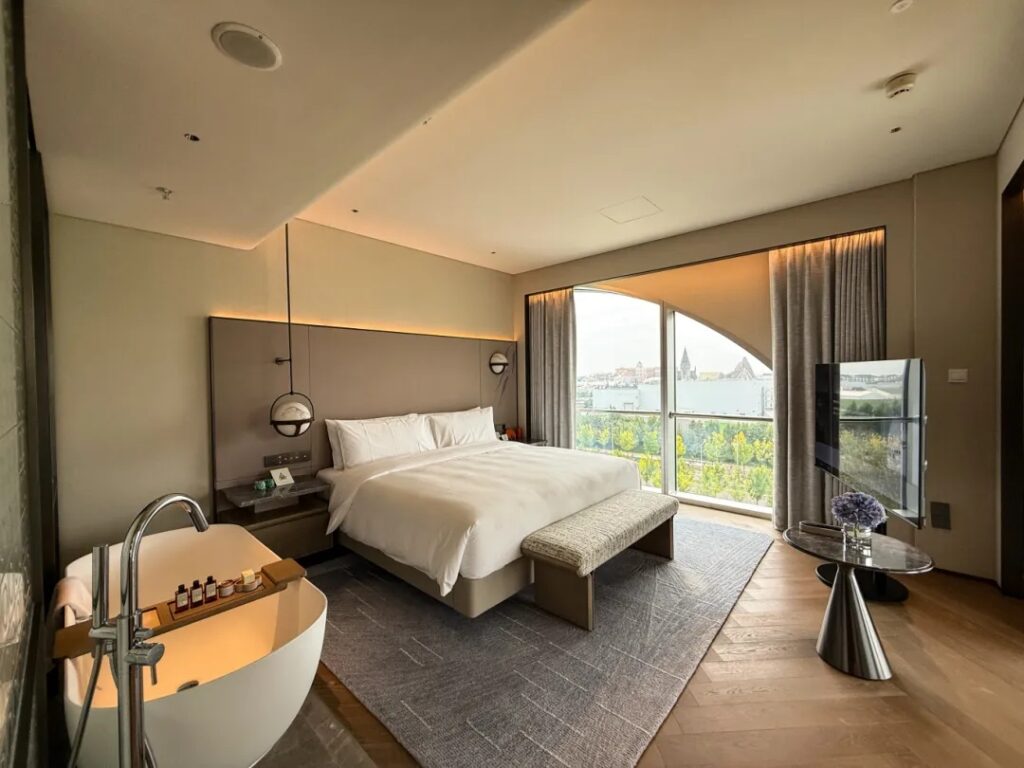
Six Ways to Control Hotel Furniture Cost
Although price matters, hotel teams can control costs without automatically lowering quality.
1. Standardize Components Where Design Allows
First, use common nightstands, desks, wardrobes, hardware, and finishes across similar room types. Standardisation can simplify engineering, production, spare parts, and future maintenance.
2. Use Materials Strategically
Next, use high-pressure laminate or durable commercial surfaces in high-contact areas. Then use veneer, stone, metalwork and premium upholstery selectively where the guest experience or brand identity requires them.
3. Match Upholstery and Foam to Actual Use
In addition, guestroom seating, lobby lounge furniture, and restaurant banquettes experience different levels of use. Therefore, buyers should specify durability, cleaning, foam, fabric, and fire-performance requirements according to each zone.
4. Approve a Model Room Before Mass Production
Before production, the owner, designer, and operator should approve a model room. This process confirms dimensions, colour, hardware, mattress fit, power access, installation sequence, and guest usability before the factory repeats the design across hundreds of rooms.
5. Plan Logistics Around Site Readiness
Meanwhile, project teams should avoid shipping furniture before the hotel can receive, store and protect it. Early arrival can create storage charges, damage and double handling. Late arrival can delay opening or PIP milestones.
6. Include Spares and Warranty Scope
Finally, buyers should include spare hardware, touch-up materials, replacement upholstery, glides and other service items for high-use or high-visibility furniture. The contract should also define responsibility for transit damage, manufacturing defects, installation damage and replacement lead times.
Hotel Furniture Budget Checklist
Finally, use the following checklist before approving a hotel FF&E budget:
- [ ] The budget clearly identifies furniture-only, guestroom FF&E, or total hotel FF&E per key.
- [ ] The room count and room-type mix are confirmed.
- [ ] The project budgets guestroom, public area, and back-of-house furniture separately.
- [ ] The team assigns mattresses, lighting, window treatments, mirrors, electronics and accessories to a clear budget owner.
- [ ] The budget separates OS&E from FF&E.
- [ ] Every quotation states the trade term: EXW, FOB, CIF, DDP, landed or installed.
- [ ] The project includes or excludes freight, duties, insurance, customs, installation, and site protection clearly.
- [ ] The team includes model-room, sample, inspection and project-management costs.
- [ ] The public-area furniture allocation is calculated separately before the team divides total cost by room count.
- [ ] The budget includes contingency for scope changes, logistics, and schedule risk.
- [ ] The project matches documentation to the destination market and hotel brand requirements.
- [ ] The contract defines warranty, spare parts, and after-sales responsibilities.
How Hongye Supports Hotel FF&E Projects
For projects that require custom hotel furniture, Hongye Furniture Group supports hotel FF&E procurement with guestroom casegoods, bed systems, wardrobes, desks, seating, and public-area furniture.
For qualified hotel projects, Hongye can support:
- Itemized furniture schedules.
- Guestroom and public-area product selection.
- Custom engineering and shop drawings.
- Material, finish, and upholstery sample development.
- Model-room production support.
- Project-specific lead-time estimates.
- Factory quality control and inspection coordination.
- Export packing and logistics preparation.
- Documentation packages where applicable to the approved product configuration.
Hongye may offer cost advantages on comparable specifications. However, buyers should compare furniture scope, materials, freight, duties, installation, warranty, service access, and compliance evidence before selecting a sourcing route.
For a complete procurement workflow, read FF&E Procurement Explained: A Hotel Developer’s Complete Guide.
Frequently Asked Questions
How much does it cost to furnish a hotel room in 2026?
The answer depends on scope. A furniture-only guestroom package may range from approximately $1,500 for a standardised economy room to $25,000 or more for a custom luxury room. A broader guestroom FF&E package that includes mattresses, lighting, window treatments and accessories costs more. In addition, a total hotel FF&E budget per key costs more because it includes public-area furniture, logistics, installation and project costs.
What is the difference between hotel furniture cost per room and FF&E cost per key?
Hotel furniture cost per room may refer only to guestroom furniture. By comparison, FF&E cost per key usually includes a wider allocation of guestroom FF&E, public-area furniture and project-delivery costs divided by the number of rooms. Therefore, buyers should always confirm included scope before comparing numbers.
How can I reduce hotel furniture cost without lowering quality?
First, standardise room components where practical. Next, select materials according to use intensity. Then approve a model room, plan procurement early and avoid unnecessary rush shipments. Finally, include spare parts and clear warranty responsibilities. Buyers should compare suppliers on landed and installed scope rather than furniture-only price.
Does hotel furniture cost include installation?
Not always. FOB factory pricing normally excludes freight, customs, local delivery and installation. Some landed or DDP quotations may include more logistics scope but still exclude room-by-room assembly, placement, packaging removal and site protection. Therefore, confirm the delivery and installation scope in writing.
How long does hotel furniture last?
Service life depends on material quality, guest occupancy, cleaning methods, maintenance, brand requirements and refurbishment strategy. High-use guestroom and public-area furniture may require different replacement cycles. Instead of relying on one fixed number of years, hotel teams should maintain an asset register and inspect furniture regularly for structural, finish, upholstery and compliance issues.
Is sourcing hotel furniture from China cheaper?
Direct China sourcing may offer lower product pricing on comparable specifications, particularly for planned, volume-based and custom projects. However, freight, customs, tariffs, local installation, quality control, warranty, project schedule and after-sales service determine the final cost. Therefore, compare landed and installed cost rather than FOB price alone.
Build Your Budget From Scope, Not a Single Number
Ultimately, hotel furniture cost per room becomes useful only when the project team agrees on the scope behind the number.
Start with an itemized guest room schedule. Next, build a separate public-area budget. Then add logistics, duties, installation, samples, project management, and contingency before calculating the final FF&E cost per key.
This approach gives hotel developers a more realistic capital plan. It also prevents one of the most common procurement mistakes: comparing a furniture-only factory quote with a fully furnished, delivered and installed hotel project budget.