
Why most hotel furniture orders go wrong
The wrong manufacturer can cost you months of delays and six-figure overruns. According to a 2025 survey by the International Society of Hospitality Consultants (ISHC), 38% of hotel renovation projects experience schedule delays caused by furniture procurement issues. The root cause is almost always the same: the developer chose a supplier based on price alone, without verifying production capacity, quality controls, or logistics capabilities.
From our experience working with 200+ hotel projects across the Middle East and Southeast Asia, the developers who ask the right questions before signing consistently deliver on time and on budget. Those who skip due diligence end up with mismatched finishes, missed deadlines, and change orders that erase their initial savings.
This guide gives you the 10 questions that separate reliable hotel furniture manufacturers from risky ones.
Question 1: What is your actual production capacity for hotel-scale orders?
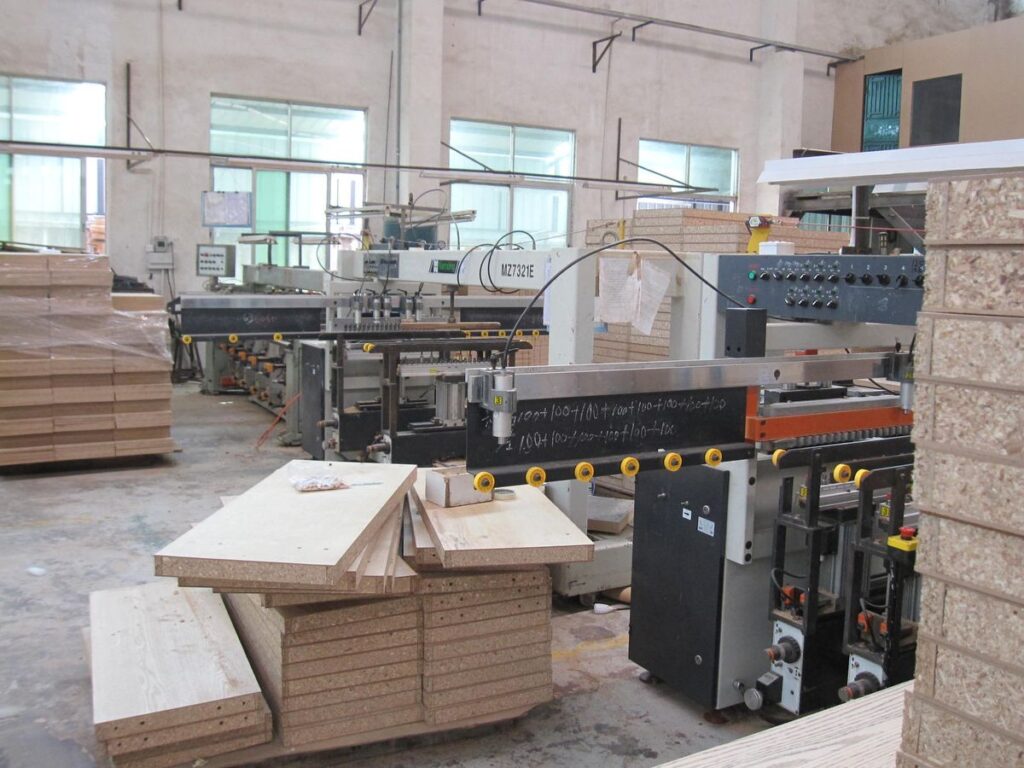
Many factories claim they can handle large orders. Few can prove it. A 300-room hotel needs 8,000 to 12,000 furniture pieces delivered within a tight window. Ask the manufacturer for their monthly output in units, not revenue.
| Capacity metric | What to ask for | Red flag |
| Monthly output (units) | Actual production records for last 6 months | Vague claims like “we can scale” |
| Production line count | Number of dedicated lines for hotel projects | Single line serving multiple clients |
| Workforce size | Factory headcount during peak season | Heavy reliance on temporary workers |
| Warehouse space | Square meters of finished goods storage | No warehousing, ship-from-line only |
A hotel furniture manufacturer that cannot provide documented capacity figures is not ready for your project. Move on.
Question 2: Can you show me quality test reports from an accredited lab?
Quality claims mean nothing without third-party verification. Request test reports from labs like SGS, Intertek, or Bureau Veritas covering:
- Flame retardancy (California TB117-2013, BS 5852, or EN 1021)
- Formaldehyde emissions (CARB Phase II, E0/E1 standards)
- Abrasion resistance (Martindale or Wyzenbeek test results)
- Weight load capacity (BIFMA X5.1 for seating)
| Test category | Common standard | Minimum passing result |
| Flame retardancy (UK/EU) | BS 5852 crib 5 | No ignition after 10 min |
| Flame retardancy (US) | California TB117-2013 | No open flame spread |
| Formaldehyde | CARB Phase II | ≤ 0.05 ppm |
| Abrasion (upholstery) | Martindale | ≥ 25,000 cycles (hospitality grade) |
| Seat durability | BIFMA X5.1 | 100,000 cycles at 125 lb |
If the manufacturer has never tested to these standards, they are not a hospitality-grade supplier.
Question 3: Who are your existing hotel clients, and can I contact them?
References separate real hotel furniture manufacturers from general furniture factories that occasionally take hotel jobs. Ask for:
- Two to three hotel project references from the past 24 months
- Project names and room counts
- Direct contact with the project manager or purchasing lead
A manufacturer who refuses reference checks has something to hide. One who offers them proactively has earned trust.
Question 4: How do you handle design customization and prototyping?
Hotel projects require custom finishes, fabrics, and dimensions. The manufacturer’s process for turning your design intent into production-ready prototypes tells you everything about their capability.
| Customization aspect | What to verify | Warning sign |
| Design team | In-house CAD/3D rendering capability | Outsourced to freelancers |
| Sample lead time | 7-14 days for first prototype | Over 30 days |
| Revision rounds | 2-3 included before production | Charges per revision |
| Material library | On-site fabric and finish swatches | Digital catalog only |
| Mock-up room | Ability to build full room mock-up | Cannot accommodate |
According to Hospitality Design magazine’s 2025 procurement report, projects that built full mock-up rooms before production had 73% fewer change orders than those that skipped this step.

Question 5: What is your on-time delivery rate, and how do you manage logistics?
Late delivery is the single most expensive problem in hotel furniture procurement. Ask for their on-time delivery percentage over the past 12 months. Anything below 90% is a warning sign.
The manufacturer should explain their logistics chain in detail: factory to port, container loading, shipping route, and last-mile delivery to your site. A supplier who says “we handle shipping” without specifics is hiding gaps.
From our experience, the most reliable manufacturers assign a dedicated logistics coordinator to each hotel project. They provide weekly tracking updates and proactively flag potential delays before they become crises.
Question 6: What warranty do you offer, and how do you handle defects after delivery?
A strong warranty signals confidence in build quality. A weak one signals the opposite.
| Warranty element | Industry standard | Acceptable minimum |
| Structural warranty | 5 years | 3 years |
| Upholstery warranty | 3 years | 2 years |
| Hardware warranty | 2 years | 1 year |
| Defect replacement timeline | 14-21 days | 30 days |
| On-site repair service | Included for projects 200+ rooms | Not available |
Pay close attention to the defect resolution process. If the warranty requires you to ship items back to China at your own cost, the warranty is practically useless for a hotel in operation.
Question 7: What payment terms do you offer for large hotel orders?
Payment structure reveals how much risk the manufacturer is willing to share. Standard terms for hotel furniture manufacturing:
- 30% deposit upon order confirmation
- 40% upon production completion and inspection
- 30% before shipment (or after inspection, if using a letter of credit)
Any manufacturer demanding 70% or more upfront before production begins is shifting all the risk to you. This is not standard practice in the industry, and it should concern you.
| Payment milestone | Typical percentage | Risk level |
| Order confirmation | 30% | Standard |
| Mid-production | 20-30% | Acceptable with inspection |
| Production complete | 20-30% | Standard with third-party QC |
| Before shipment | 10-20% | Standard |
| After installation | 0-10% | Preferred (rare) |
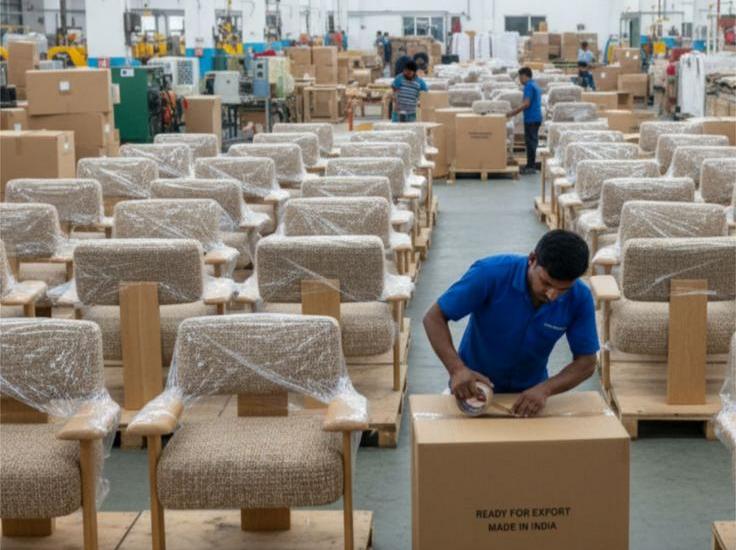
Question 8: Do you have experience shipping to my destination country?
Manufacturing quality means nothing if the furniture arrives damaged, held up in customs, or missing documentation. Your hotel furniture manufacturer must understand:
- Import regulations and documentation requirements for your country
- Fumigation certificates and phytosanitary requirements
- Packing standards for long ocean transit
- Insurance coverage during shipping
A manufacturer who has never shipped to your region will learn at your expense. According to the International Federation of Freight Forwarders Associations (FIATA) 2024 data, first-time shipping routes to emerging markets have a 22% higher incidence of customs delays compared to established routes.
Question 9: What happens if I need replacements or additional units post-delivery?
Hotels need spare parts and replacement pieces long after the initial installation. Ask:
- Do they retain molds and specifications for at least 3 years post-delivery?
- Can they produce matching pieces in small quantities (10-20 units)?
- What is the lead time for replacement orders?
- Is color and finish matching guaranteed for future orders?
| Post-delivery need | Reliable manufacturer response | Risky response |
| Replacement chairs (20 units) | 15-20 day production | Minimum order 100 units |
| Color matching after 1 year | Guaranteed using retained formulas | “Close enough” match |
| Hardware replacements | Shipped within 7 days | 30+ days, minimum order applies |
| Design file retention | 5 years minimum | Deleted after project close |
This question matters more than most developers realize. A 300-room hotel will need replacements within the first year of operation.
Question 10: Can I visit your factory, and will you allow a third-party inspection?
The most telling question of all. A legitimate hotel furniture manufacturer welcomes factory visits and independent inspections. One that makes excuses does not.
Schedule a visit during production, not when the factory is staged for visitors. Bring your own inspector or hire one through SGS, Intertek, or a local QC firm. According to a 2025 Quality Inspection Forum report, pre-shipment inspections catch defects in 34% of furniture orders from China, saving buyers an average of 8% of order value in rework costs.
The 10-question cheklist: quick reference
| # | Question | Key verification |
| 1 | Production capacity | Documented output in units, not claims |
| 2 | Quality test reports | SGS/Intertek lab results |
| 3 | Client references | 2-3 hotel projects, direct contacts |
| 4 | Customization process | In-house design, 7-14 day prototypes |
| 5 | On-time delivery rate | ≥90%, dedicated logistics coordinator |
| 6 | Warranty terms | 3-5 year structural, clear defect process |
| 7 | Payment terms | 30/40/30 split, no 70%+ upfront |
| 8 | Destination shipping experience | Proven route, customs documentation |
| 9 | Post-delivery support | Spare parts, color matching, design retention |
| 10 | Factory visit and inspection | Welcomed, not resisted |
Your next step
Email info@hyhotelfurniture.com with your project specifications, room count, and target delivery date. The Hongye team will respond within 24 hours with a preliminary production plan and capacity assessment for your hotel project.
FAQ
- What certifications should a hotel furniture manufacturer have?
Look for ISO 9001 (quality management), ISO 14001 (environmental management), and FSC or PEFC certification if sustainability is required. For the US market, BIFMA compliance is expected. For EU projects, CE marking and REACH compliance apply. Always request copies of current certificates, not expired ones.
- How long does it take to manufacture furniture for a 300-room hotel?
Typical production time is 45-60 days after design approval and deposit payment. This assumes the manufacturer has confirmed production capacity and materials are in stock. Add 30-40 days for ocean shipping to most destinations. Plan 90-100 days total from order to delivery.
- Should I use a sourcing agent or go direct to the manufacturer?
Going direct saves 10-15% on agent fees but requires more hands-on management. If you have procurement experience and can visit the factory, direct sourcing works well. For first-time buyers or projects in unfamiliar markets, a sourcing agent provides oversight and accountability that justifies their fee.
- What is the typical deposit for a hotel furniture order?
Standard practice is 30% deposit at order confirmation, with the balance paid in milestones tied to production progress and inspection results. Avoid any manufacturer asking for more than 50% upfront, as this shifts risk disproportionately to the buyer.
- How do I verify a manufacturer’s claims about hotel project experience?
Request a client reference list with project names, hotel brands, and room counts. Contact at least two references directly. Cross-check claims on the manufacturer’s website with independent sources. If they mention a major hotel brand, verify through that brand’s procurement directory if available.