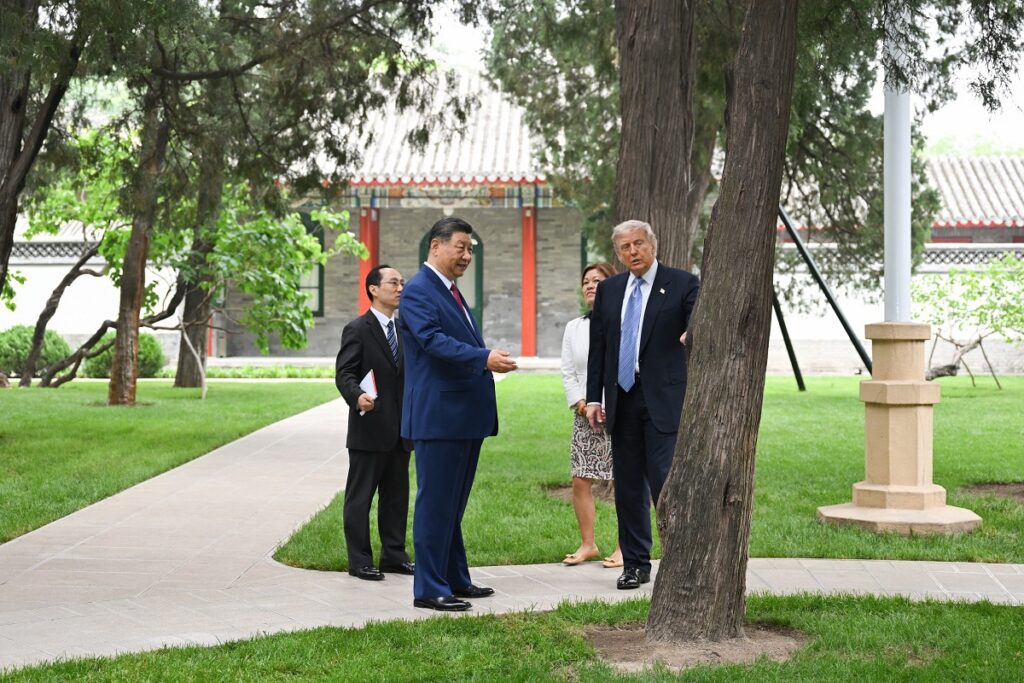
Trump’s 2026 visit to China did more than generate headlines. It also reset expectations for how the two largest economies will work together in the coming decade. In this context, Trump’s China visit, hospitality projects, and related business events are creating new momentum in commercial real estate, hotels, and office environments. For Chinese manufacturers, these developments are not just political signals. They are clear reminders that global buyers are watching how China delivers high-quality, design-led commercial furniture on an international stage.
This article is for export managers, brand directors, and international buyers who want to see how a China hospitality furniture manufacturer can move beyond low-cost production. It explains how brands like Hongye Furniture can build true global competitiveness through design, quality, and project delivery. It also shows how state-level hospitality space design, high-end hotel ballroom furniture solutions, and export-ready collections can help Chinese brands win trust from architects, dealers, and project owners worldwide.
Outline Overview
The first part of this article outlines the new trade and business context created by Trump’s China visit and what it means for global commercial furniture demand. The second part explains how Chinese manufacturers—such as Hongye Furniture / HYSD Furniture—are changing from OEM suppliers into design-led, solution-focused partners. After that, we explore strategies for building export-ready design collections, including regional adaptation, smart standardization, and branding for global audiences. We then highlight key capabilities for international delivery and project execution, such as logistics, engineering support, and after-sales service. Finally, the article looks ahead to Hongye Furniture’s global vision and next steps, including plans to attend NeoCon and visit US clients, as clear signs of a confident, internationally capable commercial furniture brand.
Trump’s China Visit and the New Chapter of China–US Trade
Trump’s 2026 visit marks a fresh chapter in China–US economic relations. Past trade tensions created uncertainty, but renewed high-level dialogue now emphasizes cooperation in investment, services, and high-value manufacturing. For the commercial furniture sector, this shift means US developers, office operators, and hospitality groups are again looking at China as a source of design-driven solutions, not just low-cost products.
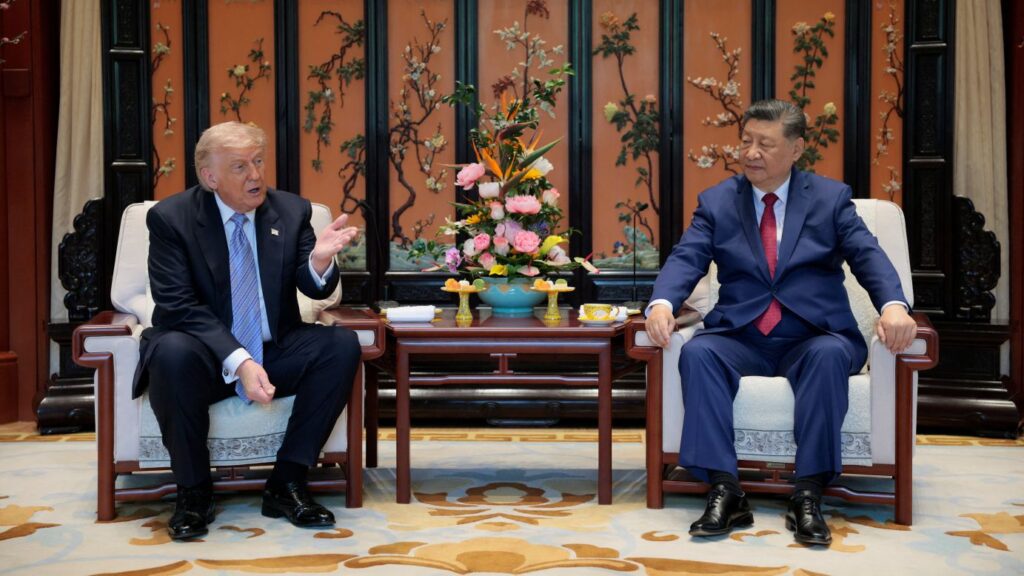
Commercial real estate and hospitality markets in both countries are changing fast. In the United States, many office buildings and hotels are being upgraded to support hybrid work and new travel patterns. In China, new projects continue to rise in key cities to attract global tenants and international events. When these trends meet, Trump’s China visit hospitality projects and related forums send a clear signal: there is strong potential for cooperation where design, quality, and reliable delivery are central.
Global buyers are also becoming more professional and more selective. Price still matters, but they now look closely at standards, lifecycle costs, sustainability, and the ability to support multi-site rollouts. Many clients are willing to invest 10–20% more in furniture if it brings better durability, ergonomics, and design value. Purely cost-driven sourcing is giving way to value-driven partnerships.
In this environment, a China hospitality furniture manufacturer that can supply state-level conference room furniture, high-end hotel ballroom furniture solutions, and premium commercial furniture for government venues gains a clear advantage. Trump’s China visit did not create this trend, but it did highlight and accelerate it. Global buyers are ready to work with Chinese brands that combine competitive pricing with strong design, technical expertise, and reliable project execution.
From OEM to Design-Led – The Transformation of Chinese Commercial Furniture Brands
For many years, Chinese furniture manufacturers focused on OEM production. This model built capacity, cost advantages, and solid manufacturing skills. However, it also pushed many brands into a “low-cost only” image. Today, leading companies are moving beyond that label and using design, branding, and service to build their own global identities.
The End of the “Low-Cost Only” Era
Several long-term factors are driving this shift. Labor and material costs in China have risen steadily, often by 5–8% per year, making pure price competition harder to sustain. At the same time, international buyers have become more demanding. They now expect partners to offer innovation in design, sustainability, and user experience, not just capacity at a low rate.
Depending only on low prices is now risky and unstable. In the project market, many buyers will accept a modest price premium if they can gain better ergonomics, longer product life, or smoother installation. Standards such as BIFMA, ANSI, EN, and ISO are now basic requirements in many tenders, especially for lecture hall and auditorium seating systems and public projects.
Brands that stay in the low-end OEM position face shrinking margins and weak bargaining power. By contrast, companies that invest in premium furniture manufacturing in China, with clear design direction and brand value, have a better chance of building long-term relationships and winning higher-value projects.
Design Power as a New Core Competitiveness
Design is now one of the most effective tools for Chinese commercial furniture brands to stand out. Many leading companies have created in-house design teams and partnered with international designers from Europe, North America, or Japan. This mix helps them develop collections that feel global while still reflecting subtle local culture.
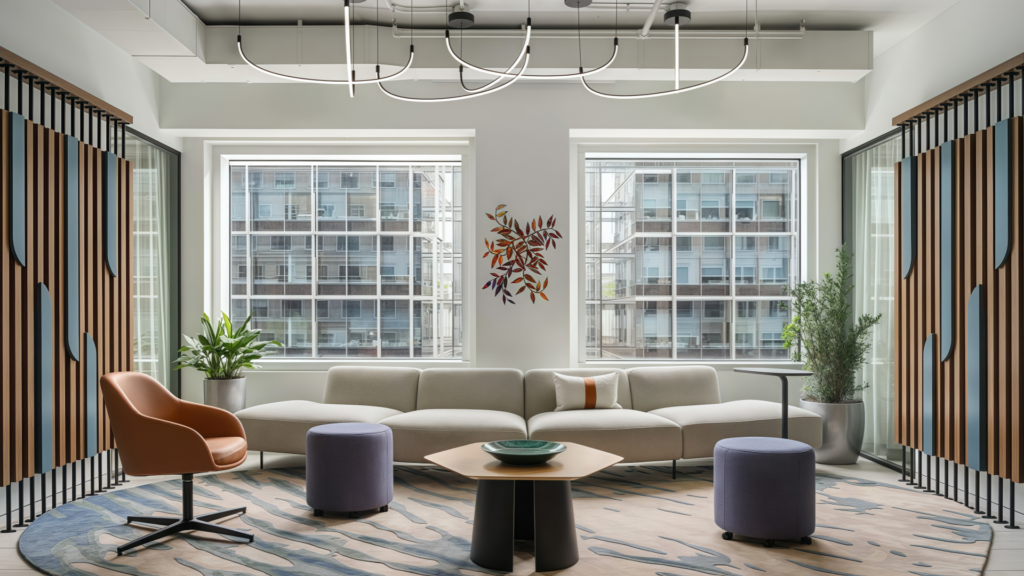
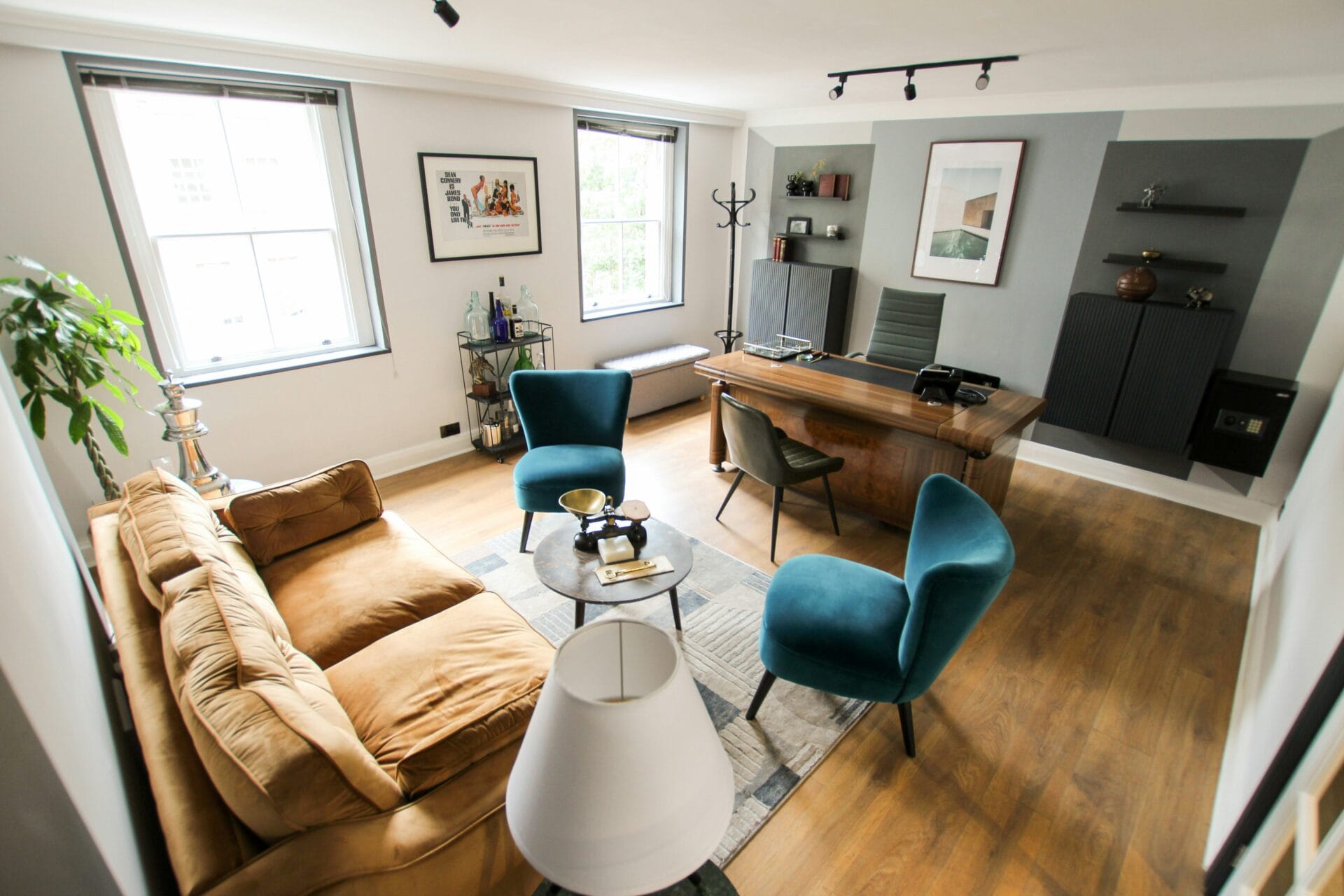
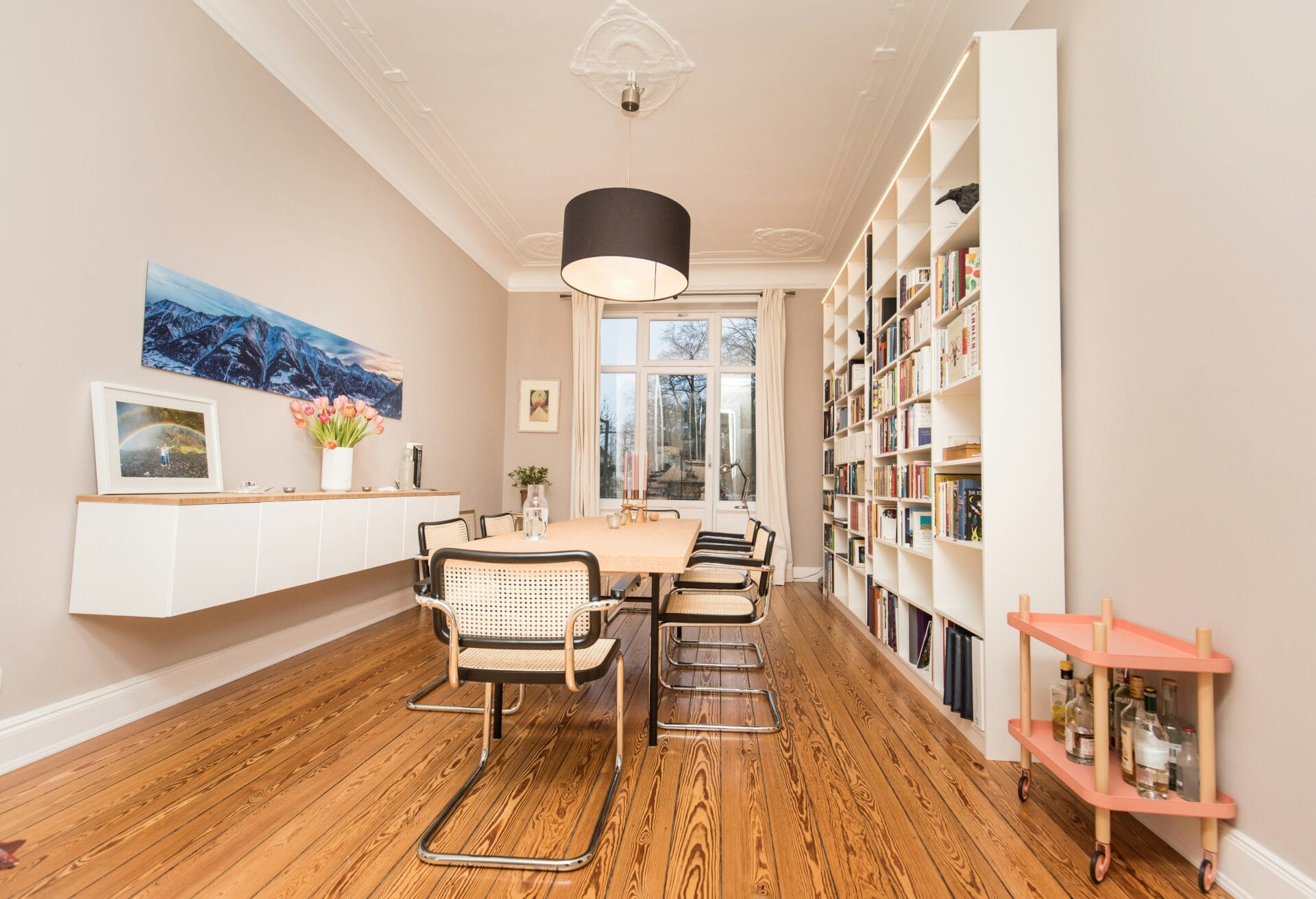
A design-driven China furniture brand can build clear product families for offices, hotels, and public spaces. Office collections might include workstations, storage, meeting tables, and lounge seating with a unified design language. Hospitality ranges can cover hotel seating and VIP reception room custom sofas that match both the building’s and the operator’s brand story. Public space programs can serve waiting areas, transport hubs, and education projects, including lecture hall and auditorium seating systems.
Regional differences also matter. North American buyers often prefer simple lines, durable structures, and neutral colors. Some Middle Eastern markets favor warmer tones and more decorative elements. European clients may pay closer attention to sustainability and compact layouts. By studying these patterns and adapting color, material, and form, brands like Hongye Furniture can position themselves as true partners for international architects and dealers. To support this process, it helps to maintain internal knowledge resources, such as a guide on aligning furniture design with global workspace and hospitality trends (https://www.[my-domain].com/global-furniture-design-guide).
Quality, Standards, and Long-Term Trust
Good design opens the door, but quality and standards keep the relationship going. International clients rely on hard data when they consider long-term cooperation. They want to see that a supplier can meet or exceed BIFMA, ANSI, EN, and ISO requirements and that this performance is consistent from batch to batch.
Typical expectations include proven load-bearing capacity, fatigue tests for moving parts, and surface durability. For example, chairs and tables for high-traffic areas may be expected to serve reliably for 8–10 years. Upholstery and foam should meet local fire regulations. Surface finishes must resist scratches and stains in daily use.
Premium craftsmanship supports safety, longevity, and brand image at the same time. When a buyer sees that a China hospitality furniture manufacturer can deliver high-end hotel ballroom furniture solutions with clean finishing, accurate dimensions, and reliable hardware, it becomes easier to approve repeat orders and multi-year agreements. Brands like Hongye Furniture can then move from one-off orders to strategic partnerships with distributors and project owners.
Building Export-Ready Design Collections for Global Markets
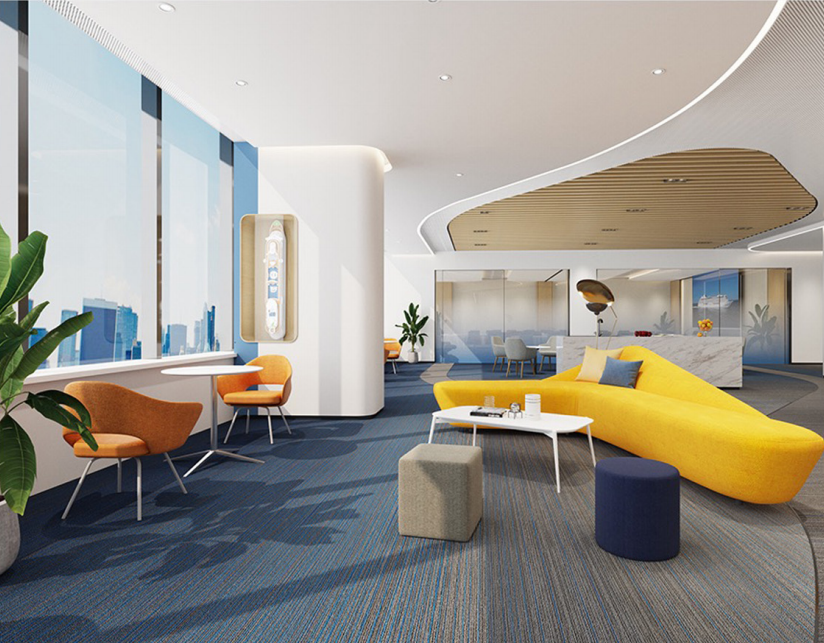
After a brand decides to move beyond OEM work, it must develop collections specifically aimed at export markets. These products must appeal to overseas architects, dealers, and end users while remaining efficient to manufacture and ship.
Understanding Regional Aesthetics and Usage Scenarios
Different areas of the world have different tastes and usage patterns. In North America, office buyers often favor plain, functional lines, matte surfaces, and strong cable management for open-plan designs. European clients may focus more on sustainability labels and flexible layouts. In the Middle East, hotel and public space projects often ask for richer materials and more visual drama.
Climate and culture also influence furniture design. In humid or coastal regions, metal and board materials need extra resistance to corrosion and warping. In education and public projects, lecture hall and auditorium seating systems must be easy to clean and strong enough to handle heavy use. Practical case types include sit-stand office systems, hotel seating ranges that work in both lobbies and guest rooms, and waiting area benches designed for transport hubs and clinics.
A design-led China hospitality furniture manufacturer studies these regional factors and adjusts colors, materials, and configurations accordingly. By doing this, Hongye Furniture can create export-ready collections that feel “local” to international markets instead of generic imports.
Balancing Standardization and Customization
Global customers want both reliability and flexibility. The most resilient export strategies are built around core platforms that allow customization without breaking production efficiency. A single conference table system, for instance, can support different leg styles, top shapes, and cable modules. This layout works for standard offices and for higher-profile spaces that require more refined state-level conference room furniture.
Standardization helps control cost, lead time, and quality. Customization lets dealers and project clients match furniture to brand identity, building design, or special functional needs. A practical approach is to offer a small number of base models in each category and then vary size, color, and accessories. This model suits office systems, hotel seating, and multifunctional meeting room furniture design, where core structures stay fixed but visual details and add-ons change.
By keeping this balance, Hongye Furniture can serve catalog-driven distributors and project-based clients at the same time. It also simplifies stock management and spare parts support. If you want to explain this concept further to readers, you can link to a detailed comparison of standardized versus custom commercial furniture programs (https://www.[my-domain].com/standard-custom-commercial-furniture).
Telling a Design Story – Branding for Global Audiences
In crowded export markets, clear design stories help a brand stand out. Each collection should have a simple narrative that explains its inspiration, target use, and main benefits. This story gives architects and dealers a framework they can pass on to their own clients.
Visual tools play a central role here. Lifestyle photos and well-styled product images show how office systems, hospitality setups, or VIP reception room custom sofas work in real spaces. 3D models and BIM files support planning and coordination. Sample boxes give dealers a way to present finishes and fabrics in person. Bilingual or multilingual content on hysdfurniture.com makes sure that messages are clear for both domestic and overseas readers.
With this combination of design story, visuals, and technical data, Hongye Furniture can present itself not just as a factory in Foshan, but as a credible partner in any global commercial furniture export strategy.
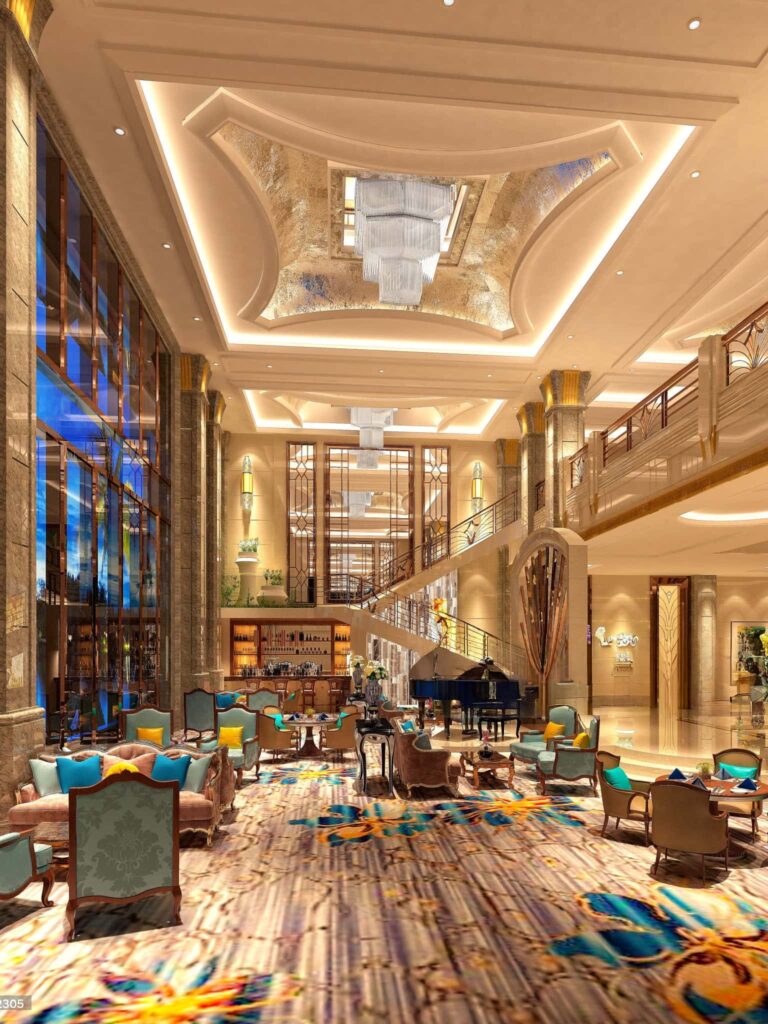
Hotel Furniture
Key Capabilities for International Delivery and Project Execution
Attractive designs and good samples are essential, but they are not enough. To succeed in international projects, a Chinese commercial furniture brand must build strong capabilities in logistics, engineering, project management, and after-sales support.
What Global Clients Expect from a China-Based Partner
International buyers look for several practical capabilities when they choose a China-based partner:
- Export experience: The brand should be able to manage ocean freight, prepare customs documents, and coordinate deliveries at destination ports in major markets such as the US, Canada, and Europe. It should also understand how to pack products safely and how to use container space efficiently.
- Engineering and technical support: Clients expect detailed shop drawings, installation manuals, and the ability to adapt products to local building rules. Premium commercial furniture for government venues may need specific fire ratings, accessibility features, or wiring options, and suppliers must address these needs clearly.
- Project management: Many commercial projects roll out in stages. A reliable partner can manage lead times, partial shipments, and on-site coordination for multi-phase work in hotels, offices, and universities. It aligns production schedules with construction milestones and communicates clearly when changes arise.
- After-sales and warranty: Clear warranty terms and a practical spare parts strategy help build long-term trust. For state-level conference room furniture and high-end hotel ballroom furniture solutions, clients often expect products to last 8–10 years. Fast, honest responses to any issues give overseas partners confidence to propose the brand in future projects.
When a supplier meets these expectations, it stops being a simple vendor and starts acting as a project partner. Hongye Furniture aims to play this role by combining its manufacturing strength with structured processes and transparent communication. For buyers who want to evaluate potential partners, it can be helpful to follow a simple checklist, such as a guide for selecting an international furniture supplier (https://www.[my-domain].com/international-furniture-partner-checklist).
From Foshan to the World – Hongye / HYSD Furniture’s Global Vision
Hongye Furniture illustrates how a Chinese brand can embrace internationalization in a practical way. Located in a strong manufacturing hub such as Foshan in Guangdong, the company benefits from mature supply chains and experienced workers. This environment supports competitive pricing without blocking investment in design and R&D.
As a design-driven China hospitality and commercial furniture manufacturer, Hongye Furniture offers a broad catalog that suits export markets. Its lines include office systems, hotel seating, conference tables, auditorium seating, and public area benches. This range allows the company to support integrated solutions for hotels, offices, public spaces, and education or lecture halls.
The team also has growing experience working with overseas architects, dealers, and project owners. In one case, Hongye might help a North American partner with custom finishes for office workstations. In another, it could support a Middle Eastern university with lecture hall and auditorium seating systems that match local standards. At the same time, the brand can deliver high-end solutions for hospitality projects inspired by Trump’s China visit, hospitality projects, and similar state-level events.
By aligning design, manufacturing, and service, Hongye Furniture is working to live up to the idea of “From Foshan to the World.” The goal is not just to ship more containers but to build a name that international clients recognize and trust.
Looking Ahead – NeoCon, US Market Visits, and the Next Stage of Global Expansion
Future actions show how serious a brand is about global markets. Hongye Furniture’s plans to attend major trade shows and visit US clients send a strong signal of long-term commitment.
Participating in Global Trade Shows (e.g., NeoCon Chicago)
NeoCon in Chicago is one of the most important events for the office furniture industry. It brings together thousands of designers, dealers, and end users from around the world. When Hongye Furniture presents its office systems and conference room products at an event like this, it can gather direct feedback, test new ideas, and learn more about US market needs.
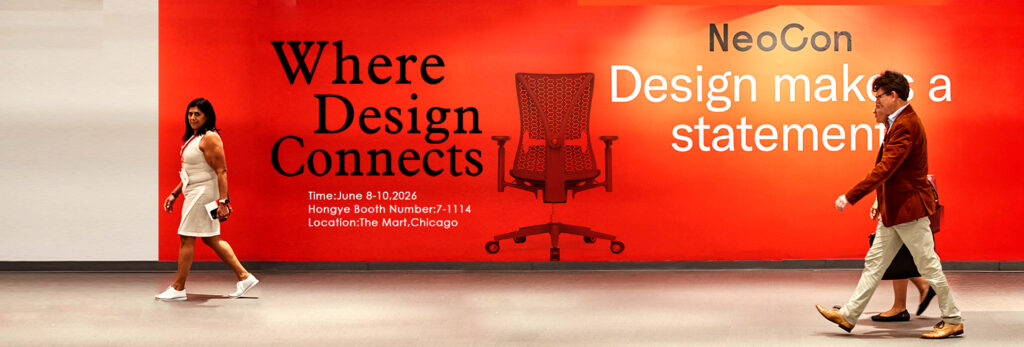
Trade shows also make it easier for buyers to trust what they see. Visitors can touch the surfaces, sit in the chairs, and examine the details of high-end hotel ballroom furniture solutions or state-level conference room furniture. This experience adds weight to digital catalogs and websites.
Design Exchanges and Client Visits in the US
Trade shows are only one part of a global strategy. Design exchanges and project visits in cities such as New York, Chicago, and Los Angeles also matter. When Hongye Furniture’s team walks through a US office, hotel, or campus, they gain a deeper sense of how products perform in real life. They can see how state-level hospitality space design ideas are translated into daily operations and maintenance routines.
Client visits also strengthen personal relationships. Workshops, showroom meetings, and joint review sessions help build trust and create opportunities for pilot projects. Over time, these activities support more stable cooperation and make it easier to plan long-term product roadmaps together with overseas partners.
A Message to Global Clients
All of these moves—design upgrades, export-ready collections, and international visits—send a clear message. Hongye Furniture is serious about being a long-term player in global markets. It wants to support global projects from design to delivery, not just ship one-off orders.
For overseas buyers, designers, and partners, this means they can rely on the brand to stay engaged and continue improving. By following updates on hysdfurniture.com and staying in touch with the team, they can access new collections, news about trade shows such as NeoCon, and case studies that show how Hongye Furniture supports Trump’s China visit hospitality projects–level environments and other high-profile sites.
Conclusion
Trump’s China visit has opened a new chapter in China–US economic cooperation and highlighted sectors where design, quality, and service drive real value. In the commercial furniture field, this moment creates strong opportunities for Chinese brands that are ready to move from low-cost OEM to design-led, premium global offerings. International buyers are now looking at state-level hospitality space design, long-term performance, and the ability to handle complex projects across borders.
Hongye Furniture is one of the brands stepping into this role. As a China hospitality furniture manufacturer, it combines advanced production, strong design capabilities, and growing export experience to support clients around the world. Its range—from high-end hotel ballroom furniture solutions and VIP reception room custom sofas to lecture hall and auditorium seating systems—shows how a single partner can cover many needs in hospitality, office, and public projects.
If you are planning a new hotel, office, or public space project or upgrading existing venues to meet higher international standards, consider working with Hongye Furniture. You can request a quotation, ask for design support, or explore a catalog of export-ready collections tailored to global markets. Partnering with an industry leader that values compliance, sustainability, and long-term relationships will help you navigate the new era of China–US cooperation with confidence and create spaces ready to welcome guests from around the world.