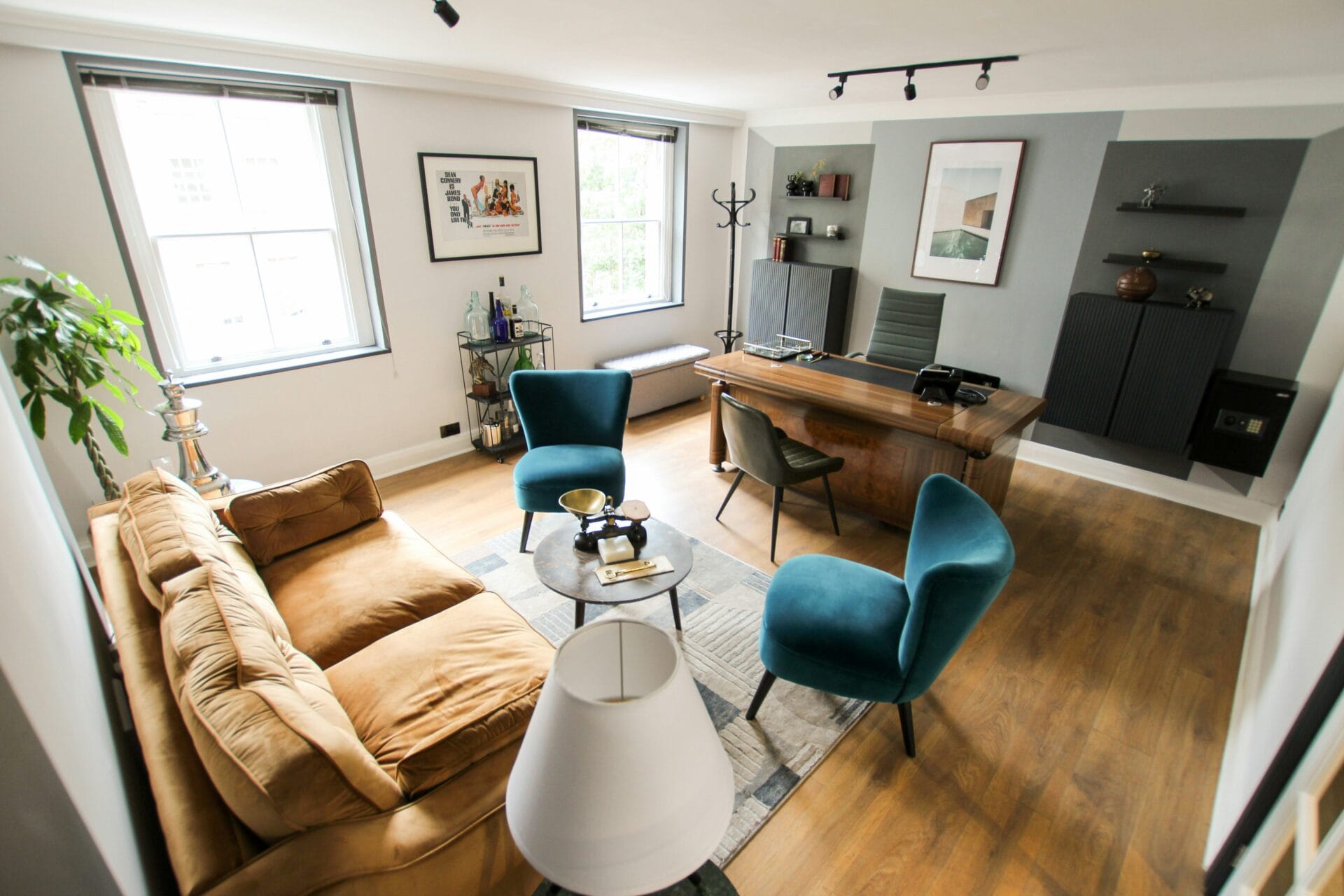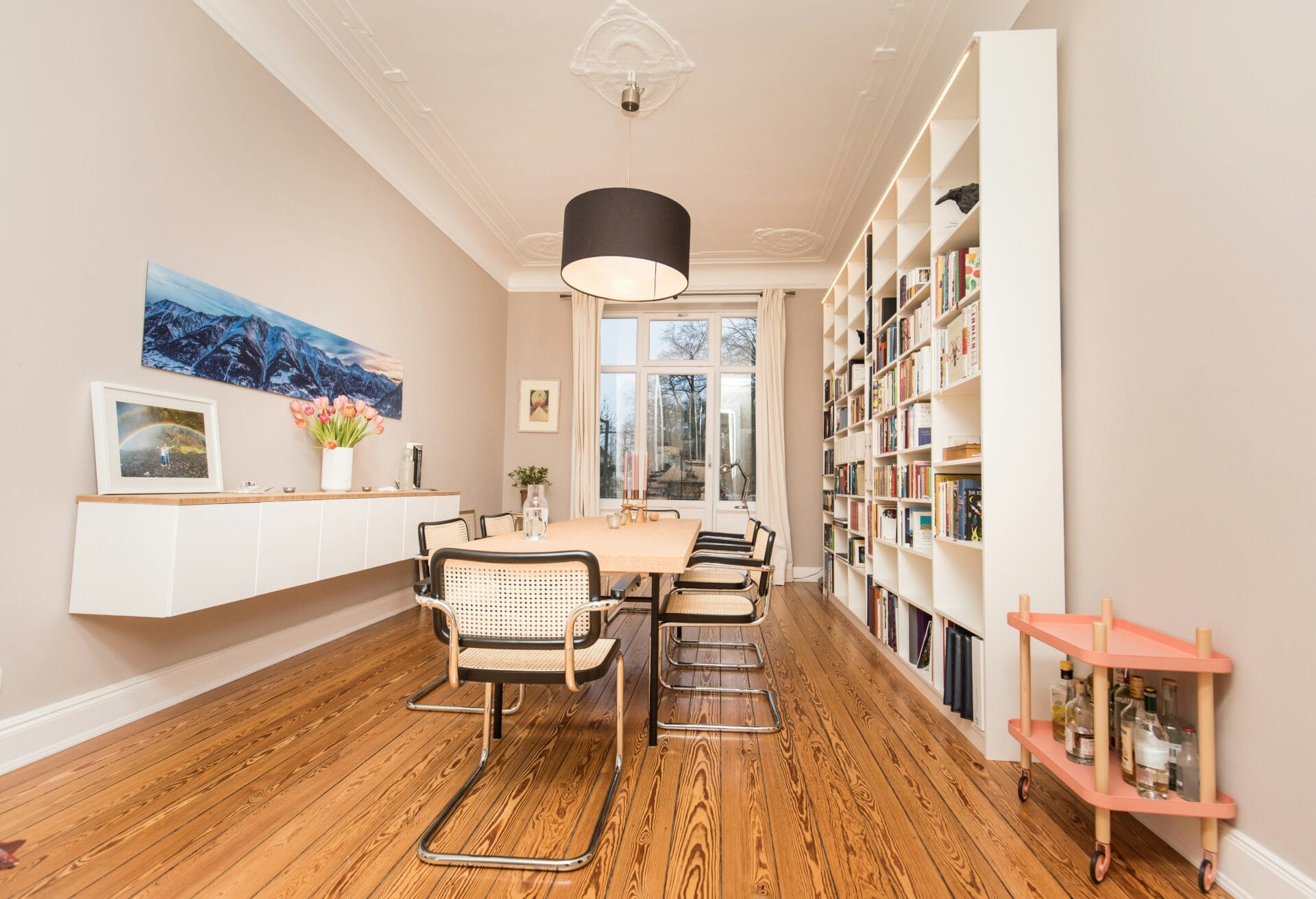
FF&E (Furniture, Fixtures & Equipment) procurement is where many hotel projects end up blowing their budgets. A familiar pattern looks like this: a 300‑room hotel allocates ¥12,000,000 for FF&E, and by Month 14 of a 16‑month project they have already spent ¥11,200,000, with 40 rooms still unfurnished. In other words, the original FF&E budget was not the real problem; the risk controls were.
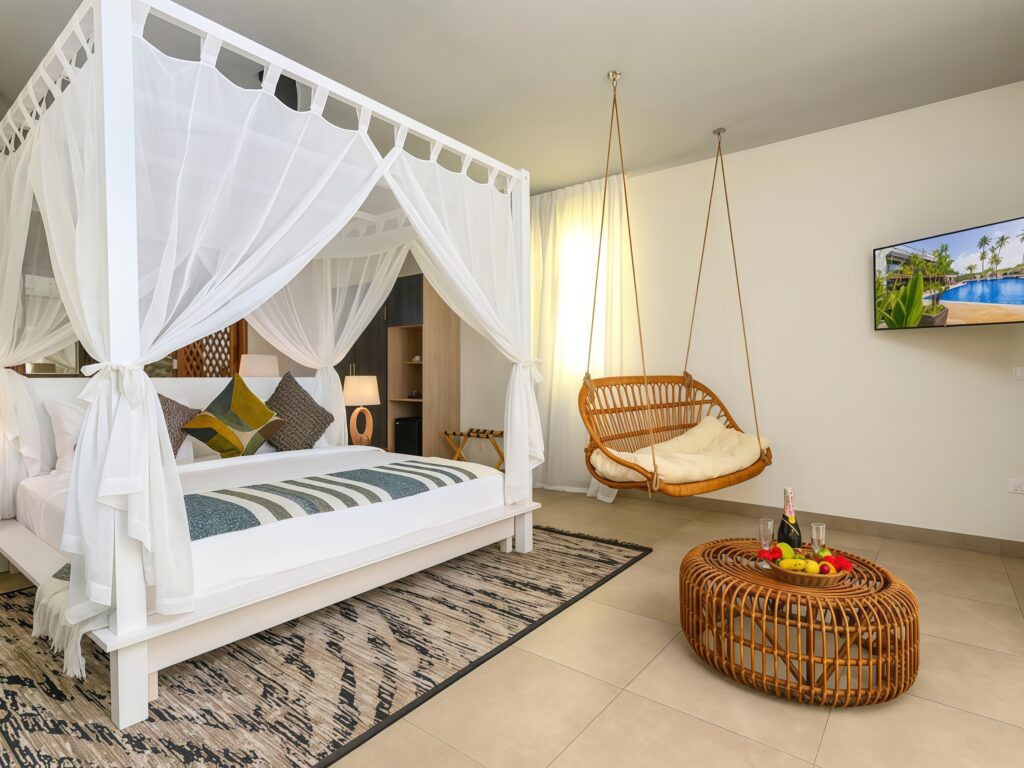
Across projects in Southeast Asia, the Middle East, and North America, five FF&E procurement risks account for roughly 78% of overruns. These risks are not random. Instead, they repeat because contracts, specifications, and production controls are often weaker than they should be.
This guide explains each of the five key FF&E procurement risks and shows how disciplined manufacturers structure their process to prevent them. It is written for hotel developers, asset managers, and procurement managers who want to keep their FF&E budgets under control rather than relying on luck. For a broader overview of how FF&E procurement from China works end‑to‑end, you can also read our FF&E Procurement China: Hotel Developer Sourcing Guide.
What This FF&E Procurement Risk Guide Covers
Before we dive into the numbers, it helps to see the full picture. This FF&E procurement risk guide covers:
- Why hotel FF&E budgets tend to overrun in the final 2–3 months before opening.
- The five most common FF&E procurement risks and their typical cost impact.
- How Hongye builds contract, production, and logistics controls around those risks.
- A practical FF&E risk checklist you can apply before signing your next contract.
Among these five risks, specification drift and logistics failures usually account for the largest budget impact. Currency exposure and compliance failures follow close behind, especially on cross‑border projects.
Risk 1: Specification Drift (“Just Like the Sample”)
What Happens
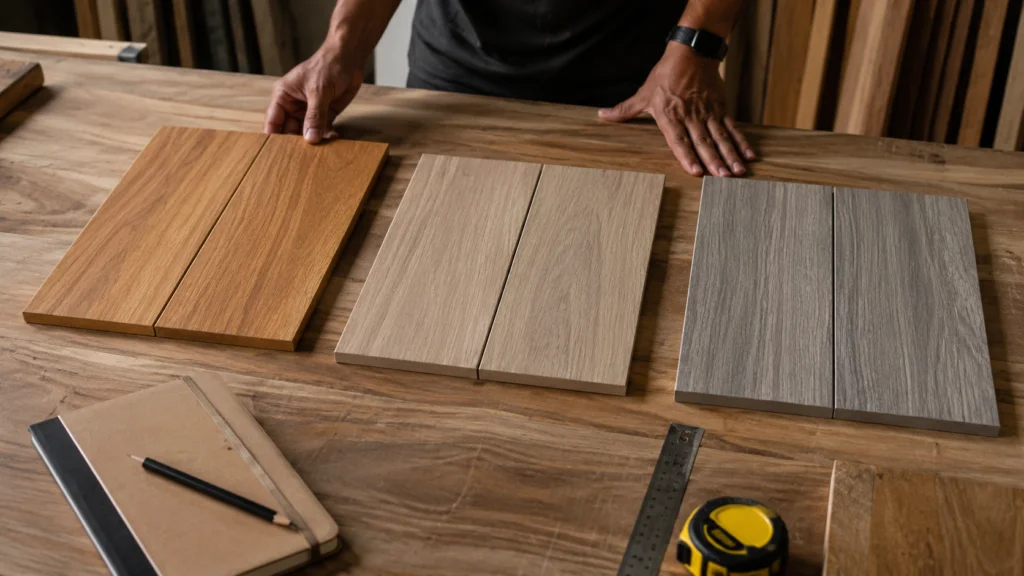
Specification drift occurs when what is produced gradually moves away from what was originally approved. Typically, the hotel sends a prototype for approval, and the manufacturer produces it with grade‑A materials. The prototype passes QC, and everyone signs off. However, once production starts, a purchasing manager substitutes Grade‑A foam with Grade‑B “to meet the price” or to protect their margin.
As a result, the hotel receives 300 chairs that look identical to the prototype but fail structurally or lose comfort within 18 months. Visually, the project appears successful at opening. Financially, the replacement cycle arrives years earlier than planned.
The Numbers
In other words, the long‑term cost of uncontrolled substitution is almost always higher than the short‑term saving:
| Scenario | Initial Budget | Actual Spend | Variance |
|---|---|---|---|
| No spec control | ¥3,500 / chair | ¥5,200 / chair (replacement) | +48% |
| With spec control | ¥3,800 / chair | ¥3,800 / chair | 0% |
How Hongye Prevents Specification Drift
To manage specification drift, Hongye builds controls into both contracts and factory processes:
- Material Substitution Clause
Every purchase order includes a material substitution clause. Any change to foam density, fabric brand, metal gauge, or board thickness requires written approval from the hotel’s project manager. - Pre‑Production Sample Retention
The approved prototype is sealed and stored in the factory’s sample room. Every week, random production units are pulled off the line and compared directly against the retained sample. - Third‑Party In‑Process Inspection
Independent inspectors from SGS or Intertek check production at the 30%, 60%, and 90% stages. Critically, these inspection reports are sent to the hotel or owner’s representative—not only to the factory—so deviations cannot be quietly buried.
Risk 2: Currency & Tariff Exposure (“FOB Shanghai” Trap)
What Happens
In many international hotel projects, currency and tariff exposure creates a hidden FF&E procurement risk. Consider a U.S. hotel that signs a contract in January at ¥7.2 / USD, with furniture scheduled for September delivery. By June, the yuan has appreciated to ¥6.8 / USD. The manufacturer requests a 6% price adjustment. The hotel refuses, pointing to the original quote.
Because margins have evaporated, the manufacturer quietly slows production or prioritises other orders. Eventually, the schedule slips and the opening date moves back by six weeks. The hotel spends more on lost revenue than the value of the currency movement they were trying to resist.
The Numbers
Financially, even small exchange‑rate moves matter on large orders:
| Exchange Rate Movement | Impact on ¥3,500,000 Order |
|---|---|
| ¥7.2 → ¥6.8 (5.6%) | +¥196,000 |
| ¥7.2 → ¥7.6 (5.6%) | −¥196,000 |

How Hongye Mitigates Currency & Tariff Risk
To manage this second FF&E procurement risk, Hongye structures pricing and contracts as follows:
- Price Lock Window
Quotes are valid for 120 days from the purchase order date (not from initial proposal date). This gives both parties a clear planning window and reduces the need for mid‑project renegotiation. - Tariff Engineering
For U.S.‑bound orders, Hongye pre‑classifies furniture under HS codes that minimise Section 301 exposure where legally appropriate (for example, finished vs knock‑down categories that differ by 7.5% in some cases). This does not remove duties but avoids unnecessary tariff risk. - Currency Movement Clause
Contracts specify that currency fluctuations greater than 3% trigger a joint review and negotiation rather than an automatic price change. This encourages structured conversation instead of unilateral demands.
Risk 3: Production Bottlenecks (“On‑Time Delivery” Myth)
What Happens
Operationally, production bottlenecks are the most visible form of FF&E risk. A manufacturer commits to a 45‑day production schedule for 500 beds. At Day 30, they realise their welding team is short three people. To catch up, they subcontract welding to a workshop that has never built a hotel bed frame.
As a result, dimensional tolerance drifts from ±2 mm to ±8 mm. When the beds arrive on site, the installation team cannot assemble them because the threaded inserts do not align. Opening‑week photos show pristine rooms, but behind the scenes the schedule is in chaos.
The Numbers
Production delays translate directly into lost room revenue:
| Delay Scenario | Cost to Hotel (300 rooms) |
|---|---|
| 2‑week delay | ¥840,000 (lost revenue) |
| 4‑week delay | ¥1,680,000 |

How Hongye Prevents Production Bottlenecks
To keep production bottlenecks from becoming schedule disasters, Hongye uses these controls:
- In‑House Capacity Audit
Before accepting an order, the production planning team verifies that welding, upholstery, and packaging each have at least a 20% capacity buffer for the project period. Orders that exceed safe capacity are either rescheduled or declined. - No subcontracting policy for Structural Parts
For structural components such as welded frames and CNC‑cut wood, Hongye does not subcontract. Any outsourcing is limited to non‑critical processes like powder coating of non‑visible parts. - Weekly Production Photos
The hotel’s project manager receives 6–8 dated photos every Friday, showing actual production status. This simple communication habit prevents “black box” production and gives early warning if any process is falling behind.
For a step‑by‑step view of how production fits into the wider schedule, see our Turnkey Furniture Solution: From Empty Shell to Fully Furnished guide.
Risk 4: Quality Compliance Failure (“Test Report” Problem)
What Happens
Quality compliance failures often stay invisible until external inspections. A hotel specifies CAL 133 (California fire standard) for 200 sofas. The manufacturer answers “yes, compliant” but produces the sofas with non‑fire‑retardant foam. The sofas pass visual inspection and are installed.
Six months later, a local fire marshal inspects and finds no CAL 133 label or valid documentation. The hotel is ordered to replace all 200 sofas within 30 days or risk losing its occupancy permit. Alternatively, customs may audit tariff classifications and impose retroactive duties.
The Numbers
Financially, the cost of non‑compliance escalates quickly:
| Compliance Failure | Replacement Cost (200 sofas) |
|---|---|
| No CAL 133 compliance | ¥2,600,000 + ¥400,000 express production |
| Wrong HS code (tariff audit) | ¥600,000 (retroactive tariff) |
How Hongye Prevents Compliance Failures
To reduce this FF&E procurement risk, Hongye aligns test reports, labeling, and documentation with each project:
- Exact‑Model Test Reports
Before production, Hongye sends the test report for the exact model being produced. It is not an older report for a “similar” model, but the current design with the same bill of materials. - Label Verification and Photo Proof
Every fire‑rated piece has a sewn‑in label showing the relevant test report number. Photos of these labels are included in the pre‑shipment inspection report so that the hotel can verify compliance before shipping. - Compliance Documentation Package
With every shipment, Hongye includes a bound documentation folder containing test reports, certificates of origin, and material traceability records. This makes brand audits, customs checks, and fire inspections significantly easier.
Risk 5: Logistics & Installation Failure (“Container Drop” Problem)
What Happens
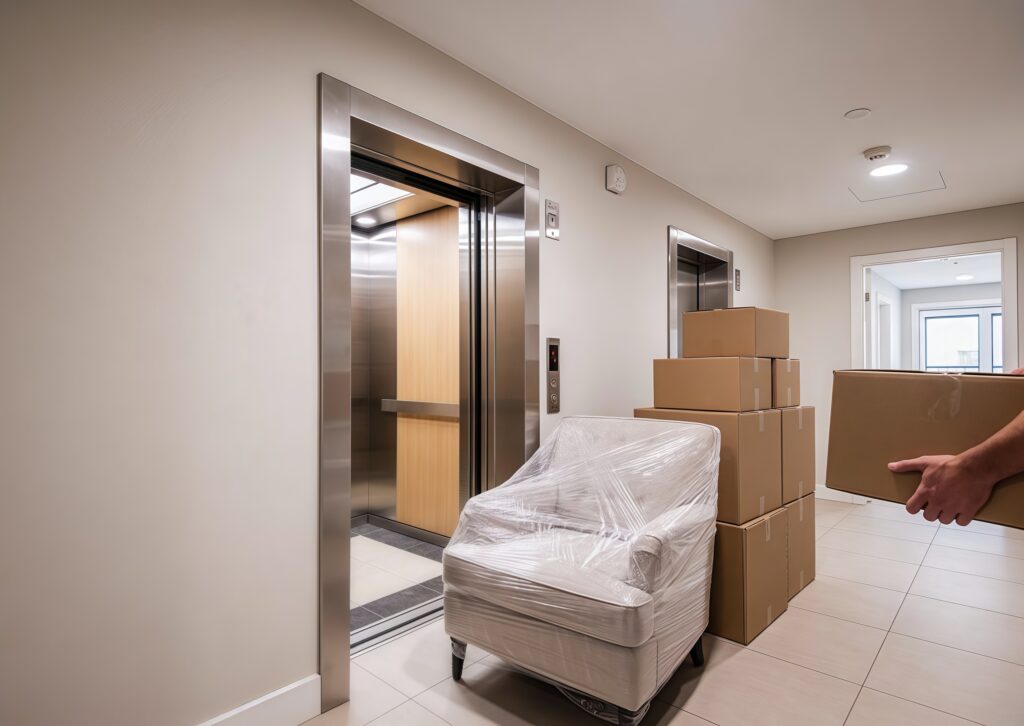
Logistics and installation are often underestimated, yet they can amplify all earlier mistakes. A 300‑room hotel expects 12 containers of furniture. The manufacturer ships them on time, but all 12 containers arrive on the same day. The hotel’s receiving area holds only two containers at a time; the other ten sit at the port terminal for four days.
Demurrage charges reach ¥180,000. Then the installation team discovers that certain items were not designed for the hotel’s service elevators: some pieces are 2 inches too wide. They have to disassemble and re‑pack 60 pieces on site, adding cost and delay.
The Numbers
| Logistics Failure | Cost Impact |
|---|---|
| Demurrage (10 containers × 4 days) | ¥180,000 |
| On‑site disassembly (60 pieces) | ¥75repackabour) |
| Delayed opening (3 days) | ¥1,260,000 (lost revenue) |
How Hongye Prevents Logistics & Installation Failures
To keep logistics and installation under control, Hongye manages both shipping schedules and physical constraints:
- Staged Delivery
Containers are scheduled to arrive at three‑day intervals, aligned with the hotel’s receiving capacity and installation plan. This reduces congestion and demurrage risk. - Elevator Simulation
Before production, Hongye’s engineering team receives the hotel’s service elevator dimensions. They verify that every piece fits when assembled, not just flat‑packed. If an item does not fit, they redesign either the packaging or the assembly method before mass production. - Installation Supervision for Large Orders
For orders above ¥2,000,000, Hongye sends a supervisor to the site for the first 48 hours of installation. The supervisor does not install furniture; instead, they troubleshoot packaging, sequencing, and assembly issues before they cascade into larger problems.
If you prefer a fully managed approach that integrates logistics and installation into one contract, you can also explore our Turnkey Furniture Solution service.
FF&E Procurement Risk Checklist
Finally, before signing an FF&E contract, use this simple checklist to confirm that your supplier and contract address the core risks:
- Material substitution clause in the PO, with free replacement as the penalty.
- Price validity of at least 90 days from purchase order date.
- In‑house production capacity audit and, ideally, a factory visit.
- Compliance test report for the exact production model, not a “similar” one.
- Staged delivery schedule that matches your receiving and storage capacity.
- Elevator dimension check and packaging review before production starts.
- Third‑party inspection scheduled at the 30%, 60%, and 90% production stages.
Although the examples here focus on 200–300 room hotels, the same FF&E procurement risks apply to serviced apartments, student housing, and healthcare facilities. The numbers change, but the failure modes are the same.
For a more comprehensive process view—including timelines, budgets, and sourcing strategies—you can read our FF&E Procurement China: Complete Hotel Developer Sourcing Guide.
FAQ: FF&E Procurement Risks
Q1: How much should I budget for third‑party FF&E inspection?
You should plan on roughly ¥25,000–35,000 per inspection visit from SGS or Intertek in China. For a ¥5,000,000 FF&E order, this represents about 1.5–2.1% of project value—effectively an insurance premium that protects against much larger losses.
Q2: What happens if the manufacturer refuses third‑party inspection?
If a manufacturer refuses to allow independent inspection, you should walk away. A supplier who will not let you verify production quality is almost certainly planning to substitute materials or skip key processes.
Q3: How do I verify that the test report matches the production model?
The test report must show the same model name and, ideally, a photo or drawing that matches your production item. If the report says “Model A” and you are buying “Model B”, similarity is irrelevant; you should insist on a new test for Model B.
Q4: Can I hold 10% of payment until installation is complete?
Yes. It is standard practice in many FF&E contracts to tie payments to milestones, for example: 0% advance, 40% on container loading, 20% on delivery, and 10% after installation completion plus a 30‑day punch list period.
Q5: What is the single most effective FF&E risk mitigation measure?
The single most effective measure is third‑party inspection at the frame stage, before upholstery. Once a chair or sofa is upholstered, you cannot verify welding quality or internal materials. Frame‑stage inspection catches roughly 80% of structural risks in FF&E procurement.