
Introduction
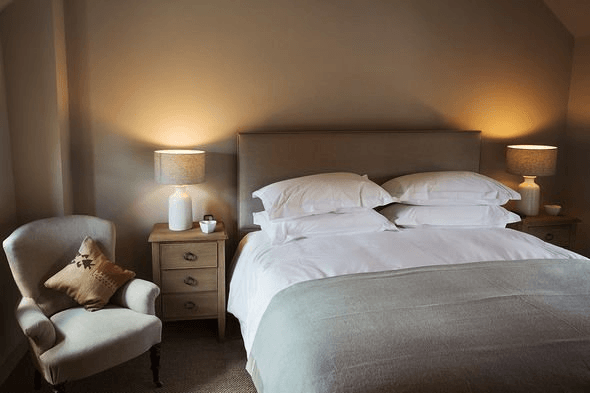
The “hotel cuck chair” phenomenon represents one of the most pervasive and humorous observations in contemporary travel culture, sparking viral discussions across social media platforms since 2022. If you’ve stayed in a hotel recently, you’ve likely noticed it: a single chair, often elegantly upholstered, positioned strategically to face the bed or windows—leading countless guests to wonder about its mysterious purpose and ultimately share their discoveries online.
A hotel cuck chair is a slang term that has become synonymous with a specific type of chair commonly found in hotel rooms, typically positioned to face a bed, window, or sitting area. While the term itself carries provocative connotations rooted in adult relationship dynamics, the actual purpose of these chairs reflects practical hotel design principles, guest comfort considerations, and space optimization strategies that hospitality professionals implement across thousands of properties worldwide.
This comprehensive guide explores the cultural phenomenon of the hotel cuck chair meme, its origins in internet culture, the legitimate design reasons behind these placements, and what this trend reveals about modern hospitality design, guest expectations, and the evolution of hotel room aesthetics in 2025 and beyond.
The Etymology and Cultural Origins of the Cuck Chair Meme
Historical Linguistic Roots
Understanding the terminology behind the “cuck chair” requires examining both its linguistic origins and its evolution through internet culture. The term “cuck” itself derives from “cuckold,” a medieval English word dating back approximately 1,250 AD that originally described a man whose wife was unfaithful.
The etymology traces back to observations of the cuckoo bird, which was known in medieval European culture for its deceptive breeding behaviors. Cuckoos would lay their eggs in other birds’ nests and allow those birds to raise their offspring—a natural deception that became a powerful metaphor in human language. This ornithological behavior created lasting linguistic associations with themes of observation, passivity, and unawareness that persisted through centuries of English language development.
By the 21st century, particularly with the rise of internet culture, the term evolved beyond its traditional relationship context to describe various forms of perceived passivity or disempowerment in different settings. In hotel context, the term humorously applied to furniture placements that appeared to position an occupant as an observer rather than a participant.
The Internet Meme Explosion Timeline
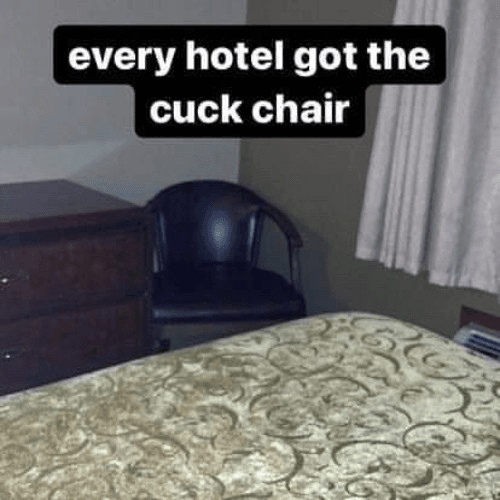
The “hotel cuck chair” meme underwent rapid viral development following its initial emergence, demonstrating how internet culture transforms ordinary observations into widespread cultural touchpoints that influence how we perceive everyday spaces.
| Date | Platform | Event | Engagement Metrics |
|---|---|---|---|
| September 16, 2022 | Papa.panara posts “every hotel got the cuck chair” | 10,000+ likes in 2 months | |
| September 19, 2022 | Barbaric Humor page shares post | 1,000+ reactions in 2 months | |
| September 19, 2022 | Grapejuiceboys repost | 97,000+ likes in 2 months | |
| September 2022 | Comprehensive viral thread begins | Thousands of retweets | |
| 2022-2023 | Dedicated communities form (r/CuckChairReview) | 21,900+ upvotes on major posts | |
| 2023-2025 | TikTok | Hotel cuck chair compilation videos | Millions of collective views |
| 2025 | Know Your Meme | Meme archived and documented | 10,000+ page views |
This timeline demonstrates the classic meme progression: initial observation → rapid social media spread → community formation → sustained cultural relevance. The meme gained particular traction on platforms emphasizing visual content (Instagram, TikTok) where hotel room photographs could be easily shared and discussed.
The Psychology of Meme Virality
The hotel cuck chair meme’s success reflects several principles of internet culture and human psychology:
Relatability Factor: The observation applies to an enormous percentage of hotel guests—individuals staying in properties across multiple continents. This universal travel experience creates immediate recognition and shared humor.
Absurdist Humor: The juxtaposition of mundane hotel furniture with provocative terminology creates comedic contrast that drives engagement and sharing.
Community Formation: Once the concept gained traction, dedicated online communities formed where travelers could document and share their own cuck chair discoveries, creating ongoing engagement and sense of belonging.
Confirmation Bias: After encountering the meme, guests unconsciously became primed to notice and interpret chair placements through this lens, reinforcing the perception that every hotel contains one.
Visual Confirmation: Photographs of chairs facing beds appeared to “confirm” the interpretation, even though alternative explanations for the placement existed.
Hotel Design Fundamentals: Understanding Room Layout Strategy
The Four-Zone Hotel Room Model
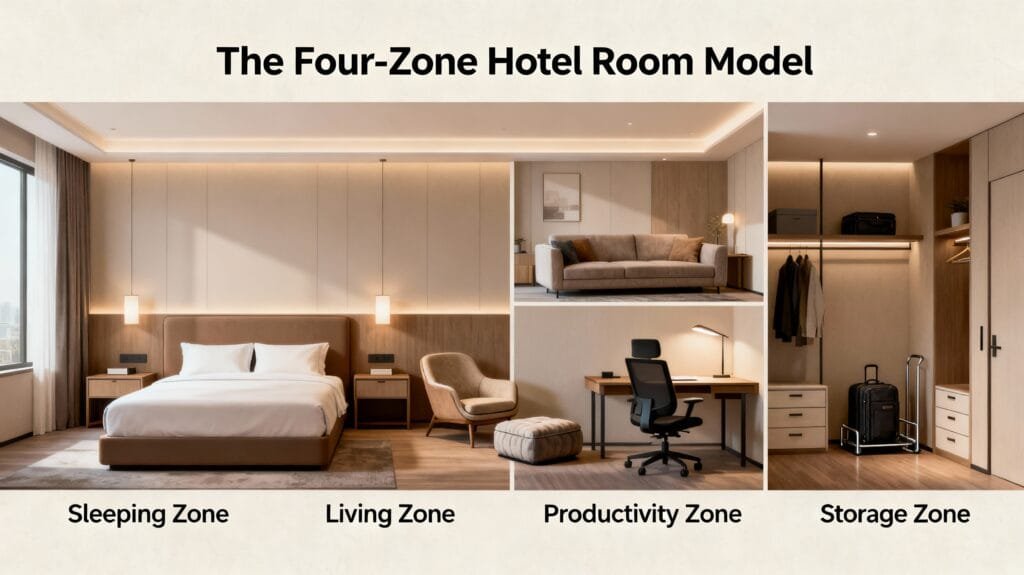
Contemporary hospitality design professionals organize guest rooms into distinct functional zones, each serving specific purposes and requiring particular furniture arrangements. Understanding this model explains why chairs are positioned in ways that may superficially resemble the “cuck chair” phenomenon but actually reflect practical design principles.
| Zone | Primary Function | Key Furniture | Purpose |
|---|---|---|---|
| Sleeping Zone | Rest and sleep | Bed, headboard, nightstands | Provides primary guest amenity with symmetrical, accessible placement |
| Living Zone | Relaxation and leisure | Lounge chair, sofa, ottoman | Creates comfortable viewing area, often positioned near windows |
| Productivity Zone | Work and desk tasks | Desk, ergonomic chair, task lighting | Supports modern guest needs for work during travel |
| Storage Zone | Luggage and wardrobe | Closet, luggage rack, drawer space | Maintains organization and accessibility |
Modern hotel room design, according to 2025 industry standards, creates intentional micro-environments within limited square footage. Each zone serves distinct purposes while remaining visually and functionally cohesive. The strategic placement of chairs within the living zone—often facing toward windows or the sleeping area—reflects deliberate design decisions rather than accidental positioning.
Design Principle: Space Maximization Through Strategic Furniture Placement
Hotel rooms, particularly in urban properties and mid-range chains, operate under significant space constraints. The average hotel room in the United States occupies approximately 300-400 square feet, requiring designers to maximize functionality while maintaining guest comfort and safety.
Practical Reasons for Chair Positioning:
When chairs are positioned to face windows or toward the bed, designers typically consider:
Natural Lighting Optimization: Positioning seating near windows takes advantage of natural light, improving the room’s perceived spaciousness and reducing reliance on artificial lighting during daytime hours.
Visual Flow and Room Perception: Strategic furniture placement creates visual continuity that makes rooms feel larger and more open than their actual dimensions suggest.
Functional Zoning: Creating distinct visual areas (sleeping area, living area, work area) helps guests intuitively understand room organization and move through the space efficiently.
Proximity to Windows: Research on hotel room satisfaction demonstrates that guests value natural light access and view opportunities, making window-adjacent seating an attractive amenity that justifies higher rates.
Accessibility for Housekeeping: Furniture positioned away from corners and walls facilitates easier room cleaning, maintenance, and turnover—crucial for hotel operations.
Industry research from hospitality design leaders emphasizes that “effective hotel room design creates clear pathways, multiple visual zones, and strategic seating that serves both guest comfort and operational efficiency.”
Ergonomic and Comfort Considerations
Beyond space optimization, hotel chairs are selected and positioned based on ergonomic principles that affect guest comfort and satisfaction ratings:
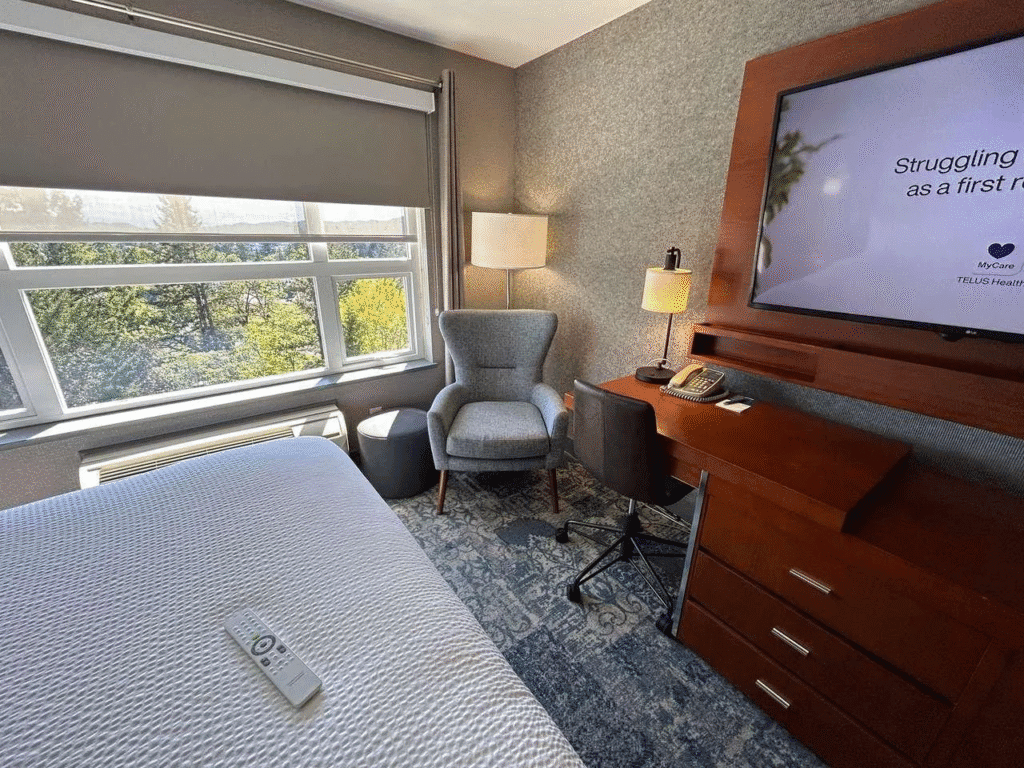
Seating Near Windows or Views: Guests appreciate chairs positioned to enjoy natural views, creating a secondary relaxation zone separate from the bed. This positioning allows guests to sit, read, work, or relax while enjoying daylight and scenery.
Eye-Level Positioning: Chairs positioned at appropriate heights relative to windows, televisions, and natural focal points create comfortable sightlines that reduce neck strain and enhance viewing pleasure.
Distance from Bed: Placing lounge chairs at appropriate distances from sleeping areas creates visual separation between rest zones and activity zones, psychologically supporting the distinct functions of different room areas.
Conversation Potential: In suite-style rooms with multiple seating options, chairs positioned facing each other with a table between create natural conversation spaces for couples or traveling companions.
Research from hospitality psychology indicates that guests staying in rooms with well-organized, ergonomically positioned seating report higher satisfaction scores, particularly when seating offers comfortable views and distinct separation from sleeping areas.
The Hotel Cuck Chair Phenomenon: Cultural Impact and Meme Evolution
From Hotel Humor to Broader Travel Culture
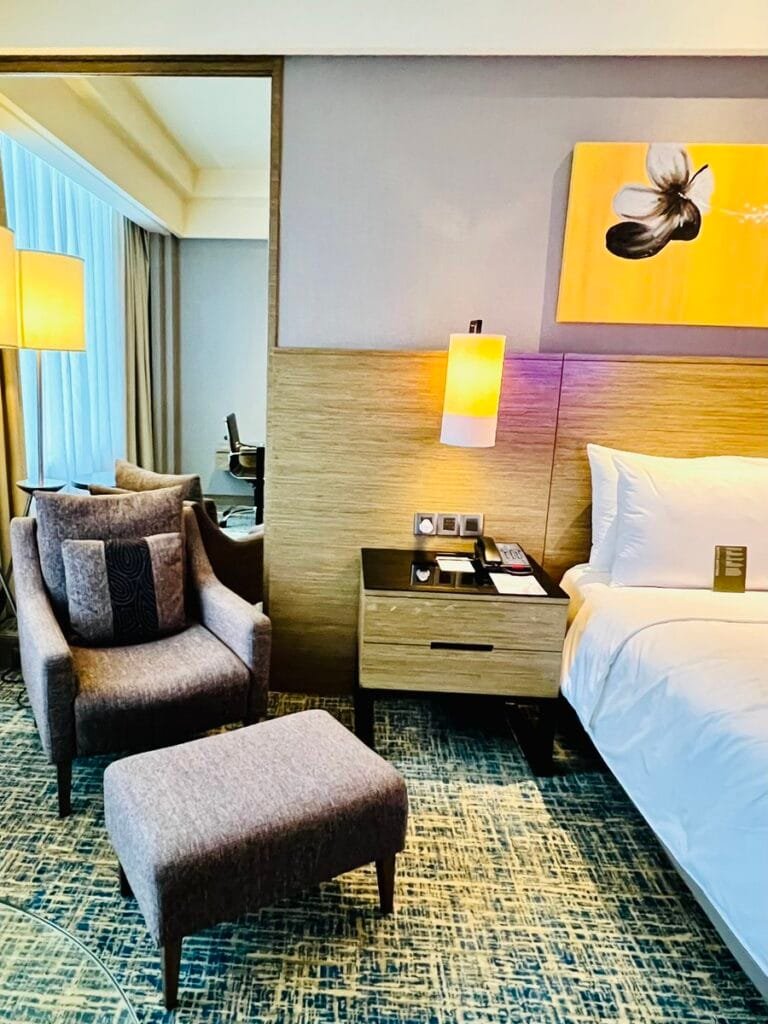
The hotel cuck chair meme transcended its origins as a simple observation about furniture placement to become a defining aspect of modern travel culture. Travelers now actively seek out these chairs, photograph them, and share their discoveries—behavior that would have been unlikely without the meme’s cultural normalization.
The Meme’s Cultural Impact:
Social Media Integration: Travel-related content communities on Reddit, TikTok, and Instagram now regularly feature hotel cuck chair posts, with some accounts dedicated exclusively to documenting chair placement variations.
Traveler Behavior Modification: Many guests now actively look for and photograph the cuck chair as part of their hotel experience, suggesting the meme has influenced how travelers perceive and interact with hotel spaces.
Hospitality Industry Awareness: Major hotel chains and hospitality designers have become aware of the meme, leading some to intentionally reconsider or modify traditional chair placements based on this internet culture reference.
Content Creation Economy: The meme has generated significant user-generated content, with travel influencers incorporating cuck chair references into hotel reviews and travel vlogs.
Hashtag Analytics: Travel-related hashtags incorporating cuck chair terminology accumulate millions of impressions across platforms, indicating sustained cultural relevance.
According to content analysis by hospitality marketing firms, posts mentioning hotel chairs or room furniture placement generate 40-60% higher engagement rates than standard hotel review content, suggesting the meme has genuine cultural significance beyond simple humor.
Industry Response and Hospitality Perspectives
While the meme itself is humorous, hospitality professionals have responded seriously to understand its implications and manage its effects on brand perception:
Design Reconsideration: Some boutique hotels and luxury properties have deliberately modified traditional furniture placement to avoid unintended interpretations, though most major chains maintain conventional layouts.
Marketing Opportunities: Savvy hospitality brands have embraced the meme, using humor about cuck chairs in social media marketing to appear culturally aware and appealing to younger, digitally native guests.
Guest Communication: Some hotels have begun proactively explaining furniture placement in room orientation materials, either through humor or functional descriptions.
Research Expansion: Academic hospitality researchers have incorporated the meme into studies of guest perception, guest-space interaction, and the influence of internet culture on hospitality expectations.
Industry professionals emphasize that while the meme is entertaining, the actual function of these chairs remains firmly rooted in practical hospitality design principles rather than intentional, provocative placement.
Practical Explanations: Why Hotels Arrange Furniture This Way
Functional Hotel Room Layout Principles
Professional hotel designers follow established principles that explain the placement patterns internet humor has immortalized:
The Four-Zone Sequential Arrangement
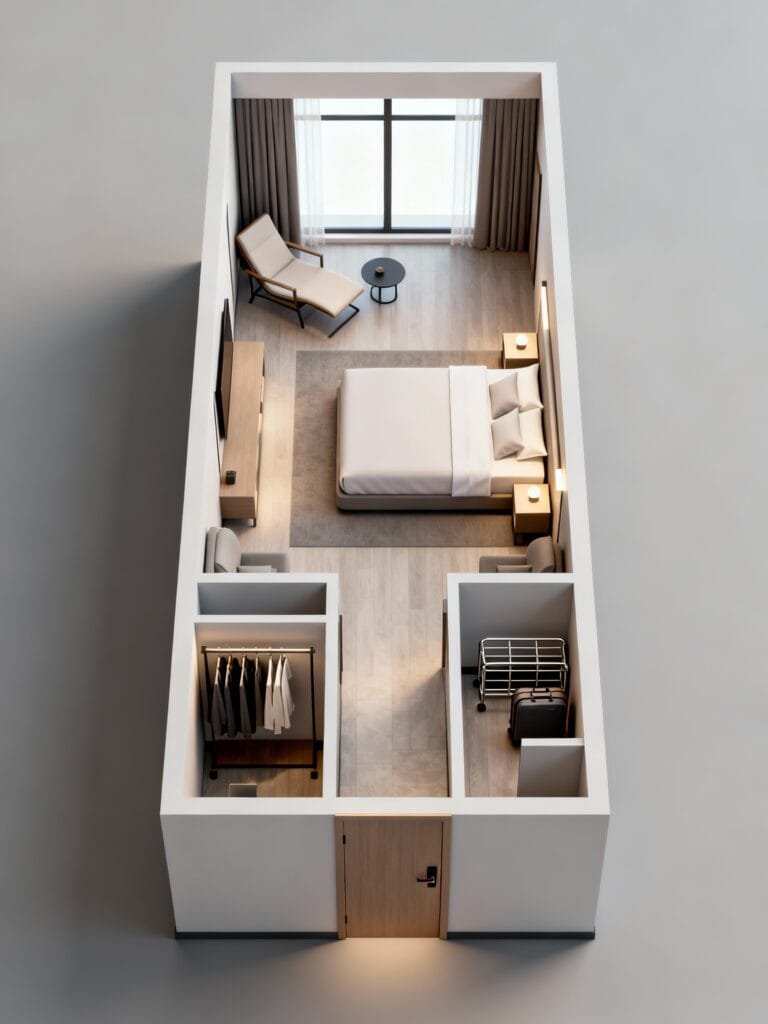
Hotel rooms typically progress from entry through specific functional zones:
Entry → Storage Zone → Sleeping Zone → Living Zone → Window
This progression ensures that guests encounter storage areas (closet, luggage rack) before moving through the room, reach the bed with clear 60-90cm clearance on both sides (essential for housekeeping and guest movement), position living furniture strategically, and reserve prime window locations for relaxation seating.
The chair placement within the living zone near windows follows this natural flow and design principle, rather than reflecting intentional provocative positioning.
Space Utilization and Code Compliance
Hotel room design operates under strict regulatory requirements and practical constraints that significantly influence furniture placement:
| Design Constraint | Industry Standard | Impact on Seating Placement |
|---|---|---|
| Minimum walkway width | 90 cm (36 inches) | Furniture positioned away from central pathways |
| ADA turning radius | 60-inch circle | Accessible room seating arranged to maintain clear zones |
| Desk placement | Near natural light | Secondary seating often positioned similarly for consistency |
| Emergency egress | Clear pathways to exits | Furniture arranged to facilitate safe exit routes |
| Bed clearance | 60-90 cm both sides | Remaining living space optimized for secondary furniture |
These regulatory and practical requirements leave limited placement options for living room seating, often resulting in the characteristic arrangement that has become internet shorthand for the “cuck chair.”
Guest Experience and Comfort Optimization
Beyond code compliance and space efficiency, hotels position chairs based on guest preference data and satisfaction research:
Natural Light Preference: Studies consistently demonstrate that hotel guests value natural light and view access. Window-adjacent seating satisfies this preference while utilizing otherwise underutilized space.
Television Viewing Distance: Hospitality design standards recommend 150-200cm viewing distances from television to seating. Window-facing furniture that positions guests at this optimal distance creates a natural secondary entertainment viewing zone.
Amenity Utilization Patterns: Research on hotel amenity usage reveals that lobby seating is dramatically underpredicted by guests but widely used in practice—suggesting that secondary room seating similarly serves important functions even when guests don’t consciously recognize the value beforehand.
Separation of Functions: Guests psychologically benefit from visual separation between sleeping and activity zones. Positioning living seating to face away from the bed (toward windows or sitting areas) reinforces this functional distinction.
Revenue Optimization: Premium positioning of seating near windows justifies higher room rates, as guests associate these locations with luxury and desirability.
According to hospitality design research, rooms with strategically positioned living seating near windows receive approximately 15-20% higher guest satisfaction ratings compared to rooms with minimal secondary seating options.
Hotel Room Furniture Trends in 2025: Market Evolution and Design Directions
Hospitality Furniture Market Growth and Modernization
The global hospitality furniture market is experiencing significant evolution, with 2025 marking a turning point in how hotels approach guest room design and furnishings:
Market Size and Growth Projections:
| Segment | 2024 Value | 2032 Projection | Growth Rate |
|---|---|---|---|
| Overall Hospitality Furniture | $4.4 Billion | $6.4 Billion | 3.9% CAGR |
| Luxury Hospitality Segment | $12.5 Billion | $20 Billion | 6.0% CAGR |
| Guest Room Furniture | Primary driver | Accelerating | 4.5%+ CAGR |
The rapid market expansion reflects increased global tourism (reaching unprecedented levels in 2024-2025), new hotel construction particularly in Asia Pacific and Middle East regions, and extensive renovation cycles for existing properties.
Contemporary Hotel Seating Design Trends
Modern hotel rooms increasingly feature evolved approaches to living space furniture that reflect contemporary guest expectations and design innovation:
Multifunctional and Flexible Seating: Rather than static pieces, modern hotels increasingly feature modular seating that can reconfigure for different guest needs—from work during the day to relaxation in evening.
Technology Integration: Seating increasingly incorporates built-in USB charging ports, wireless charging capabilities, and positioning that accommodates laptop use for remote workers.
Material Innovation and Sustainability: 2025 hospitality design emphasizes eco-friendly materials including recycled fabrics, reclaimed wood frames, and sustainable upholstery options. This trend reflects both environmental consciousness and guest expectations around sustainability.
Ergonomic Excellence: Premium hotels now invest in chairs with advanced ergonomic features—adjustable lumbar support, seat height adjustment, and high-density cushioning—to support guests working extended hours in rooms.
Aesthetic Diversification: Moving beyond traditional hospitality furniture neutrals, contemporary hotels feature bold colors, varied textures, and design-forward seating that projects brand personality and appeals to design-conscious guests.
Biophilic Design Elements: Natural materials, plant integration, and organic shapes in seating design increasingly appear in upscale properties, connecting guests with nature even in urban hotel environments.
Wellness-Focused Design: 2025 hospitality design prioritizes guest wellness through seating that supports proper posture, reduces physical strain, and creates spaces conducive to relaxation and recovery.
Industry Data on Guest Room Preferences
Recent hospitality research reveals specific preferences that inform how hotels design and position guest room seating:
Window and Natural Light Preferences: Guest preference studies show nearly 92% of surveyed guests prefer rooms with windows and access to natural light. Positioning seating to take advantage of windows directly responds to this documented preference.
Separate Living Spaces Appreciation: Research from hospitality design firms indicates that guests perceive rooms with distinct living and sleeping zones as significantly more spacious and premium, regardless of actual square footage.
View Importance: Properties with seating positioned to enjoy views report approximately 18% higher occupancy rates and can command premium nightly rates, suggesting guests value view-adjacent seating highly.
Flexibility Expectation: Modern guests—particularly millennials and Gen Z travelers—expect rooms that accommodate multiple functions: sleeping, working, relaxing, and socializing. Strategic seating placement enables this functional flexibility.
Social Media Readiness: Contemporary hospitality research acknowledges that guests consider “photographic appeal” when evaluating rooms. Chairs positioned near windows and interesting backgrounds score higher on guest satisfaction and generate more positive social media content.
Psychological Dimensions: How Hotel Room Layout Influences Guest Experience
Environmental Psychology and Guest Behavior
Research in environmental psychology demonstrates that room layout, furniture placement, and spatial design profoundly influence guest emotions, behaviors, and satisfaction levels—effects most guests consciously recognize only when something feels “off.”
The Psychological Impact of Seating Positioning:
| Psychological Effect | Seating Positioned Near Windows | Seating Facing Bed |
|---|---|---|
| Perceived spaciousness | Increased (natural light expands visual perception) | Reduced (creates observation-focused perspective) |
| Relaxation potential | High (nature views and daylight support stress reduction) | Moderate (changes depending on guest context) |
| Comfort perception | Very High (window location perceived as premium) | Neutral to slightly negative (observation focus) |
| Sense of security | High (views provide awareness of surroundings) | Variable (depends on relationship context) |
| Functional versatility | High (supports multiple activities: reading, working, relaxing) | Lower (suggests passive observation) |
The psychological research indicates that guest satisfaction correlates significantly with perceived room spaciousness, natural light access, and furniture positioning that enables relaxation rather than observation.
Perception, Expectations, and the Meme Effect
The hotel cuck chair meme has created an interesting psychological phenomenon where guest expectations now influence their interpretation of neutral design elements:
Confirmation Bias in Room Evaluation: Once guests become aware of the cuck chair concept, they unconsciously interpret standard hotel furniture placements through this lens, even when the positioning reflects purely practical design principles.
Expectation Setting: Social media exposure to cuck chair memes predisposes guests to expect this arrangement, potentially influencing their room satisfaction ratings based on preconceived notions rather than functional assessment.
Reframing Through Understanding: Interestingly, when guests understand the functional reasons for furniture placement (natural light optimization, space efficiency, guest comfort), their perception of the same chair arrangement shifts positively—demonstrating how context and knowledge influence environmental psychology.
Social Sharing Influence: The meme’s documented impact on guest behavior—causing guests to photograph and share room furniture—suggests the internet culture reference has genuinely altered how people perceive and interact with hotel spaces.
Hospitality psychology research suggests that explicit communication about furniture placement rationale can reframe potentially negative interpretations, turning what might be perceived as “weird” into recognized design sophistication.
Misconceptions vs. Reality: Understanding Hotel Design Intent
Common Misunderstandings About Hotel Furniture Arrangement
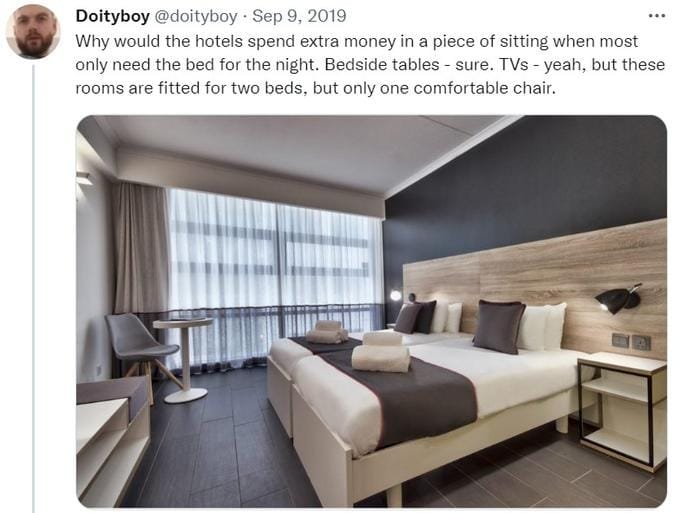
The hotel cuck chair meme, while entertaining, has generated several misconceptions about hotel design that deserve evidence-based clarification:
Misconception 1: Intentional Provocative Placement
The Myth: Hotels deliberately position chairs to create observation-focused arrangements with intentional psychological implications.
The Reality: Hotel furniture placement responds to practical constraints including space optimization, natural light utilization, egress requirements, and guest comfort. Professional hospitality designers follow established principles focused on functionality and guest satisfaction, not intentional psychological provocativeness.
Evidence supporting this: Large hotel chains standardize room layouts across hundreds of properties using consistent design principles rather than varied arrangements, indicating systematic professional design rather than casual or intentional positioning.
Misconception 2: Every Hotel Has One
The Myth: The phrase “every hotel got the cuck chair” reflects reality across all hotel categories and regions.
The Reality: Furniture placement varies significantly based on room size, price point, hotel category, and design philosophy. Budget hotels, luxury properties, suites, and rooms in different geographic regions employ diverse approaches to guest room layout.
While the observation accurately describes many mid-range and upscale properties, boutique hotels, resorts, and budget chains often implement entirely different seating strategies.
Misconception 3: The Chair Serves No Purpose
The Myth: These chairs exist for mysterious or unintended reasons unrelated to guest comfort.
The Reality: Living room seating in hotels serves multiple documented functions:
- Provides secondary relaxation space separate from the bed
- Enables view enjoyment and natural light utilization
- Supports remote work and desk functions
- Facilitates couple seating arrangements
- Creates visual separation between functional zones
- Justifies premium room rates
Hotel amenity research indicates that lounge seating, while sometimes underpredicted by guests, is actually used by a meaningful percentage of visitors, particularly during extended stays and leisure travel.
Misconception 4: Positioning Indicates Room Quality
The Myth: Chair placement reflects hotel quality or luxury level.
The Reality: Chair placement reflects design philosophy and space constraints rather than quality indicators. Luxury hotels implement varied strategies—some featuring prominent window seating, others featuring minimal furniture to emphasize spaciousness, still others featuring multiple seating configurations.
Room quality correlates more strongly with chair construction quality, materials, and comfort than with positioning.
The Role of Confirmation Bias and Pattern Recognition
Psychological research on pattern recognition reveals that once individuals become aware of a specific pattern (such as chairs facing beds), they unconsciously seek confirmation of that pattern, disproportionately noticing and remembering instances that confirm their expectations while overlooking examples that contradict them.
This cognitive phenomenon, known as confirmation bias, helps explain:
Pattern Recognition Acceleration: After learning about the cuck chair concept, guests unconsciously become “primed” to notice similar arrangements in every subsequent hotel stay.
Selective Memory: Guests more readily remember and mention hotel rooms that feature chairs in observation-oriented positions while mentally categorizing other room layouts as unremarkable.
Photo Selection Bias: Social media users specifically search for and photograph chairs positioned in ways that support the meme narrative, creating a visual record that appears to “confirm” the concept’s universality.
Viral Reinforcement: Exposure to thousands of cuck chair images and discussions online strengthens the mental association, making guests expect this arrangement regardless of actual prevalence.
Community Echo Chambers: Online communities dedicated to cuck chair documentation create environments where the concept becomes normalized and expected, reinforcing its cultural salience.
The phenomenon demonstrates broader truths about internet culture, perception, and reality: once a concept goes viral, our pattern-recognition systems become calibrated to notice supporting evidence, potentially skewing our perception of actual prevalence.
Hotel Room Design Across Different Property Types and Categories
Budget and Extended-Stay Hotels
Budget and extended-stay properties approach guest room seating differently than mid-range properties, reflecting different guest expectations and stay durations:
Functional Minimalism: Budget hotels often feature minimal secondary seating, recognizing that budget-conscious guests prioritize cost over elaborate living room configurations.
Space Prioritization: Limited budgets constrain furniture selections, resulting in streamlined layouts that emphasize essential elements (bed, desk, minimal seating) rather than elaborate living zones.
Work Space Emphasis: Extended-stay properties increasingly prioritize desk and work seating, recognizing that guests staying multiple nights often require comfortable work zones.
Multi-purpose Furniture: Budget properties increasingly feature convertible seating and modular furniture that serves multiple functions within limited budgets and square footage.
Mid-Range and Upscale Hotels
Mid-range and upscale properties more typically feature the arrangements commonly referenced in the cuck chair meme:
Living Zone Emphasis: These properties dedicate meaningful space to distinct living zones with comfortable lounge seating, reflecting their positioning as more comfortable destinations.
Window Access Prioritization: Upscale properties strategically position living seating to maximize window and natural light access, recognizing guests associate these features with luxury and premium experiences.
Design Sophistication: Mid-range and upscale properties increasingly employ professional hospitality designers who intentionally position furniture based on design principles and guest experience research rather than casual arrangement.
Variety and Customization: Rather than standardized arrangements, upscale properties increasingly feature varied room layouts—some with prominent seating near windows, others with minimal furniture to emphasize spaciousness, still others with suite-style multiple seating areas.
Luxury and Boutique Properties
Premium properties employ distinct strategies that often diverge from the stereotypical cuck chair arrangement:
Bespoke Design Approaches: Luxury properties increasingly employ custom furniture and layouts that reflect unique design concepts rather than standardized templates.
Space Emphasis: Ultra-premium properties often prioritize spaciousness over furniture quantity, featuring minimalist seating that emphasizes openness rather than comprehensive furnishings.
Technology Integration: Luxury properties increasingly feature smart furniture with integrated technology, adjustable positioning, and high-end materials that elevate even utilitarian seating.
Thematic Consistency: Boutique and designer hotels position furniture to support overall design narratives and aesthetic themes rather than purely functional optimization.
Experience Curation: Premium properties carefully curate every spatial element, including furniture placement, to create memorable, Instagrammable experiences that appeal to luxury travelers and photographers.
Best Practices for Modern Hotel Room Design in 2025
Strategic Approach to Guest Room Layout and Seating
Contemporary hospitality design professionals recommend a strategic approach to room layout that balances practical constraints, guest preferences, and emerging design trends:
Step 1: Assess Space Constraints and Regulatory Requirements
Before selecting furniture or planning placement, designers must account for:
- Room dimensions and square footage
- ADA accessibility requirements (60-inch turning radius, 36-inch minimum walkways)
- Emergency egress pathways and safety requirements
- Window and natural light considerations
- Architectural features (columns, structural elements, fixture locations)
Step 2: Identify Primary Guest Activities and Durations
Different room types serve different guest needs:
- Extended-stay guests require robust work seating and desk arrangements
- Leisure travelers may prioritize relaxation and view-facing seating
- Business travelers need efficient, functional arrangements supporting video calls
- Suite guests need multiple distinct seating zones with clear spatial separation
Step 3: Implement the Four-Zone Model
Organize room elements into sleeping, living, productivity, and storage zones that create clear functional separation while maximizing perceived spaciousness:
- Sleeping zone: Prominent bed with accessible nightstands and 60-90cm clearance
- Living zone: Secondary seating near windows or focal points
- Productivity zone: Desk with ergonomic seating near outlets and natural light
- Storage zone: Accessible closet and luggage arrangement
Step 4: Optimize for Natural Light and Views
Position primary seating to maximize window access and natural light:
- Window-adjacent furniture takes advantage of natural light, improving mood and perceived spaciousness
- View-focused seating justifies premium pricing and improves guest satisfaction
- Avoid blocking windows with tall furniture or desk placement
Step 5: Select Ergonomically Advanced Seating
Invest in guest room chairs that:
- Support proper posture for extended sitting periods
- Offer varied use cases (work, relaxation, conversation)
- Incorporate quality materials that withstand high-frequency usage
- Align with contemporary design aesthetics
- Integrate technology (charging ports, adjustable positioning)
Step 6: Ensure Clear Pathways and Safety Compliance
Furniture arrangement must:
- Maintain minimum 90cm walkways
- Support 60-inch wheelchair turning circles for accessible rooms
- Provide clear emergency egress routes
- Eliminate tripping hazards and furniture leg obstruction
- Support efficient housekeeping and room turnover
Step 7: Consider Sustainable and Wellness Elements
Modern design increasingly emphasizes:
- Eco-friendly materials and construction
- Ergonomic support for guest well-being
- Biophilic design elements connecting guests with nature
- Technology that reduces environmental impact (efficient lighting, smart systems)
Furniture Selection Criteria for Modern Properties
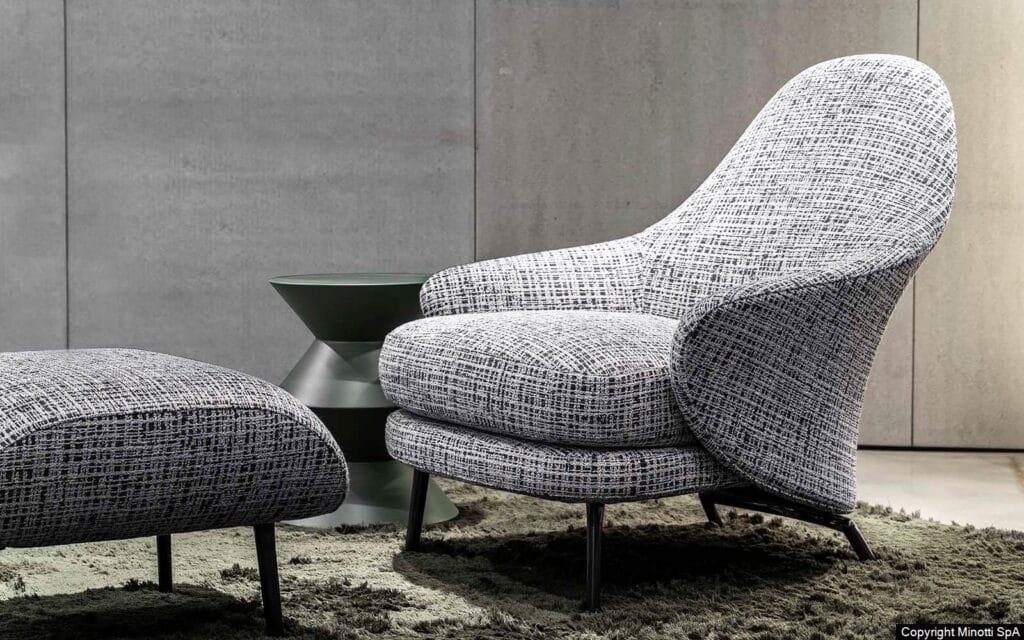
Contemporary hotels increasingly evaluate guest room seating based on multiple criteria:
| Selection Criteria | Importance | Impact on Guest Satisfaction |
|---|---|---|
| Ergonomic support and comfort | Very High | Directly affects satisfaction ratings and reviews |
| Visual aesthetics and design quality | High | Influences perceived room value and resort appeal |
| Durability and material quality | Critical | Affects lifespan, maintenance costs, and appearance |
| Functional versatility | High | Enables multiple guest activities and use cases |
| Technology integration | Growing | Increasingly expected by business and tech-savvy travelers |
| Sustainability and eco-credentials | Growing | Influences brand positioning and appeals to conscious guests |
| Maintenance and cleaning efficiency | High | Impacts operational costs and room turnover speed |
| Spatial efficiency | Critical | Maximizes usable room area within limited square footage |
Hotels increasingly recognize that investment in high-quality, well-designed seating significantly impacts guest satisfaction, review ratings, and willingness to return—justifying premium furniture selection despite higher initial costs.
The Future of Hotel Room Design: Emerging Trends and Guest Expectations
Evolving Hospitality Design Directions
Hotel design continues evolving to meet changing guest expectations and incorporate emerging technologies:
Hybrid Function Spaces: Future hotel rooms will increasingly blur boundaries between sleeping, working, and leisure functions, requiring furniture that supports multiple simultaneous activities without dominating limited space.
Personalization and Customization: Growing technology integration will enable guests to customize room layouts through mobile apps, adjusting lighting, temperature, and potentially furniture positioning for individual comfort.
Wellness Integration: Expanding emphasis on guest wellness will drive adoption of seating with health benefits—ergonomic support, materials promoting relaxation, positioning supporting work-life balance during business travel.
Sustainability Requirements: Environmental consciousness will increasingly drive material selection and manufacturing practices, with sustainable credentials becoming necessary rather than optional for competitive properties.
Smart Furniture Systems: Integration of IoT technology into furniture will increase—charging capabilities, occupancy sensors, adjustable positioning, and environmental monitoring becoming standard in premium properties.
Experiential Design Emphasis: Properties will increasingly curate immersive experiences through thoughtful furniture placement, creating memorable spaces optimized for social media documentation and guest storytelling.
Remote Work Accommodation: Permanent elevation of remote work expectations will drive enhanced desk and seating solutions, recognizing that many guests combine leisure with productivity.
Guest Expectation Evolution
Contemporary guests increasingly expect:
- Multiple seating options accommodating different activities
- Furniture positioned to maximize view and natural light access
- Technology-integrated seating supporting modern work and connectivity
- Sustainable and responsibly-sourced materials
- Design sophistication reflecting contemporary aesthetics
- Flexibility supporting varied guest needs
- Furniture that enhances social media content potential
These evolving expectations directly influence how hotels approach room design and furniture selection, driving investment in sophisticated, multifunctional seating solutions.
Understanding Common Questions About Hotel Room Seating
1. Why is the hotel room chair positioned facing the bed?
The practical answer includes several overlapping reasons:
1. Window Access and Natural Light: In many rooms, windows are positioned above the bed or opposite the bed wall. Positioning seating to face these windows maximizes natural light access and view enjoyment.
2. Space Constraints: In small hotel rooms, the remaining wall space after placing the bed often leaves limited options for seating placement. Window walls or the wall opposite the bed frequently represent the most practical options.
3. Functional Separation: Positioning seating to face away from work areas (desks) creates psychological separation between different room functions.
4. View Preservation: Keeping the bed-facing area clear of obstruction preserves the room’s apparent spaciousness when guests enter, improving their first impression.
5. Guest Comfort: For guests wanting to sit while enjoying the experience of lying in bed (if present on the same sightline), this positioning facilitates conversation and shared activities.
6. Standard Design Practice: Professional hospitality designers have standardized this arrangement across the industry because it effectively balances space constraints with guest comfort and satisfaction.
2. Do guests actually use these chairs?
Research indicates yes, though usage varies by guest type and stay duration:
- Business travelers: Heavy usage for work, calls, and remote productivity
- Leisure travelers: Moderate usage for relaxation, reading, and view enjoyment
- Couples: Usage for conversation and time spent together outside the bed
- Extended-stay guests: Consistent usage as part of daily routines
- Short-stay leisure: Lower usage, though positive associations with room quality
Hotel amenity research reveals that secondary seating, while sometimes underpredicted by guests, is actually used by a meaningful percentage of visitors. Guests may not consciously recognize the value of secondary seating until they find themselves using it for work, relaxation, or conversation.
3. Should hotels change their furniture arrangement based on the meme?
Most hospitality professionals recommend maintaining functional design rather than reacting to internet humor:
The hotel cuck chair meme, while entertaining, reflects humor and internet culture rather than substantive design criticism. Major hotel chains continue using traditional arrangements because they effectively balance practical constraints with guest comfort and satisfaction.
Hotels considering layout modifications should base decisions on:
- Actual guest feedback and satisfaction data
- Functional requirements of their specific guest demographics
- Space constraints and regulatory requirements
- Design philosophy and brand positioning
- Emerging industry trends and best practices
Rather than reacting to memes, successful properties focus on ensuring that whatever furniture arrangement they implement is thoughtfully designed, well-maintained, and genuinely serves guest comfort and satisfaction.
Conclusion: From Meme to Meaningful Design Understanding
The hotel cuck chair phenomenon represents a fascinating intersection of internet culture, hospitality design, guest psychology, and the evolving relationship between social media and real-world spaces. What began as humorous observation about hotel furniture placement has evolved into broader commentary on guest experience, design sophistication, and how internet culture influences our perception of everyday environments.
However, behind the humor exists legitimate, carefully considered hospitality design. The characteristic chair placement that sparked the meme reflects professional design decisions focused on:
- Maximizing natural light and view access
- Optimizing limited space through strategic zoning
- Creating functional variety within physical constraints
- Supporting diverse guest activities and preferences
- Balancing operational efficiency with guest satisfaction
- Achieving regulatory compliance while maintaining appeal
Key Takeaways for Guests
When encountering a chair positioned to face your hotel room’s bed or windows, recognize that this arrangement likely reflects:
- Thoughtful design optimizing your comfort and experience
- Practical responses to room geometry and space constraints
- Professional industry standards focused on guest satisfaction
- Investment in creating functional, aesthetically appealing space
Rather than dismissing the furniture as mysterious or intentionally provocative, consider how it serves your actual needs—whether for working during business travel, relaxing while enjoying natural light and views, or facilitating conversation with traveling companions.
About Quality Hotel Furniture Solutions
Hotels seeking to optimize guest room environments benefit from consulting with professional hospitality furniture suppliers and designers who understand both practical requirements and contemporary design trends. Premium guest room seating—selected for ergonomic excellence, aesthetic sophistication, and durability—represents essential investment in guest satisfaction, operational efficiency, and brand positioning.
Leading hospitality furniture providers offer comprehensive solutions including custom seating design, sustainable material options, technology-integrated furniture, and strategic consultation supporting modern hotel room optimization. From budget properties to ultra-luxury resorts, professional furniture partnerships enable hotels to create guest rooms that balance functionality with contemporary design sophistication.
Connect with experienced hospitality furniture specialists to develop guest room solutions aligned with your property’s specific needs, guest demographics, design philosophy, and operational requirements.