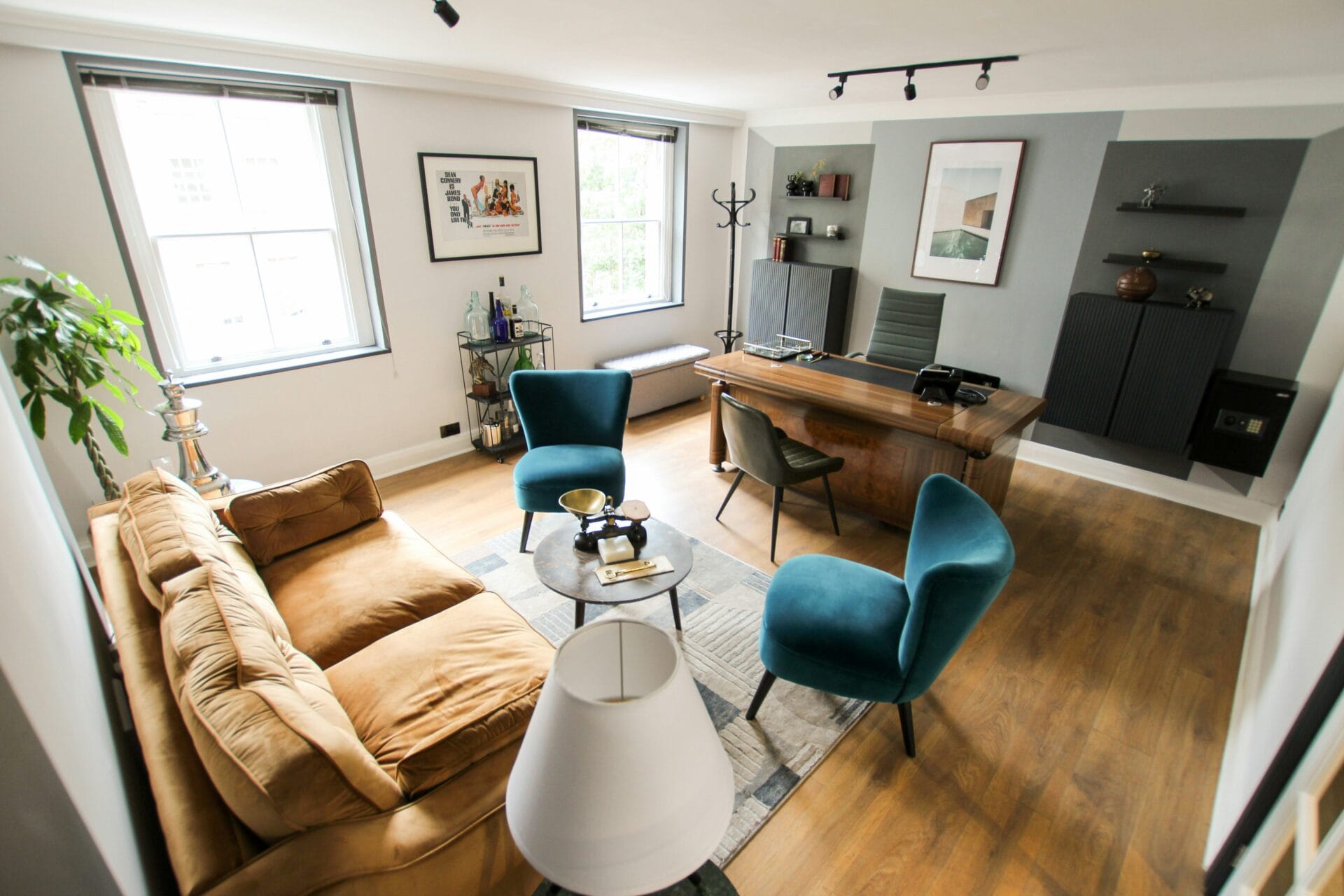
“Contract grade furniture” is a commercial specification term, not a single certification. It generally describes furniture designed for higher-use environments such as hotels, restaurants, offices, healthcare, and education spaces.
To verify a contract-grade claim, hotel buyers should check product-specific evidence for the intended use. This may include structural performance, upholstery durability, fire performance, cleanability, material emissions, repairability, warranty coverage, and maintenance requirements.
The correct specification depends on the furniture type, hotel zone, destination market, and brand standard. A guestroom accent chair, hotel lobby sofa, restaurant banquette, and banquet chair may all require different levels of abrasion resistance, cleaning performance, fire documentation, and structural durability.
This guide explains what contract-grade furniture means, how it differs from residential furniture, and what commercial buyers should verify before ordering.
Key Takeaways
- Contract-grade furniture is not a universal legal label or one certificate. It is a product-level specification for commercial use.
- Buyers should verify the exact product configuration, including frame, fabric, foam, finish, hardware, fire documentation and warranty.
- Upholstery requirements should state the correct test method: Wyzenbeek uses double rubs, while Martindale uses cycles.
- Fire performance depends on the project location, occupancy type, hotel brand requirements and finished upholstery construction.
- ANSI/BIFMA standards apply to specific office and public-seating categories. They do not automatically certify every hotel furniture item.
- Commercial furniture can cost more initially because it may use stronger frames, replaceable parts, commercial finishes and detailed quality control.
- Buyers should compare total lifecycle cost, not only the purchase price.
Quick Answer: What Is Contract Grade Furniture?
Contract grade furniture is furniture specified for repeated commercial use. It commonly appears in hotels, restaurants, offices, schools, hospitals, airports, senior-living communities and other shared environments.
However, buyers should not assume that “contract grade” automatically means the product is durable, fire compliant, low emitting or suitable for every hotel project.
A valid contract-grade claim should answer these questions:
- Can the structure handle the intended use?
- Can the upholstery resist expected wear and cleaning?
- Does the finished product meet project-specific fire requirements?
- Can staff repair, replace or maintain high-wear components?
- Does the supplier provide product-specific documentation?
- Does the warranty match commercial usage?
- Does the product meet the destination market’s requirements? Procurement principle: Treat “contract grade” as the beginning of your verification process, not the end of it.

Contract Grade vs. Residential Furniture
Residential furniture is typically designed for lower-frequency use in private homes. Contract-grade furniture is usually specified for repeated use, cleaning, moving, guest turnover, and higher traffic.
This does not mean every contract-grade product is better than every residential product. Instead, it means commercial buyers should specify performance based on actual operating conditions.
| Requirement Area | Residential Starting Point | Contract-Grade Buyer Focus | Why It Matters |
|---|---|---|---|
| Use intensity | Private, lower-frequency use | Repeated guest, visitor, employee, or diner use | Public spaces experience more handling and turnover |
| Structure | Home-use frame and joinery | Product-specific strength, stability, and durability evidence | Guests may lean, move, drag or misuse furniture |
| Upholstery | Design and comfort focus | Abrasion, seam strength, pilling, cleaning, and fire evidence | High-touch seating needs practical maintenance |
| Surface finish | Household cleaning and occasional repairs | Stain, scratch, moisture, impact, and chemical resistance | Hotels clean and reset furniture frequently |
| Repairability | Often replaced when damaged | Replaceable glides, hardware, cushions, covers, or upholstery panels | Repairs can reduce downtime and replacement cost |
| Documentation | Product marketing and basic warranty | Drawings, BOM, test reports, maintenance guide, and warranty scope | Procurement teams need traceable evidence |
For example, a lobby sofa may face luggage impact, daily cleaning, guest movement, food and beverage spills and repeated use across multiple shifts. Therefore, its requirements should differ from those for a low-use residential sofa.
The Six Elements of Contract Grade Furniture
Contract grade furniture should be evaluated as a complete performance system.
1. Structural Performance
Buyers should verify that frames, legs, joints, bases, connectors and hardware can support the intended commercial use.
Ask for:
- Product drawings and construction details.
- Frame material and joining method.
- Load, stability or fatigue evidence where applicable.
- Hardware specifications.
- Relevant product-category test reports.
- Warranty coverage for structural components.
2. Upholstery Durability and Cleanability
Upholstery should match the location and expected use of the furniture. Buyers should assess abrasion, seam strength, pilling, stain resistance, colourfastness, cleaning compatibility and replacement options.
Ask for:
- Fabric code and supplier.
- Abrasion test method and result.
- Cleaning instructions.
- Seam and backing information.
- Stain-resistant or moisture-resistant finish information.
- Replacement fabric availability.
- Exact fire-performance evidence for the approved upholstery assembly.
3. Fire Performance
Fire-performance requirements vary by country, jurisdiction, hotel brand, insurer, occupancy type and furniture category.
Buyers should request the relevant report for the finished upholstery construction, including approved cover fabric, foam, barrier materials and assembly method.
A generic statement such as “fire-retardant fabric” does not replace a project-specific test report.
4. Surface and Finish Durability
Wood, veneer, laminate, metal and stone surfaces should match the risk profile of the hotel zone.
For example:
- Guestroom desks may require scratch resistance, cable-cut-out sealing and cleaning compatibility.
- Lobby tables may need impact resistance from luggage and housekeeping equipment.
- Restaurant tables may require stain, heat and cleaning-chemical resistance.
- Outdoor furniture may require UV, corrosion and weather-resistance evidence.
5. Repairability and Spare Parts
Commercial furniture should support practical maintenance where possible.
Ask whether the supplier can provide:
- Replacement glides and feet.
- Touch-up kits for wood, veneer, laminate or metal finishes.
- Replacement cushions or upholstery panels.
- Hardware, hinges, drawer slides and fasteners.
- Power modules or charging components.
- Matching fabric, veneer or finish codes for future repairs.
6. Documentation and Warranty
A contract-grade specification should include:
- Product drawings.
- Bill of materials.
- Material and finish schedules.
- Relevant test reports.
- Cleaning and maintenance guidance.
- Spare-part list.
- Warranty by component.
- Production sample approval.
- Inspection and nonconformance process.
Upholstery Testing: Martindale vs Wyzenbeek
One of the most common errors in hotel furniture procurement is mixing Martindale cycles with Wyzenbeek double rubs.
- Wyzenbeek measures abrasion through back-and-forth rubbing and reports results as double rubs.
- Martindale measures abrasion through a different motion and reports results as cycles.
Buyers should not compare the two methods as if the numbers are identical.
Upholstery Planning Ranges
| Intended Use Area | Suggested Starting Point | Additional Buyer Checks |
|---|---|---|
| Low-traffic guestroom accent seating | 15,000 Wyzenbeek double rubs or 20,000 Martindale cycles | Cleanability, colorfastness, and fibre suitability |
| General hotel public-area seating | 30,000 Wyzenbeek double rubs or 40,000 Martindale cycles | Seam strength, pilling, stain resistance and maintenance |
| Coated fabric in high-traffic public areas | 50,000 Wyzenbeek double rubs | Coating durability, cleaning chemicals and cracking resistance |
| Banquet, restaurant or heavy-use seating | Project-specific | Abrasion, cleanability, stacking, frame performance and fire requirements |
ACT guidance uses 15,000 Wyzenbeek double rubs or 20,000 Martindale cycles as a reference for commercial low-traffic or private spaces. It uses 30,000 Wyzenbeek double rubs or 40,000 Martindale cycles as a common reference for high-traffic public spaces. ACT also cautions that higher abrasion figures do not directly predict a fabric’s full service life.
RFQ requirement: State the required test method, threshold and intended furniture zone. Do not simply write “high abrasion fabric.”
Fire Performance: What Hotel Buyers Must Verify
Fire-performance documentation should follow project requirements, not a generic product claim.
| Market or Project Requirement | Possible Evidence | Buyer Check |
|---|---|---|
| U.S. upholstered-furniture requirements | TB 117-2013 or NFPA 260 where applicable | Confirm whether the project requires smolder resistance only or additional public-space fire testing |
| UK hospitality project | BS 5852 where applicable | Match ignition source, fabric, foam and furniture type |
| EU upholstered seating | EN 1021-1/2 where applicable | Confirm cigarette and match-flame scope |
| Brand or PIP requirement | Brand-specific test and documentation package | Follow the written brand standard, not generic market claims |
California TB 117-2013 and NFPA 260 address smolder resistance under defined test conditions. They may be relevant to a project, but they do not automatically satisfy every hotel public-area, assembly-occupancy or local fire requirement.
Before production begins, buyers should confirm:
- Destination country and local authority requirements.
- Hotel brand or franchise standards.
- Insurer requirements.
- Product category and use zone.
- Fabric, foam, barrier and finished-construction test scope.
- Certificate or report validity.
- Supplier responsibility if the finished product does not meet the approved requirement.
Structural Standards by Product Type
Not every commercial furniture product needs the same structural standard.
| Product Type | Potential Structural Evidence | Important Limitation |
|---|---|---|
| Office task chair | ANSI/BIFMA X5.1 where applicable | Does not automatically apply to all hotel seating |
| Lobby or public lounge seating | ANSI/BIFMA X5.4 where applicable | Request model-specific product evidence |
| Office desk or table | ANSI/BIFMA X5.5 where applicable | Not a blanket hotel casegoods standard |
| Office storage | ANSI/BIFMA X5.9 where applicable | Does not cover all hotel wardrobes or nightstands |
| Hotel bed, headboard or casegoods | Project-specific design, material and performance requirements | Must reflect wall fixing, hardware, maintenance and guest use |
| Banquet furniture | Load, stackability, stability and transport requirements | Use project-specific manufacturer data and testing evidence |
| Outdoor furniture | Load, corrosion, UV and weather-resistance evidence | Match climate, coastal exposure and cleaning routine |
ANSI/BIFMA X5.4 applies to indoor public and lounge seating such as waiting, reception, visitor, restaurant, dining and gathering spaces. It can be relevant to hotel-lobby furniture, but buyers should request evidence for the exact product rather than treat it as a blanket hotel certification.
Contract Grade by Hotel Zone
Hotel buyers should specify contract-grade furniture according to each zone’s use intensity.
| Hotel Zone | Typical Risks | Buyer Priorities |
|---|---|---|
| Guestroom | Guest turnover, luggage impact, cleaning and occasional food spills | Durable casegoods, cleanable upholstery, sealed edges and practical repair options |
| Lobby | High traffic, luggage, waiting guests and visual scrutiny | Strong lounge frames, durable upholstery, replaceable glides and stain resistance |
| Restaurant and bar | Food, drinks, cleaning chemicals and frequent movement | Cleanable surfaces, stable tables, high-use seating and suitable fire documentation |
| Banquet and event areas | Stacking, carts, repeated setup and storage | Stack rating, frame strength, glides, cart compatibility and storage planning |
| Meeting rooms | Frequent chair movement, AV use and table reconfiguration | Stable tables, cable management, mobile furniture and durable seating |
| Spa and wellness | Moisture, oils, cleaning and premium guest expectations | Moisture-resistant materials, cleanability and controlled finish selection |
| Outdoor areas | UV, rain, chlorine, salt air and temperature changes | Corrosion resistance, UV protection, drainage and suitable cushion materials |
| Back-of-house | Heavy staff use, cleaning and functional storage | Simple durable construction, repairable hardware and practical finishes |
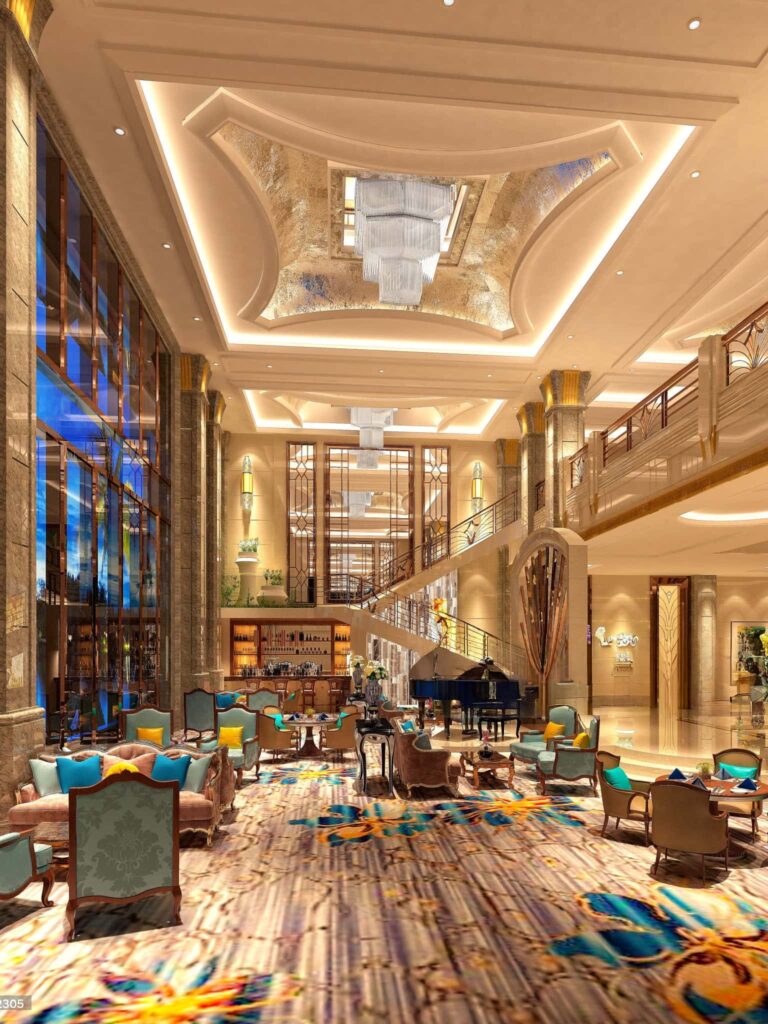
Hotel Furniture
How to Verify a Contract Grade Claim
Buyers should verify a contract-grade claim before issuing a purchase order.
1. Ask the Supplier to Define the Claim
Ask which specific commercial requirements the product meets. Do not accept “contract grade” as a complete answer.
2. Request Drawings and a Bill of Materials
Review the frame, foam, fabric, core, edges, hardware, finishes and power components.
3. Request Product-Specific Test Evidence
Ask for reports that apply to the exact approved configuration. Do not accept a report for a similar chair with different foam, fabric, frame or hardware.
4. Verify Upholstery Performance
Check the test method, abrasion threshold, cleaning guidance, seam construction, colourfastness and fire-performance scope.
5. Review Repairability
Ask whether the supplier can replace cushions, covers, glides, hardware, power modules and upholstery panels.
6. Read the Warranty by Component
Separate frame, foam, fabric, finish, hardware and labour coverage. Confirm whether the warranty applies to hotel or commercial use.
7. Approve a Golden Sample
Use the approved physical sample as the reference for mass production, inspections and defect evaluation.
8. Attach Requirements to the Purchase Order
Attach drawings, BOM, material schedules, performance evidence, inspection rights, AQL requirements and nonconformance remedies to the purchase order.
Verification rule: A supplier’s brochure may use the phrase “contract grade.” Your contract should define exactly what that phrase means for your product, project and market.
Cost and Lifecycle Value
Contract-grade features can increase initial cost because they may include stronger frames, higher-performance upholstery, replaceable parts, commercial finishes, detailed quality control and product-level documentation.
However, the cost premium varies by product, quantity, material, geography, delivery model and warranty scope. Buyers should calculate project-specific lifecycle cost rather than assume a fixed commercial-grade premium.
Use this framework:
Contract Furniture TCO=Purchase Price+Freight+Installation+Cleaning and Maintenance+Repairs+Replacement+Disposal−Residual Value
A lower-priced residential product may be appropriate for a temporary, low-use setting. In contrast, high-use hotel public spaces often benefit from products that support repair, replacement parts, cleanability and long-term maintenance.
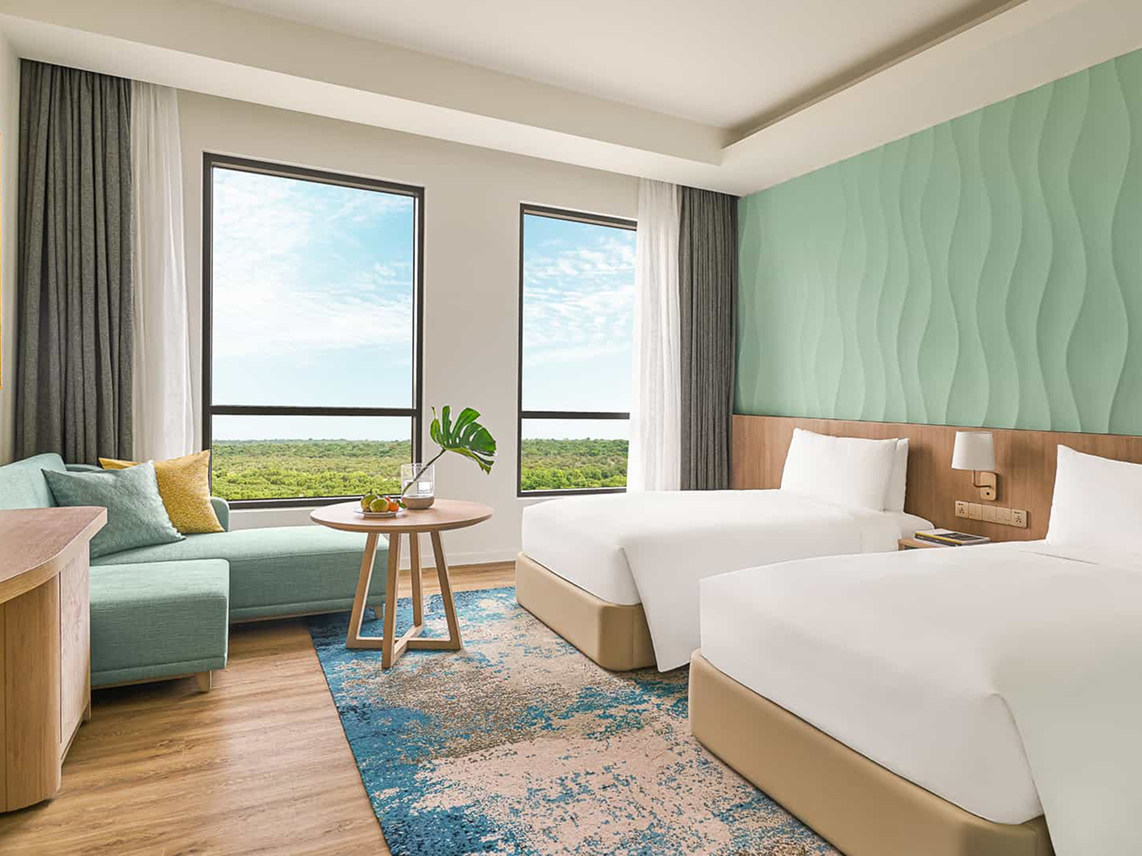
TCO Questions to Ask
- Can staff repair the product instead of replacing it?
- Are glides, fabric panels, cushions and hardware available as spare parts?
- Does the warranty cover commercial hotel use?
- Can the product withstand the required cleaning routine?
- How quickly can the supplier provide replacement parts?
- Will the finish, fabric or hardware remain available for future repairs?
- What packaging protects the product during installation and later relocation?
- What disposal or recycling options exist at the end of life?
Contract Grade Furniture RFQ Checklist
Before issuing a contract-grade furniture RFQ, confirm:
- The hotel zone and intended use are defined.
- Drawings, dimensions and product quantities are complete.
- Frame, core, foam, fabric, finish, hardware and edge details are specified.
- Upholstery test method and abrasion threshold are stated.
- Cleaning, stain resistance and chemical compatibility are defined.
- Fire-performance requirements match the destination market and brand standards.
- Product-specific structural evidence is requested where applicable.
- Material-emissions or wood-traceability requirements are included where required.
- Repairability, spare parts and touch-up materials are listed.
- Warranty coverage is split by component.
- Golden-sample approval is required before mass production.
- Inspection rights, AQL and nonconformance remedies appear in the PO.
- Packaging and installation protection requirements are defined.
- The supplier provides maintenance and cleaning guidance.
How Hongye Supports Contract Grade Furniture Projects
Hongye Furniture Group supports contract-grade furniture projects for hospitality, office, healthcare, and education environments.
For qualified projects, buyers can request:
- Product drawings and approved material schedules.
- Upholstery and finish samples.
- HPL, veneer, solid wood, metal and upholstery options.
- Project-specific structural or material documentation where applicable.
- Repairability and spare-part information.
- Golden-sample and model-room coordination.
- Quality-control and pre-shipment inspection support.
- Warranty and maintenance details.
- Export packing and logistics preparation.
The appropriate contract-grade specification depends on the product’s use zone, expected traffic, cleaning protocol, project standard and destination market.
For a full hotel procurement workflow, read How to Choose a Hotel Furniture Manufacturer: A 2026 Procurement Guide.
Frequently Asked Questions
What is the difference between contract grade and commercial grade furniture?
In many markets, buyers use the terms interchangeably. Neither term represents one universal certification. Both generally describe furniture intended for higher-use commercial settings. Buyers should verify actual product-specific evidence rather than rely on the label alone.
Is contract grade furniture always BIFMA certified?
No. ANSI/BIFMA standards apply to specific product categories, including office seating, desks, storage and some public/lounge seating. A hotel bed, headboard or wardrobe may require different project-specific structural, material and performance requirements.
What upholstery abrasion rating should hotel furniture have?
Specify the test method first. ACT guidance uses 15,000 Wyzenbeek double rubs or 20,000 Martindale cycles for commercial low-traffic use. It uses 30,000 Wyzenbeek double rubs or 40,000 Martindale cycles as a common high-traffic public-space reference.
Does TB 117-2013 make furniture suitable for hotel public areas?
Not automatically. TB 117-2013 addresses smolder resistance under defined test conditions. Hotel buyers must also follow brand, local fire, insurer and occupancy-specific requirements.
Is contract grade furniture worth the added cost?
It can be worthwhile in high-use public spaces, hotels, restaurants and commercial offices. Buyers should compare maintenance, repairability, replacement risk, warranty, downtime and project-specific lifecycle cost—not only the initial purchase price.
How do I verify a contract-grade claim before ordering?
Request product drawings, BOM, material schedules, relevant test reports, cleaning guidance, fire documentation, warranty details and spare-part information. Then approve a golden sample and attach the requirements to the purchase order.
Contract Grade Means Verified Performance
Contract grade furniture should not mean “more expensive furniture with a commercial label.” It should mean that the product has a documented specification appropriate for its intended environment.
For hotel buyers, that means checking structure, upholstery, fire performance, finishes, repairability, maintenance and warranty at the product level.
When the RFQ, approved sample, test evidence and purchase order all match, contract grade becomes a useful procurement standard rather than a vague marketing claim.