
Introduction
Love hotel design represents one of the most creatively unrestrained and psychologically sophisticated expressions of hospitality architecture in the contemporary world. While the term “love hotel” may initially evoke curiosity or humor, the reality encompasses sophisticated interior design principles, advanced psychology, cultural understanding, and innovative architecture that continues to evolve dramatically in 2025.
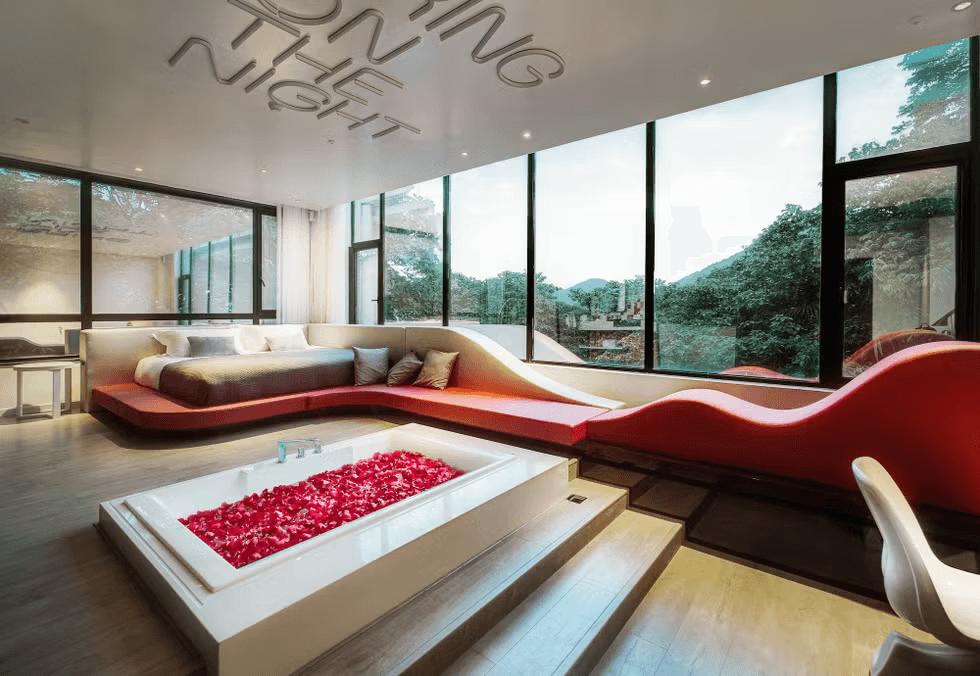
A love hotel is a specialized short-stay accommodation designed to provide privacy and intimacy for couples, characterized by distinctive design philosophies that prioritize guest comfort, aesthetic fantasy, and functional sophistication. The term, predominantly associated with Japan where an estimated 4,720-10,000+ love hotels operate across the country, has expanded as a concept to other Asian markets and Western cities seeking to cater to the demand for private, romantic, and experiential overnight stays.
This comprehensive guide explores the psychology, design principles, market trends, themed approaches, and functional innovations that define modern love hotel design in 2025 and beyond—revealing how these spaces represent far more than their cultural stereotypes suggest.
The Etymology and Cultural Origins of Love Hotels
Historical Development and Linguistic Context
The concept of love hotels emerged from practical necessity rather than novelty seeking. In mid-20th century Japan, rapid urbanization and the persistence of multi-generational household structures created a genuine privacy crisis for young couples. Traditional family homes offered minimal privacy, with paper-thin walls and shared living spaces making intimate moments difficult. This cultural and architectural gap created opportunity for developers to create specialized spaces addressing this unmet need.
The term “love hotel” (or “rabuho” in Japanese) differs semantically from Western “motel” terminology. Where motels served truckers, travelers, and business people throughout North America, Japanese developers discovered their primary clientele were young couples seeking private spaces. This demographic reality fundamentally shaped design evolution—rather than functional minimalism, designers began experimenting with aesthetics, themes, and comfort elements that transformed practical spaces into experiential destinations.
Timeline of Love Hotel Cultural Evolution
| Period | Cultural Context | Design Philosophy | Innovation Focus |
|---|---|---|---|
| 1960s | Urban privacy crisis | Functional privacy solutions | Basic room comfort |
| 1970s-1980s | Peak creativity era | Theme and fantasy emphasis | Mechanical innovations, shaped beds |
| 1990s-2000s | Mainstream acceptance | Aesthetic sophistication | High-tech amenities, luxury integration |
| 2010s | Digital integration | Experience curation | Smart controls, multimedia |
| 2020-2025 | Wellness and authenticity | Holistic experience design | Sustainability, inclusive design |
This evolution demonstrates that love hotels transformed from functional necessity to sophisticated cultural institutions reflecting contemporary values around intimacy, creativity, creativity, and privacy.
The Showa Era Peak: Golden Age of Creativity
The 1970s and 1980s, known as the Showa Era, represented the golden age of love hotel design innovation. During this period, designers pushed creative boundaries with unprecedented freedom, creating rooms that transcended typical hospitality design conventions.
Defining Characteristics of Showa-Era Design:
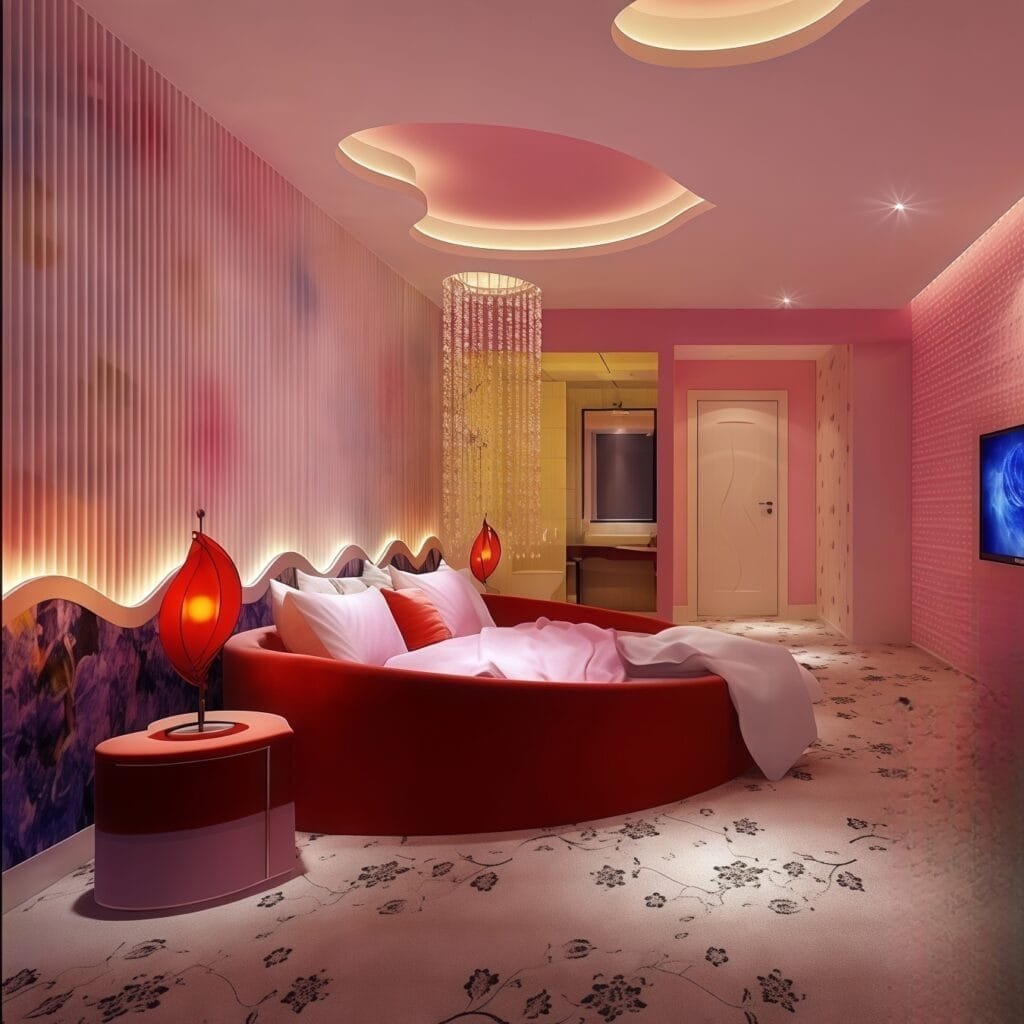
- Round and Uniquely Shaped Beds: Traditional rectangular beds were abandoned in favor of circular, heart-shaped, and sculptural bed designs featuring mechanical elements
- Mechanical Innovation: Moving parts, rotating beds, and interactive elements became distinguishing features
- Theatrical Ambiance: Room designs incorporated props, themed elements, and immersive environmental design
- Unapologetic Ornamentation: Rather than minimalist restraint, designers embraced elaborate decoration and visual storytelling
- Distinctive Architecture: Distinctive exterior facades became attention-grabbing landmarks in entertainment districts
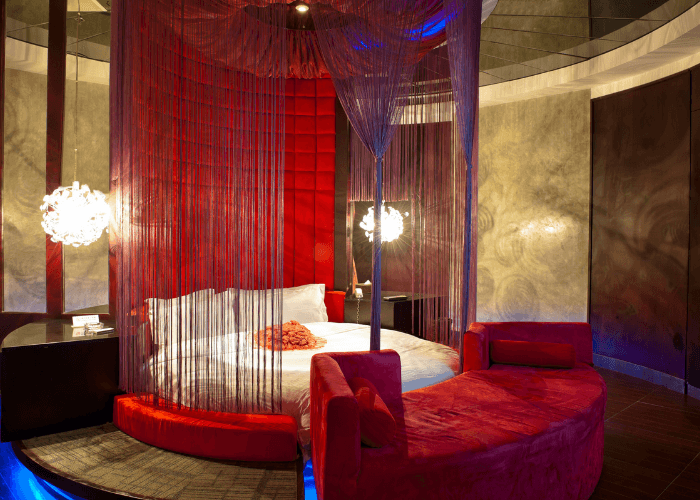
Designer Chinatsu Onitsuka, a contemporary “love hotel researcher,” documents that Showa-era rooms never duplicated—each featured unique bed configurations, decor elements, and thematic approaches. One celebrated example featured a Disneyland merry-go-round aesthetic, complete with Mickey Mouse graphics, circular lighting mimicking carousel trunks, and actual mechanical spinning horses on either side of the bed.
This era established love hotels as legitimate design spaces where creativity, fantasy, and technical innovation converged without apologetic restraint.
Love Hotel Design Fundamentals: Psychology and Functional Principles
Environmental Psychology and Intimate Space Design
Modern love hotel design incorporates sophisticated understanding of environmental psychology—the study of how physical spaces influence emotional states, behavioral patterns, and relational dynamics. Unlike standard hospitality design focused on individual comfort, love hotel design must address complex psychological dimensions of shared intimate space.
Key Psychological Principles in Love Hotel Design:
| Psychological Principle | Design Application | Emotional Impact |
|---|---|---|
| Privacy and Enclosure | Soundproofing, enclosed/themed spaces, visual barriers | Sense of safety and exclusivity |
| Sensory Immersion | Thematic elements, lighting design, texture integration | Mood elevation and fantasy engagement |
| Autonomy and Control | Smart room controls, customizable ambiance, choice options | Empowerment and personalization |
| Novelty and Escapism | Themed environments, non-standard design elements | Break from routine, adventure stimulation |
| Romance and Intimacy | Color psychology, lighting warmth, spatial proximity design | Emotional connection and attraction |
| Comfort and Accessibility | Ergonomic design, accessible amenities, flexible furniture | Physical ease and confidence |
Research in environmental psychology demonstrates that color choices, lighting design, spatial arrangement, and thematic consistency directly influence guest emotional states, relational satisfaction, and duration of stay.
The Role of Color Psychology in Love Hotel Design
Color psychology represents one of the most sophisticated tools in love hotel design, with specific hues selected to evoke precise emotional responses:
Warm Color Applications:
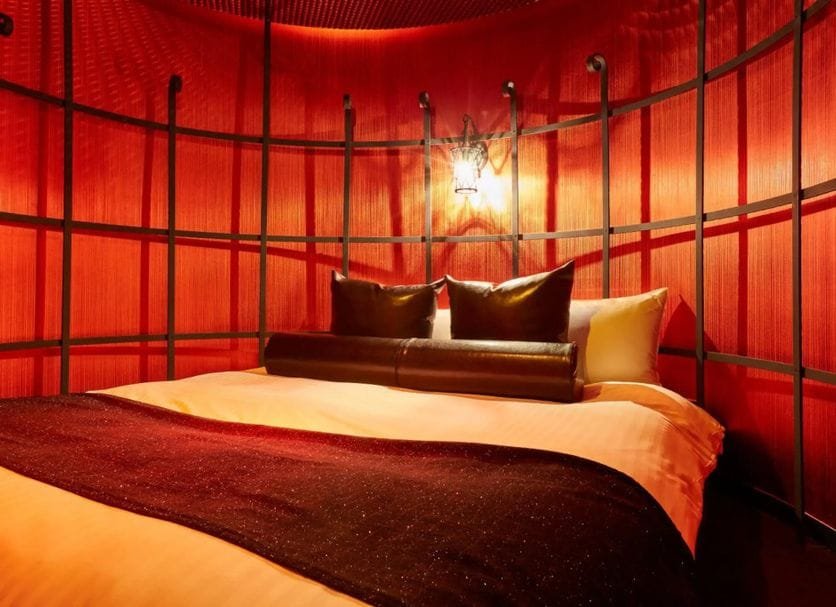
- Red and Deep Burgundy: Associated with passion, intimacy, and energy; used strategically in accent walls, upholstery, and lighting
- Rose Gold and Warm Gold: Signal luxury, romance, and warmth; frequently featured in lighting fixtures and decorative elements
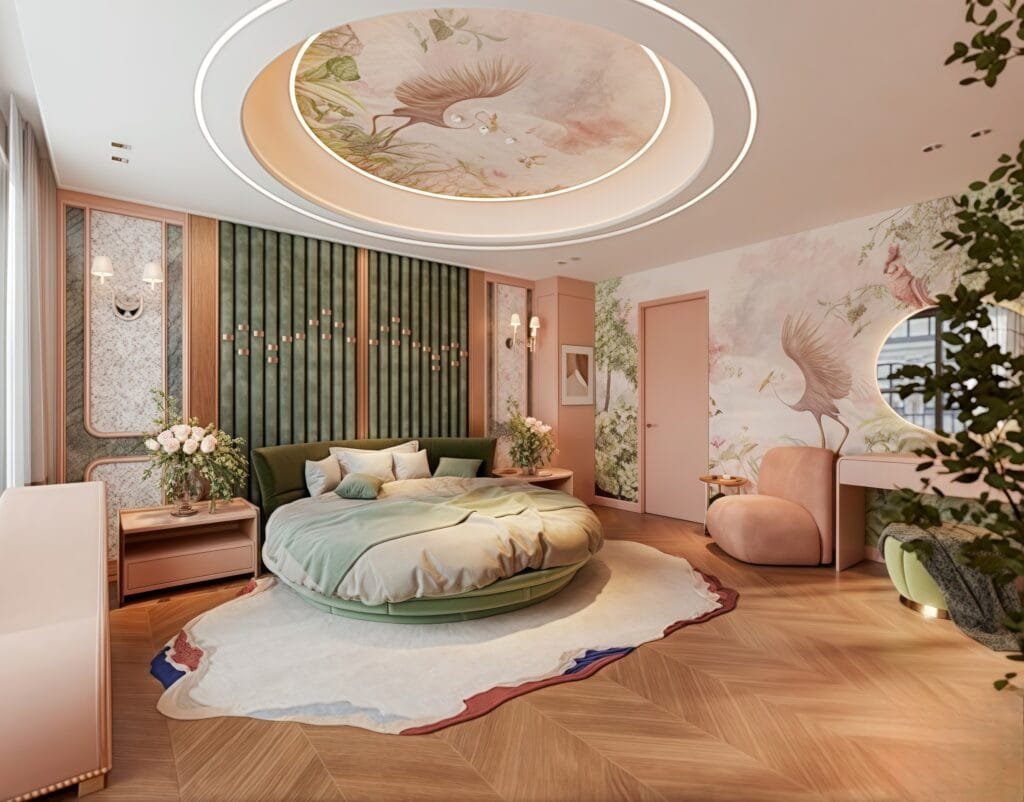
- Coral and Warm Pink: Create romantic yet playful atmospheres without excessive intensity; popular in modern luxury designs
Cool Color Applications:
- Deep Blue and Midnight: Create calming, sophisticated backdrops that promote relaxation
- Jewel Tones (Emerald, Sapphire): Convey luxury and sensuality while maintaining sophistication
- Soft Pastels: Used selectively to create romantic without saccharine effects
Color Drenching Technique: Advanced hospitality designers employ “color drenching”—applying a single color to walls, ceilings, and furniture simultaneously—to create immersive, enveloping atmospheres that psychologically transport guests beyond their everyday environment.
Lighting Design as Primary Mood Creator
Lighting design functions as the primary tool for establishing emotional atmosphere in intimate spaces.
Layered Lighting Strategy:
| Lighting Type | Purpose | Design Application |
|---|---|---|
| Ambient Lighting | Overall room illumination and safety | Dimmable overhead and accent lighting |
| Task Lighting | Functional visibility (bathroom, desk, reading) | Focused fixtures with adjustable intensity |
| Accent Lighting | Highlighting architectural features and decor | Uplighting, backlighting, LED strips |
| Intimate Lighting | Creating romance and sensuality | Warm color temperature (2700K-3000K), low intensity |
| Smart Lighting | Guest control and personalization | Voice-activated or app-controlled systems |
Contemporary love hotel design increasingly emphasizes smart, multi-stage lighting systems allowing guests complete control over ambiance—from bright, functional illumination for activities like unpacking to warm, dimmed lighting for relaxation and intimacy.
Headboard Backlighting: A sophisticated trend positions LED strips or neon elements behind headboards, creating focal-point lighting that enhances the bed’s visual prominence while establishing mood.
Love Hotel Design Themes: From Romantic Fantasy to Immersive Experience
Contemporary Theme Categories (2025)
Modern love hotels have evolved beyond simple aesthetic additions to feature comprehensive thematic environments that integrate architecture, furniture, color, lighting, technology, and amenities into cohesive experiential narratives.
1. Romantic and Luxury Themes
Design Elements:
- Crystal chandeliers and decorative lighting
- Velvet upholstered furniture and drapery
- Mirror-integrated headboards reflecting light and space
- Spa-like bathrooms with soaking tubs and rainfall showerheads
- Fine linens and premium bedding
- Subtle gold or rose gold accents
Guest Psychology: Appeals to couples seeking elegant, timeless romance; popular for anniversaries and special occasions.
Market Positioning: Premium pricing tier; attracts affluent demographics and international travelers.
2. Themed Fantasy Environments
Popular Contemporary Themes:
Anime and Cosplay Rooms: Life-size character integrations, themed wallpaper, cosplay props, and interactive elements. Appeals to younger demographics; often features character-themed bedding and collectible elements.
Underwater/Aquarium Designs: Floor-to-ceiling aquarium panels, blue lighting, bubble effects, and ocean-inspired aesthetics. Creates surreal, immersive atmosphere distinct from everyday experience.
Futuristic/Space Themes: Metallic interiors, LED lighting systems, voice-activated controls, neon accents, and interactive technology. Appeals to tech-savvy guests seeking novelty and innovation.
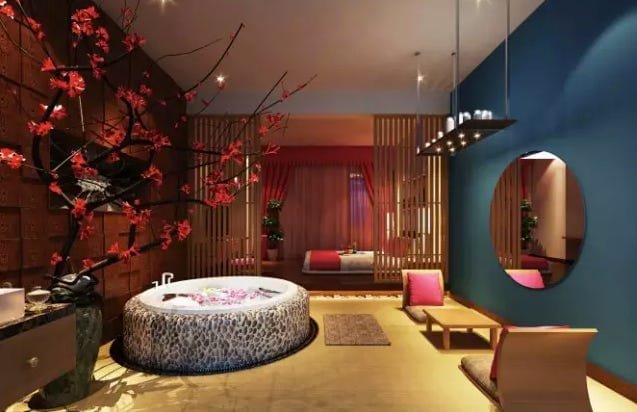
Japanese Traditional Aesthetic: Tatami flooring, fusuma (paper sliding doors), natural materials, minimalist furniture, and traditional decorative elements. Combines cultural authenticity with intimate comfort.
Bali Resort Villa Style: Natural materials (stone, wood), waterfall features, tropical plants, earth-tone color palettes, and open-air bathing areas. Creates vacation escape atmosphere within urban environment.
Cinema and Karaoke Rooms: Professional-grade entertainment systems, theatrical lighting, sound isolation, and performance-oriented furniture arrangements. Functional entertainment combined with intimate seating.
3. Niche and Specialized Themes
Historical and Role-Play Themes:
- Dungeon and S&M designs with authentic props and safety features
- Hospital and Doctor-themed rooms for specific fantasy exploration
- Prison-cell aesthetics for adventure-seeking couples
- Historical era recreations (Victorian, Medieval, Feudal Japan)
Surreal and Artistic Themes:
- UFO and spacecraft designs with metallic interiors and control panels
- Disney-inspired rooms with carousel and whimsical elements
- Museum-quality art-integrated designs
- Gallery-inspired minimalist approaches
Market Insight: Specialized themes capture niche demographics; repeat customers often seek new theme experiences.
Design Consistency vs. Novelty: The Retention Paradox
Contemporary love hotel operators face strategic tension between design consistency (which builds brand recognition and repeat visitation) and novelty (which drives new customer acquisition and photo-sharing behavior).
Industry Solution: Many successful operators maintain signature brand aesthetic while rotating themed rooms or offering “room collections” where guests anticipate specific design languages without complete repetition.
Technical Innovation in Love Hotel Design (2025)
Smart Room Technology Integration
Modern love hotel design increasingly incorporates sophisticated technology creating seamless, personalized experiences:
Smart Control Systems:
- Voice-Activated Controls: Lighting, temperature, curtains, and entertainment via voice commands (Alexa, Google Home compatibility)
- Mobile App Integration: Guests control environment through smartphone applications before arrival and throughout stay
- Automated Mood Scenes: Pre-programmed lighting, music, and temperature combinations (Romance, Relaxation, Energetic modes)
- Occupancy Sensors: Automatic adjustment of lighting and temperature based on room occupancy and time of day
Entertainment and Connectivity:
- Premium Sound Systems: Multi-room audio, Bluetooth integration, high-fidelity speakers
- Smart Mirrors: Touchscreen displays with weather, entertainment, and interactive features
- High-Speed Connectivity: Reliable 5G/WiFi supporting streaming, video calls, and smart home control
- Entertainment Flexibility: Streaming service integration, karaoke systems, and gaming capabilities
Safety and Privacy Technology:
- Keyless Entry Systems: Smartphone-based access or digital keypads eliminating physical key exposure
- Noise Monitoring: Soundproofing verification and acoustic design integration
- Privacy Notification Systems: “Do Not Disturb” visual signals and text-based communication with staff
- Security Monitoring: Discreet camera systems (exterior only) and secure lock mechanisms
Amenities Innovation: Luxury Integration
Love hotel amenities increasingly blur boundaries with luxury resort standards:
Bathroom and Spa Amenities:
- Soaking Tubs: Japanese-style deep baths, some with temperature control and jets
- Rainfall Showerheads: High-end fixtures creating spa-like experiences
- Heated Towel Racks: Comfort detail promoting relaxation
- Premium Toiletries: Designer brands, organic options, and customizable selections
- Steam Showers and Saunas: Some properties feature private steam rooms and sauna areas
- Bidet and Advanced Toilet Technology: Japanese-standard heated toilet seats with integrated bidet functions
Comfort and Relaxation Elements:
- Weighted Blankets and Pillow Options: Addressing diverse comfort preferences
- Aromatherapy Systems: Scent diffusion creating multi-sensory environments
- Sound Management: White noise machines, soundscaping technology, and isolation design
- Temperature Control: Individual HVAC customization ensuring optimal comfort
Market Analysis: Love Hotel Design in the Asia Pacific Region (2025)
Market Size and Growth Projections
Japan Market Foundation:
- Current Estimated Market: 4,720+ established love hotels operating commercially
- Estimated Coverage: Properties strategically located in entertainment districts, near stations, and along major highways
- Revenue Model: Short-stay pricing (hourly, 2-hour, and overnight rates) creates higher-turnover revenue model than traditional hotels
Asia Pacific Expansion Context:
| Market Indicator | 2024-2025 Status | Growth Trajectory |
|---|---|---|
| Asia Pacific hotel development | Record-high pipeline (2,140 projects) | 4% YOY project growth |
| Total pipeline rooms | 409,616 new rooms | Strong expansion across region |
| Japan hotel market | 15% YOY transaction volume growth | USD 3.5 billion in hospitality assets |
| Tokyo hotel pipeline | 38 projects, 5,240 rooms | Strategic brand expansion |
| Osaka hotel growth | Outperforming Tokyo ADR growth | Expo 2025-driven development |
| Singapore luxury hotels | 8.6% growth projection (2025-2029) | Ultra-premium segment expansion |
| Vietnam tourism | Robust RevPAR growth | Emerging luxury hotel demand |
Market Drivers:
- Urbanization and Space Constraints: Growing urban populations in small residential spaces continue creating privacy demand
- International Tourism Recovery: Sustained inbound tourism to Japan, South Korea, and Southeast Asia
- Changing Relationship Dynamics: Non-traditional coupling arrangements and dating culture evolution
- Experiential Travel Demand: Younger travelers seeking unique, Instagram-worthy accommodations
- Premium Market Growth: Affluent demographics willing to pay premium rates for exceptional experiences
Target Demographics and Market Segmentation
Primary Demographics:
Young Urban Couples (20-35 years):
- Primary market segment in Japan and South Korea
- Value privacy, creativity, and distinctive experience
- Frequent theme-switchers seeking novelty
- Strong social media documentation and sharing
Professional Adults (30-50 years):
- Affluent couples seeking discreet luxury
- Appreciate sophisticated design over novelty
- Longer stay durations (overnight vs. hourly)
- International business travelers and tourists
International Tourists (25-55 years):
- Experiencing cultural phenomena
- Photo-documentation and “Instagram moment” seeking
- Premium price tolerance for unique experiences
- Growing segment particularly from Western markets
Non-Traditional Relationships:
- Polyamorous couples and group arrangements
- Escorts and companions requiring discreet facilities
- This segment represents significant but less-discussed market portion
Emerging Market Opportunities
Southeast Asia Expansion: Vietnam, Thailand, and Indonesia showing emerging demand for upscale intimate accommodation alternatives to traditional hotels.
Western Market Adaptation: North American and European cities increasingly feature “romance hotels” inspired by Asian love hotel concepts, adapting thematic design for Western aesthetics.
Wellness Integration: Contemporary properties increasingly feature wellness elements—spa services, meditation spaces, and relaxation-focused design alongside intimate accommodation.
Design Across Property Types and Market Segments
Luxury Segment Properties (USD 150-500+ per night)
Design Characteristics:
- Custom furniture design and bespoke elements
- Premium materials (Italian leather, high-thread-count linens, designer fixtures)
- Cutting-edge technology seamlessly integrated
- Spa-quality bathrooms with multiple fixture options
- Art-quality decor and artistic design statement
- Personalized concierge services
- Gourmet dining options and beverage selections
Market Position: Target affluent couples seeking sophisticated intimacy experiences; often international travelers with premium budgets.
Mid-Market Properties (USD 60-150 per night)
Design Characteristics:
- Thematic consistency with quality execution
- Modern amenities and smart technology
- Comfortable, well-designed furnishings
- Functional luxury in bathrooms and lighting
- Creative design without excessive ornamentation
- Good balance of novelty and comfort
- Efficient, well-organized spaces
Market Position: Appeal to middle-class couples; strong repeat customer base; international tourists seeking distinctive experience at moderate price point.
Value Segment Properties (USD 30-60 per night)
Design Characteristics:
- Themed environments with practical focus
- Basic smart amenities and functional technology
- Clean, comfortable furnishings
- Simple but effective lighting and ambiance design
- Limited but functional bathroom amenities
- Emphasis on cleanliness and customer service
- Efficient space utilization
Market Position: Serve price-conscious young couples; high turnover model; strong domestic customer base.
Best Practices for Modern Love Hotel Design
Design Development Framework
Step 1: Define Target Demographic and Experience Positioning
- Identify primary guest profile (age, relationship status, preferences, price sensitivity)
- Determine market positioning (luxury experiential, value-conscious adventure, romantic escape, fantasy-focused)
- Establish brand personality and design language consistency
Step 2: Evaluate Privacy and Discretion Requirements
- Design exterior facades balancing visibility and privacy (distinctive without obvious signaling)
- Implement soundproofing standards exceeding typical hospitality requirements
- Create discreet entry, parking, and guest circulation systems
- Design checkout processes minimizing guest interaction and exposure
Step 3: Develop Thematic Coherence or Design Flexibility
- Select themes supporting target demographic preferences
- Ensure architectural and design consistency within themed environments
- Balance novelty with comfort and accessibility
- Plan for theme rotation or evolution reflecting market trends
Step 4: Implement Psychology-Informed Design Elements
- Select color palettes supporting intended emotional response
- Design multi-layer lighting supporting intimacy and mood creation
- Integrate texture, scent, and sound elements creating immersive experience
- Plan spatial arrangement promoting relaxation and intimacy
Step 5: Prioritize Comfort and Functional Design
- Select premium bedding and mattress quality suitable for extended intimate contact
- Design ergonomic furniture supporting various positions and activities
- Plan bathroom layouts maximizing spa-like features and functionality
- Integrate temperature, humidity, and air quality control
Step 6: Integrate Technology Thoughtfully
- Select smart systems balancing convenience with privacy
- Design controls intuitive to use without instruction
- Plan connectivity infrastructure supporting entertainment streaming
- Implement failsafe systems ensuring functionality without staff intervention
Step 7: Address Inclusivity and Accessibility
- Design spaces accommodating various mobility levels and body types
- Plan for diverse relationship configurations and group sizes
- Address cultural and relationship diversity in design language
- Ensure universal design principles without compromising intimacy aesthetic
Contemporary Trends and Future Directions (2025-2030)
Wellness Integration
Modern love hotel design increasingly incorporates wellness elements recognizing guests seek restoration and health alongside intimacy:
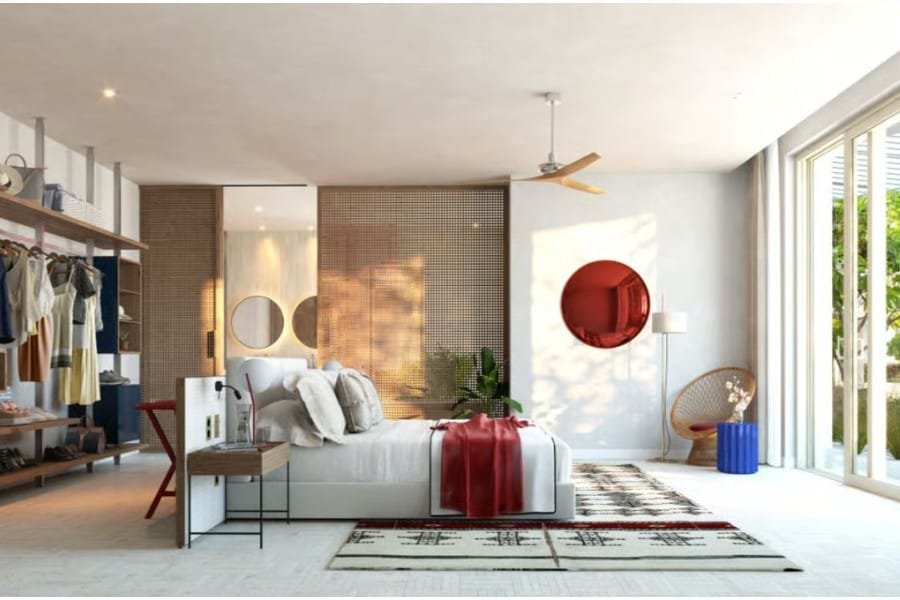
- Biophilic Design Elements: Natural materials, plant integration, water features
- Air Quality Technology: Advanced filtration, humidity control, and oxygen-enriching systems
- Light Therapy: Circadian rhythm-aligned lighting supporting sleep quality
- Relaxation Spaces: Dedicated areas for meditation, yoga, or quiet reflection
- Healthy Amenities: Premium bedding promoting sleep quality, water features, natural materials
Sustainability and Eco-Conscious Design
Environmental consciousness increasingly influences love hotel design decisions:
- Sustainable Materials: Bamboo, reclaimed wood, organic fabrics, recycled materials
- Energy Efficiency: LED lighting, smart HVAC systems, efficient water heating
- Water Conservation: Low-flow fixtures, greywater recycling systems
- Waste Reduction: Minimal single-use items, sustainable toiletries, recycling integration
- Carbon-Neutral Operations: Renewable energy, carbon offset programs
Inclusivity and Diverse Relationship Recognition
Contemporary design increasingly addresses relationship diversity:
- Non-Heterosexual Relationship Design: Aesthetic and functional design serving LGBTQ+ couples
- Polyamorous and Group-Friendly Spaces: Room configurations supporting multiple participants
- Gender-Neutral Design: Avoiding gendered color/aesthetic assumptions
- Diverse Representation: Decor and artwork reflecting various cultures and relationship models
Experiential Technology Integration
Emerging technologies creating immersive guest experiences:
- Virtual Reality Environments: Theme room immersion enhanced by VR technology
- Interactive Bed Systems: Motion, temperature, and sensory control in mattress/furniture design
- Augmented Reality Design Elements: Hidden virtual elements revealed through smartphone apps
- AI Concierge Services: Intelligent systems providing personalized recommendations and assistance
Common Questions About Love Hotel Design
1. What distinguishes love hotels from standard hotels in design approach?
The Core Difference: Standard hotels prioritize individual comfort, business functionality, and broad demographic appeal. Love hotels prioritize couples’ intimacy, psychological immersion, and shared experience. This fundamental difference influences every design decision—from soundproofing standards (exceptional rather than adequate) to lighting design (supporting romance rather than simple visibility) to spatial arrangement (facilitating physical closeness rather than maximum use of square footage).
Specific Design Distinctions:
- Bed as Focal Point: Love hotels elevate bed design to primary architectural element; standard hotels treat it as functional furniture
- Soundproofing Standards: Love hotels exceed building code requirements ensuring absolute privacy
- Lighting Design Sophistication: Mood lighting with smart controls is essential rather than optional
- Bathroom Luxury: Spa-like features and extended bathroom space reflect intimate activity focus
- Technology Integration: Smart systems emphasize mood and experience control rather than business functionality
2. How do love hotels balance privacy with safety and responsibility?
This represents a critical ethical consideration in love hotel design and operations:
Safety Infrastructure:
- Discreet emergency exit systems and alarm systems
- Security cameras in common areas (hallways, lobbies) but absolutely not in rooms
- Staff training on recognizing trafficking and coercion indicators
- Anonymous reporting systems for guest concerns
Privacy Protection:
- Absolute room privacy with reinforced doors and locks
- Cashless payment systems minimizing staff interaction
- Anonymous customer records and minimal data collection
- Discretion in exterior design and guest circulation
Ethical Considerations:
- Responsible service to consenting adult couples and relationships
- Awareness of trafficking and exploitation risks; cooperation with authorities
- Policies prohibiting illegal activities while respecting consensual intimacy
- Staff training on dignity, discretion, and non-judgment
Contemporary love hotels operate within legal frameworks; legitimate establishments prioritize guest consent, safety, and ethical operations.
3. How does love hotel design reflect or influence cultural attitudes toward intimacy?
Love hotel design simultaneously reflects and shapes cultural perspectives on intimacy, sexuality, and relationships:
Cultural Reflection:
- Non-Judgmental Approach: Love hotel prevalence in Japan reflects cultural comfort with adult intimacy as normal, deserving dedicated space
- Fantasy and Creativity: Thematic design reflects broader cultural interest in fantasy, role-play, and creative expression
- Privacy Valuation: Distinctive privacy infrastructure reflects Japanese cultural values of discretion and boundary respect
- Relationship Diversity: Contemporary design increasingly reflects diverse relationship configurations (non-married couples, LGBTQ+ relationships, polyamorous arrangements)
Cultural Influence:
- Love hotels shape how people experience intimacy—moving toward more creative, comfortable, and experiential engagement
- Design aesthetics influence broader hospitality design trends
- Normalization of intimate space specialization may influence societal attitudes toward sexuality and relationships
- International exposure to love hotel concepts gradually shifts Western cultural perspectives from criticism toward curiosity and appreciation
4. What sustainability challenges do love hotels face in 2025?
Love hotel operations present specific sustainability challenges:
Water Usage: Extended bathing, soaking tubs, and shower features consume significant water. Modern designs increasingly incorporate:
- Low-flow fixtures reducing consumption by 30-50%
- Greywater recycling systems
- Smart water heating preventing waste
Energy Consumption: 24-hour operations, lighting design, and climate control demands require:
- LED lighting systems (80%+ energy reduction vs. traditional)
- Smart HVAC systems learning occupancy patterns
- Renewable energy integration
Waste Generation: Frequent turnover and amenity provisioning creates waste challenges:
- Bulk toiletry dispensers replacing single-use bottles
- Sustainable linen and towel programs
- Minimal packaging for amenities
Environmental Justice: Operations must balance legitimate privacy/discretion needs with sustainability transparency requirements.
Conclusion: Love Hotel Design as Sophisticated Hospitality Expression
Love hotel design represents far more than casual accommodation—it represents sophisticated integration of psychology, architecture, cultural values, and creative expression serving a genuine human need for private, comfortable, and experientially distinctive intimate space.
From Showa-era mechanical innovation through contemporary smart technology integration, love hotel design demonstrates continuous evolution responding to changing demographics, technological capabilities, and cultural values. The design sophistication evident in luxury properties rivals or exceeds standard luxury hotel design, requiring expertise in environmental psychology, technical innovation, thematic consistency, and ethical responsibility.
Key Takeaways
For Design Professionals: Love hotel design represents legitimate, sophisticated hospitality design addressing authentic market demand through creative, psychologically informed spatial solutions.
For Hospitality Investors: Love hotel properties command premium positioning within hotel development portfolios, supporting higher average daily rates and creative brand differentiation.
For Cultural Observers: Love hotel design reveals cultural attitudes toward intimacy, privacy, relationships, and creativity—making it valuable artifact for understanding contemporary society.
For Future Development: Emerging trends toward wellness integration, sustainability, inclusivity, and experiential technology suggest love hotel design will continue evolving as a sophisticated hospitality niche, not disappearing but rather maturing and expanding into new markets and concepts.
The phenomenon of love hotel design demonstrates that thoughtful, creative, psychologically sophisticated design applied to intimate human needs can produce spaces of genuine beauty, functionality, and cultural significance—worthy of serious design attention and analysis.
About Hospitality Design Innovation
Professional hospitality design firms increasingly recognize love hotel design as specialized expertise requiring deep understanding of privacy infrastructure, psychological space design, and thematic consistency. Specialized consultation from designers experienced in intimate accommodation design, privacy infrastructure, and thematic environmental design significantly improves property performance, guest satisfaction, and operational efficiency.
Leading hospitality architects and designers increasingly incorporate love hotel design expertise into broader portfolios, recognizing both the specialized technical requirements and the emerging trend toward boutique, experiential hospitality accommodations across diverse markets and demographics.