
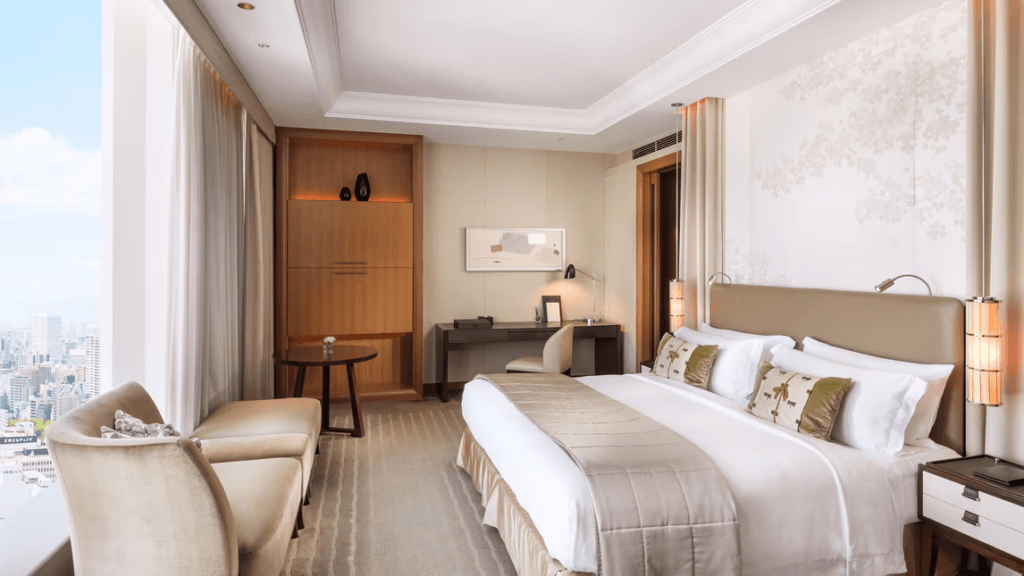
The 2026 Hospitality Pivot
In 2026, the global Hotel FF&E market is projected to reach a valuation of approximately $67.4 Billion, growing at a CAGR of 6.9%. However, the “sticker price” of furniture is no longer the only variable. Investors are now focused on the Total Cost of Ownership (TCO), which includes carbon taxes, smart-tech integration, and circular lifecycle management.
For properties partnering with high-capacity manufacturers like Hongye Furniture Group, the goal is to balance the structurally higher expense base with “factory-direct” efficiencies. This guide breaks down exactly what you need to budget for in the 2026 fiscal year.
1. Understanding the FF&E vs. OS&E Boundary
Before diving into costs, it is essential to define the scope of your budget. In 2026, the lines are blurring due to “Smart Room” technologies.
- FF&E (Furniture, Fixtures, and Equipment): These are movable assets that are not part of the building’s structure. It includes beds, desks, chairs, lighting, window treatments, and carpets.
- OS&E (Operating Supplies and Equipment): These are smaller, consumable, or high-turnover items like linens, towels, glassware, and small kitchen appliances.
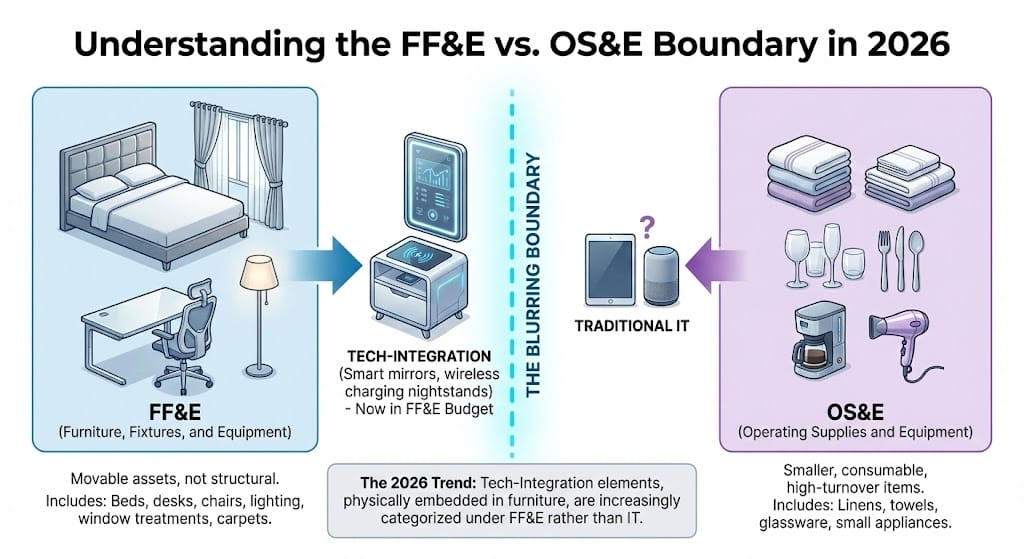
The 2026 Trend: Many developers are now moving “Tech-Integration” (smart mirrors, wireless charging nightstands) into the FF&E budget rather than IT, as these elements are now physically embedded in the furniture.
2. 2026 Market Forecast: Key Drivers of Cost
While core commodities like steel and timber have stabilized compared to the volatility of 2022, 2026 introduces new cost pressures.
A. The Sustainability Premium (ESG Compliance)
Sustainability is no longer a “nice-to-have.” In 2026, over 56% of corporate RFPs require verified “Green Stay” credentials.
- Cost Impact: Sourcing FSC-certified wood and low-VOC (GreenGuard Gold) finishes can add 5-8% to upfront costs, but this is offset by a 24% reduction in carbon-related operational taxes in select regions.
B. High Inflation Floor
Prices have not returned to pre-2020 levels. Instead, we have reached a “New Normal” where FF&E costs are 10–15% higher than historical benchmarks. This is driven by structurally higher labor costs and the “pull-forward” inventory strategies of 2025.
C. The “Muted Tech” Integration
Guests in 2026 demand invisible technology. This requires furniture with specialized millwork for wireless charging pads, hidden cable management, and built-in sensors.
- Hongye Advantage: As a leader in Custom Fabrication, Hongye integrates these features at the factory level, reducing on-site electrical labor costs by up to 15%.
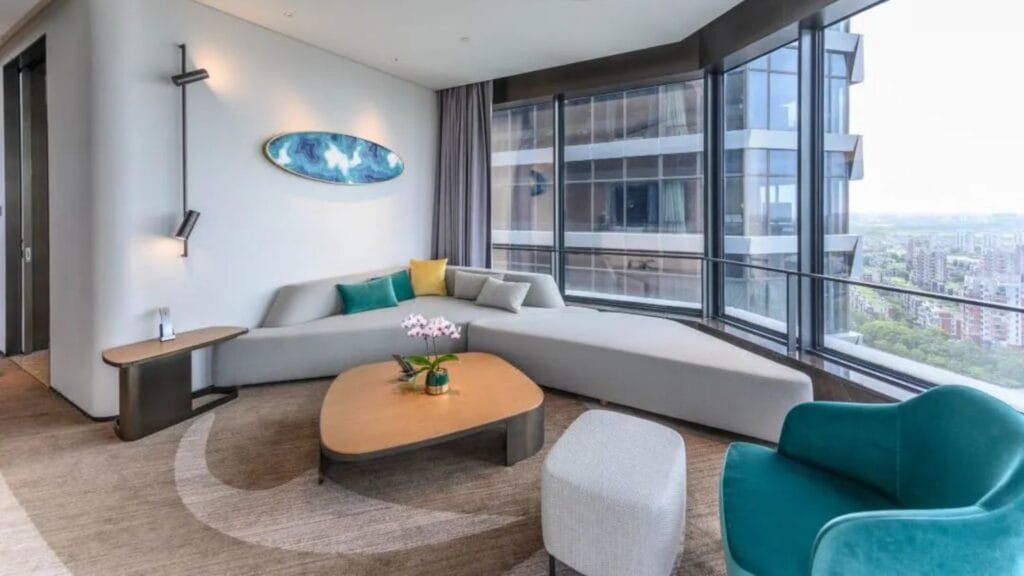
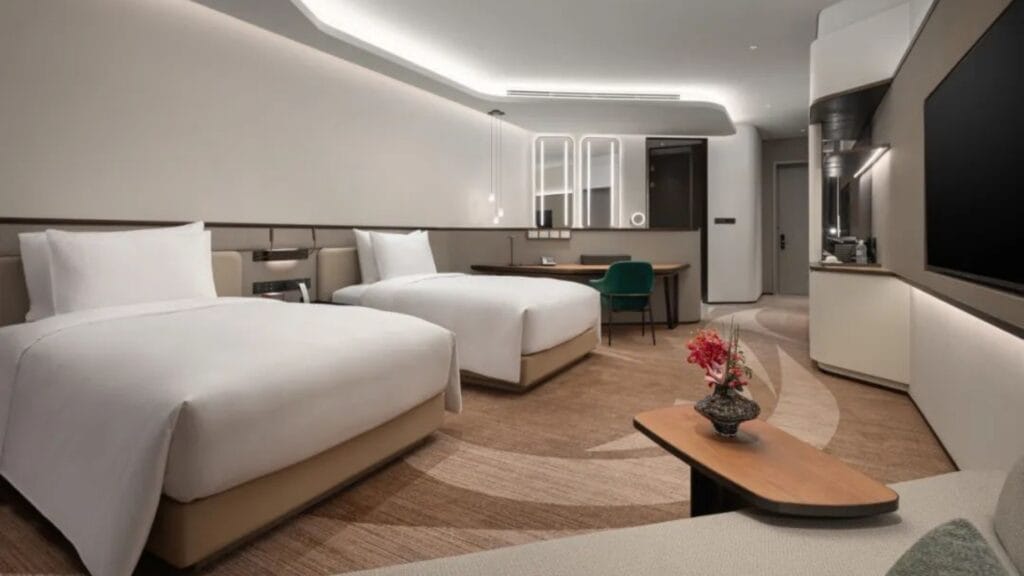
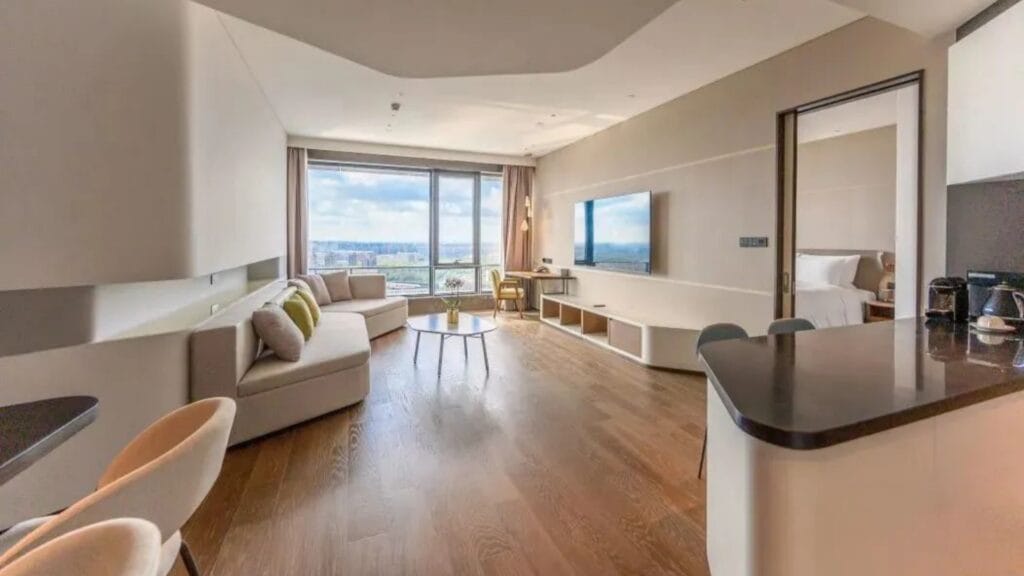
Radisson Collection | Hospitality Project Solution By Hongye Furniture
3. Average Hotel FF&E Costs per Room (2026 Estimates)
Budgeting varies significantly by hotel tier. The following table provides the 2026 projected “Cost per Key” for FF&E.
Table 1: 2026 FF&E Budget per Room by Hotel Segment
| Hotel Tier | Total Construction Cost/Key | FF&E Budget (Avg. 10-15%) | Estimated FF&E Cost per Room |
| Midscale / Select Service | $\$175,000$ | $8\% – 10\%$ | $\$4,500 – \$8,500$ |
| Upscale / Boutique | $\$225,000$ | $10\% – 12\%$ | $\$12,000 – \$35,000$ |
| Upper Upscale | $\$290,000$ | $12\% – 14\%$ | $\$25,000 – \$45,000$ |
| Luxury / 5-Star | $\$550,000+$ | $14\% – 18\%+$ | $\$55,000 – \$120,000+$ |
Data Analysis: The Luxury Gap
The cost per key for Ultra-Luxury rooms (e.g., Mandarin Oriental or Ritz-Carlton) has seen the highest growth due to the demand for bespoke, artisan-grade materials and custom Sintered Stone surfaces. For these projects, the Return on Investment (ROI) is calculated via the ADR premium:

4. Deep Dive: Where Does the Money Go?
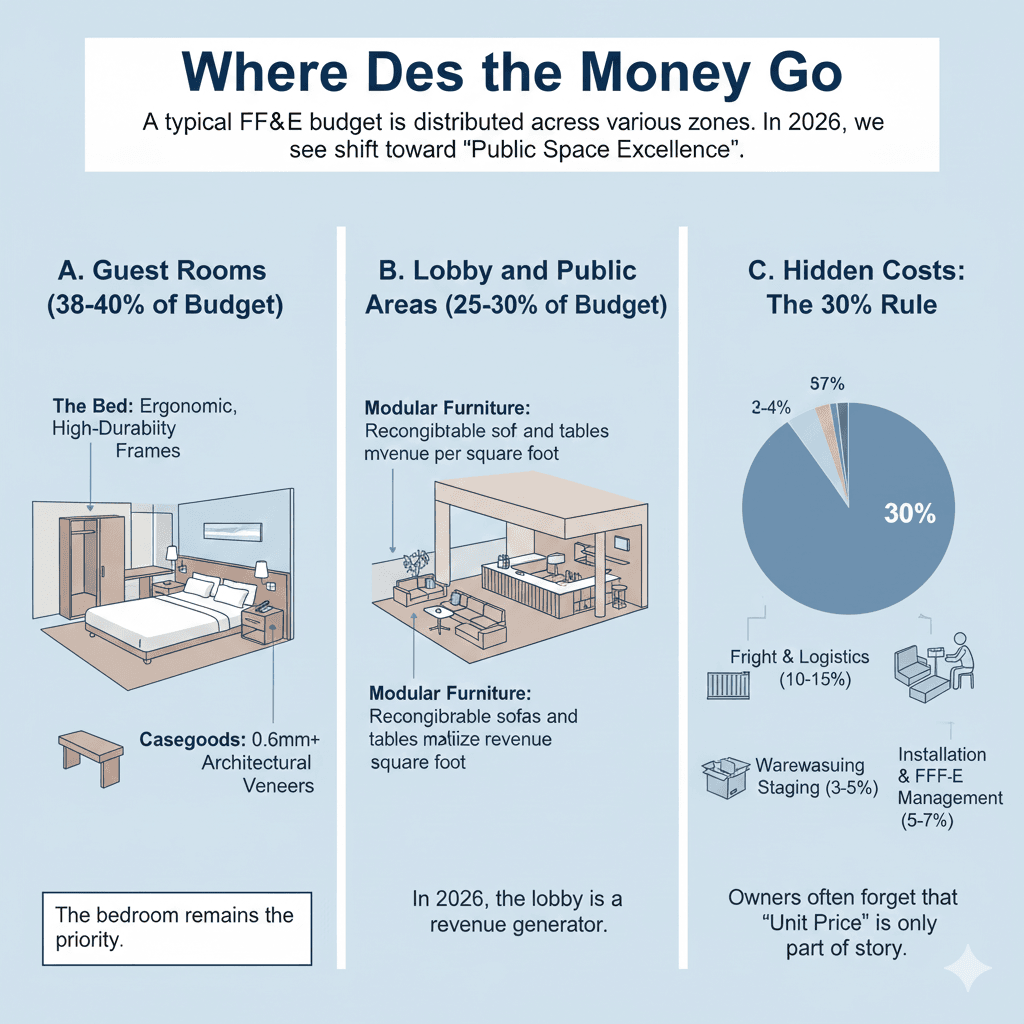
A typical FF&E budget is distributed across various zones. In 2026, we see a shift toward “Public Space Excellence.”
A. Guest Rooms (38-40% of Budget)
The bedroom remains the priority.
- The Bed: The focal point. 2026 trends favor ergonomic, high-durability frames.
- Casegoods: Wardrobes, nightstands, and desks. Hongye’s use of 0.6mm+ architectural veneers ensures these pieces survive high-frequency cleaning.
B. Lobby and Public Areas (25-30% of Budget)
In 2026, the lobby is a revenue generator (coworking by day, bar by night).
- Modular Furniture: Reconfigurable sofas and tables allow for multi-purpose use, maximizing revenue per square foot.
C. Hidden Costs: The 30% Rule
Owners often forget that the “Unit Price” of a chair is only part of the story. In 2026, you must budget for:
- Freight & Logistics (10-15%): Shipping premiums remain elevated.
- Warehousing & Staging (3-5%): Required if the construction site is not ready for immediate installation.
- Installation & FF&E Management (5-7%): Professional assembly is required to maintain warranties.
5. The Hongye Advantage: Mitigating 2026 Cost Pressures
As a group with 30+ years of experience and a 300,000㎡ smart factory, Hongye Furniture Group provides a unique hedge against rising costs.
I. Factory-Direct Pricing
By eliminating the middleman, Hongye allows developers to reallocate up to 20% of their budget from markup back into material quality.
II. AI-Driven Production & Scale
Our facility in Heshan Industrial City utilizes AI-driven precision cutting and 36-stage quality control. This scale ($230$ million RMB registered capital) ensures that even massive orders for global chains like Marriott or Hilton are produced with zero-defect consistency.
III. Global FF&E Compliance
We specialize in meeting the rigorous standards of 47+ international hotel brands.
- Fire Safety: Compliance with BS5852 (UK) and CAL 117 (USA).
- Environmental: FSC-certified wood and GreenGuard Gold finishes.
6. Sustainable Material Trends for 2026
Sustainable furniture is no longer just about wood. The 2026 “Green Spec” includes:
- High-Durability Laminates: Mimic stone/wood while being lighter and cheaper to ship.
- Recycled Fabric Upholstery: High-performance polyester made from ocean plastics.
- Water-Based Coatings: Reducing VOCs to improve indoor air quality (IAQ) and guest comfort.
7. Strategic Sourcing: How to Lower Your FF&E Costs
- Consolidated Procurement: Buy your Bedroom, Lobby, and Restaurant furniture from a single integrated manufacturer like Hongye to save on shipping and management fees.
- Attic Stock Management: Purchase 2-5% extra (“attic stock”) during the initial order. Sourcing a single replacement chair three years later is 400% more expensive than buying it upfront.
- Value Engineering: Work with Hongye’s design team to find “Look-Alike” materials. For example, using high-grade architectural veneers instead of solid exotic woods can save 30% without compromising the luxury aesthetic.
8. Conclusion: Budgeting for Success in 2026
In 2026, the most successful hotels will be those that view FF&E as a long-term investment in the Guest Experience. While costs have reset higher, the ability to partner with a global manufacturing titan like Hongye Furniture Group allows for high-end customization at scale.
Whether you are planning a Soft Goods Renovation or a New Build, understanding these cost dynamics is the first step toward a profitable property.
FAQ: 2026 Hotel FF&E
Q: What is the typical lead time for custom hotel furniture in 2026?
A: For high-capacity factories like Hongye, lead times are generally 10–14 weeks, but we recommend budgeting 20 weeks to account for global shipping and customs.
Q: How often should FF&E be replaced?
A: A “Soft Goods” refresh (fabrics, carpet) is recommended every 5–7 years, while “Hard Goods” (casegoods, beds) should last 12–15 years if sourced from a quality manufacturer.