
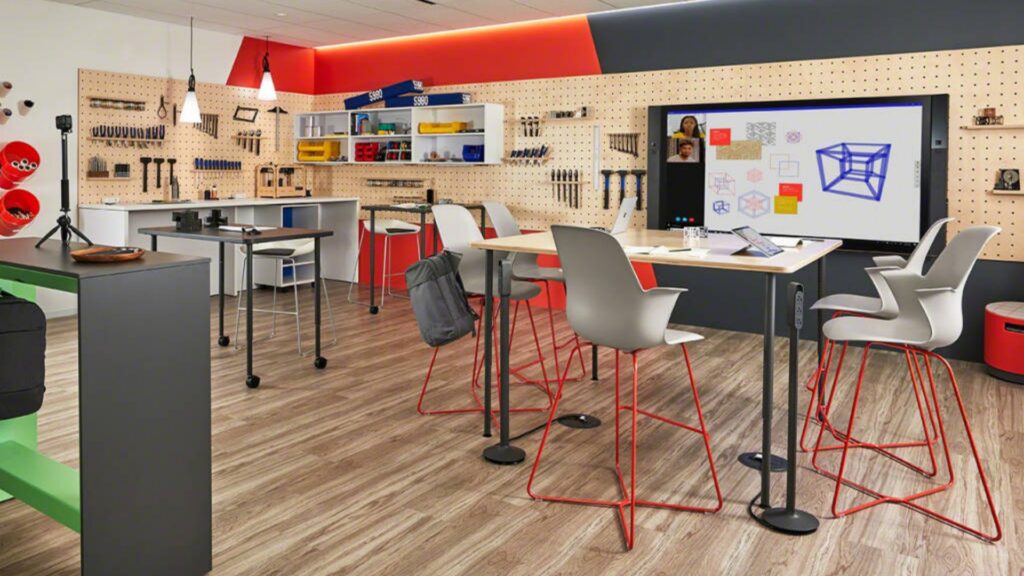
Introduction: Why School Furniture Choice Matters More Than Ever
You’re responsible for creating the right learning environment. Whether you’re a school administrator planning a classroom renovation, a procurement specialist managing a multi-building furniture project, or a designer looking to balance aesthetics with functionality, choosing the right school furniture manufacturer is one of your most critical decisions.
The furniture you select directly impacts student well-being, academic performance, and operational efficiency. According to recent education research, students spend approximately 7-8 hours daily seated in classroom furniture. When that furniture is poorly designed, ergonomically misaligned, or inadequate for flexible learning, the consequences are measurable: decreased focus, increased discomfort, behavioral issues, and ultimately, lower academic achievement.
The best school furniture manufacturers understand this responsibility. They combine ergonomic excellence, durability for high-use environments, flexibility for evolving pedagogies, and sustainable practices that align with educational values.
But which manufacturers deliver on all these fronts? More importantly, how do you evaluate and compare them for your specific school’s needs?
What Sets Top School Furniture Manufacturers Apart?
Before reviewing specific manufacturers, understand what distinguishes the best from the rest.
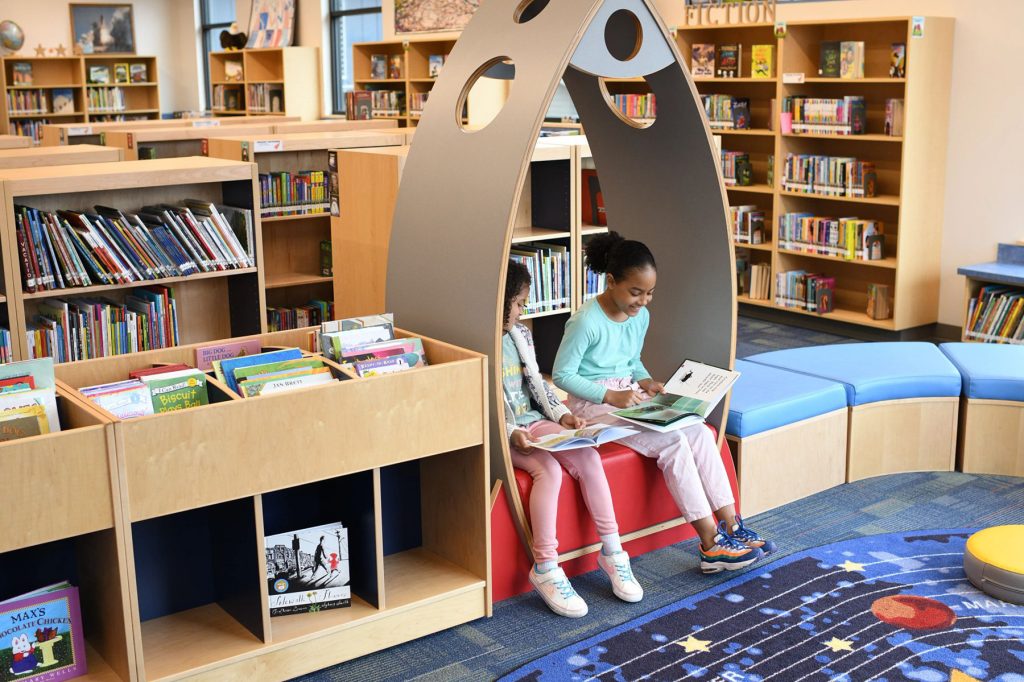
Key Characteristics of Leading School Furniture Manufacturers
| Characteristic | Why It Matters | What to Look For |
|---|---|---|
| Ergonomic Design Excellence | Students spend 7-8 hours daily seated; poor ergonomics causes posture issues, back pain, reduced focus | BIFMA/ANSI certified seating; adjustable height options; lumbar support; footrest compatibility |
| Age-Group Specific Sizing | Children grow; furniture must fit ages 6-18+ with different proportions | Multiple seat heights (Size A: <13.9″, Size B: 13.9-16.7″, Size C: >16.7″) |
| Flexibility & Modularity | Modern teaching requires rapid classroom reconfiguration (group work, lectures, collaborative learning) | Mobile bases, stackable designs, nesting options, modular components |
| Durability & Warranty | School furniture endures heavy daily use; needs longevity to justify investment | 10-15 year warranties; reinforced joinery; scratch/dent resistant materials |
| Sustainability Practices | Schools increasingly prioritize eco-responsibility; materials impact indoor air quality | BIFMA LEVEL certified, FSC-certified wood, flame-retardant-free options, recycled materials |
| Customization Capabilities | Every school is unique in space, teaching style, and student demographics | Color options, material choices, dimensional flexibility, integrated power/USB options |
| Technical Innovation | Modern learning includes technology; furniture must integrate seamlessly | Cable management, integrated charging, tablet-arm capabilities, mobile tech support |
| Proven Track Record | Reliability matters; schools need partners with proven success in educational settings | References from 100+ schools; major institutional clients; longevity in market |
How Direct Manufacturer Partnership Benefits Your School
Working directly with school furniture manufacturers—rather than through general distributors—provides distinct advantages:
| Advantage | Benefit to Your School |
|---|---|
| Superior Cost Efficiency | Access true wholesale pricing (typically 20-35% savings vs. distributors); better budget control |
| Customization & Design Flexibility | Modify colors, materials, dimensions to match your design vision and space constraints |
| Design Collaboration | Partner with educational design experts who understand pedagogy and learning environment psychology |
| Quality Assurance | Direct control over production and testing ensures consistency across your entire furniture order |
| Transparent Supply Chain | Real-time status updates, predictable timelines, fewer delays than distributor models |
| Compliance Documentation | Direct access to certifications, test reports, and compliance evidence (critical for purchasing departments) |
| Extended Support | Warranty support, maintenance guidance, long-term technical assistance from manufacturer |
| Modular Solutions | Access to complete product lines ensuring cohesive aesthetic across multiple furniture types |
The 10 Best School Furniture Manufacturers in the USA
1. Smith System
Founded: 1905 | Headquarters: Muskegon, Michigan
Smith System is a pioneer in educational furniture with over a century of experience. They understand what makes education unique and have built their entire business around that insight.
Why Schools Choose Them:
- Cooperative Learning Focus: Furniture specifically designed for group collaboration through innovative desk shapes
- Flexibility Leadership: Pioneered mobile and reconfigurable classroom solutions
- Age-Group Specific Designs: Comprehensive sizing from elementary through high school
- Flavors Chair Line: Offers four seating positions, allowing students to shift and move without resistance—similar to stability ball benefits but with more support
- Proven Track Record: Trusted by 1000+ schools nationwide
Key Products: Smith System Flavors chairs, Hierarchy desks, collaborative table systems, active seating solutions
Certifications: BIFMA Compliant, ANSI/BIFMA X6.1 certified, ADA accessible designs
2. VS America (Versus Systems)
Founded: 1890 | Headquarters: North Carolina
With 125+ years of innovation, VS America specializes in creating agile, ergonomic furniture that supports both student and teacher well-being.
Why Schools Choose Them:
- Movement-Focused Design: Furniture actively promotes movement, improving posture and focus
- Collaborative Environments: Designed specifically for flexible learning spaces and active learning
- Comprehensive Product Line: Seating, desks, tables, and storage solutions all coordinated
- Agile Learning Methodology: Deep expertise in designing for “guide on the side” teaching models
- Sustainability Leadership: LEVEL certified, using recycled materials and eco-conscious processes
Key Products: VS active seating, mobile desks, tiered seating systems, collaborative tables
Certifications: BIFMA LEVEL Certified, ANSI/BIFMA compliant
3. KI (Kimball International)
Founded: 1950 | Headquarters: Wisconsin
KI is a major institutional furniture manufacturer with specialized school divisions offering both standard and custom solutions.
Why Schools Choose Them:
- Design Versatility: KI’s Stout tables come in multiple depths/widths/heights for different postures (ideal for STEAM settings)
- Sway Lounge Seating: 360-degree swivel motion for collaborative spaces, media centers, and student lounges
- Ergonomic Precision: Multiple configuration options for different grade levels and activities
- Technology Integration: Built-in power outlets, cable management, and tech-friendly design
- Customization Options: Extensive color and material selections
Key Products: KI Stout tables, Sway lounge seating, Learn 2 Strive chairs, modular systems
Certifications: BIFMA Compliant, sustainability standards alignment
4. MooreCo (formerly Moore Corporation)
Founded: 1962 | Headquarters: Ohio
MooreCo specializes in dynamic, adaptable furniture for modern learning environments.
Why Schools Choose Them:
- Hierarchy Creator Tables: Available in six dynamic shapes (triangle, trapezoid, chevron) facilitating collaborative learning
- Respite Soft Seating: Foam soft seating designed for relaxation and semi-upright reading/working positions
- Flexible Configuration: All products designed for seamless reconfiguration
- Inclusive Design: Focus on supporting diverse learners with varied seating options
- Budget-Conscious Options: Quality furniture at competitive price points
Key Products: MooreCo Hierarchy tables, Respite seating, flexible desks, collaborative solutions
Certifications: BIFMA Compliant, ergonomic standards
5. Steelcase Education Division
Founded: 1912 | Headquarters: Michigan
Steelcase brings corporate furniture expertise to education with premium, durable solutions.
Why Schools Choose Them:
- Cachet Chairs: High-capacity seating with 300+ lb. capacity, armless or flip-up arm options
- Premium Durability: Built for institutional heavy use with longer warranties (10-15 years)
- Integrated Technology: Seamless power and data integration for modern classrooms
- Large-Scale Project Capability: Proven experience with major multi-building implementations
- Design Collaboration Services: Full design support for comprehensive facility planning
Key Products: Steelcase Cachet, collaborative tables, mobile storage, tech-integrated furniture
Certifications: BIFMA Compliant, ANSI standards, sustainability options
6. Herman Miller Education
Founded: 1923 | Headquarters: Michigan
Herman Miller brings premium design and ergonomic heritage to educational spaces.
Why Schools Choose Them:
- Design Excellence: Award-winning furniture that serves both function and aesthetics
- Customization Leadership: Extensive color, material, and dimension options
- Sustainable Practices: BIFMA LEVEL certified, eco-conscious manufacturing
- Collaborative Focus: Specializes in furniture supporting active learning methodologies
- Premium Quality: Longer lifespan justifies higher initial investment
Key Products: Herman Miller Aeron educational version, collaborative tables, modular seating systems
Certifications: BIFMA LEVEL certified, FSC-certified wood options, sustainability standards
7. Virco Manufacturing
Founded: 1950 | Headquarters: Arizona
Virco is the largest school furniture manufacturer in the USA, known for value and reliability.
Why Schools Choose Them:
- Market Leader Scale: Over 70 years serving American schools
- Cost-Effective Solutions: Competitive pricing without sacrificing quality or compliance
- Comprehensive Product Line: Complete furniture for classrooms, cafeterias, libraries, offices
- Fast Production: Efficient manufacturing enables quicker turnarounds
- Institutional Expertise: Deep understanding of school procurement requirements
Key Products: Virco Zuma seating, Paramount tables, Activity Series desks, stacking chairs
Certifications: BIFMA Compliant, ANSI/BIFMA X6.1 certified
8. Haworth Education Solutions
Founded: 1948 | Headquarters: Michigan
Haworth specializes in creating agile learning environments with customizable solutions.
Why Schools Choose Them:
- Agile Learning Spaces: Expertise in designing flexible, student-centered environments
- Collaborative Solutions: Furniture specifically engineered for group work and peer interaction
- Technology Integration: Seamless power, data, and charging integration
- Customization Depth: Extensive options for colors, materials, and configurations
- Educational Partnerships: Collaborations with schools and educational design specialists
Key Products: Haworth Compose tables, mobile seating, modular learning systems, collaborative environments
Certifications: BIFMA Compliant, sustainability standards
9. Childcraft Education Corporation
Founded: 1945 | Headquarters: Illinois
Childcraft specializes in early childhood and elementary education furniture.
Why Schools Choose Them:
- Age-Specific Expertise: Furniture designed specifically for pre-K through elementary grades
- Safety Focus: Exceptional attention to safety features for younger students
- Durability: Heavy-duty construction for high-traffic elementary environments
- Colorful Designs: Engaging aesthetics that support creative, playful learning
- Teacher Collaboration: Products designed with educator input
Key Products: Childcraft bean bags, early childhood tables, storage solutions, safe seating
Certifications: Safety standards for children’s furniture, BIFMA compliance
10. Palmieri Manufacturing
Founded: 1970 | Headquarters: California
Palmieri brings West Coast design sensibility and customization expertise to educational furniture.
Why Schools Choose Them:
- Custom Design Strength: Exceptional flexibility in creating one-of-a-kind pieces
- Sustainable Leadership: Pioneer in eco-friendly school furniture manufacturing
- Design Aesthetics: Furniture that doesn’t look “institutional”—appeals to modern sensibilities
- Local Support: Strong West Coast presence with responsive service
- Educational Philosophy Alignment: Partners with schools on learning environment vision
Key Products: Custom collaborative tables, sustainable seating, modular systems, aesthetic-focused designs
Certifications: Sustainable manufacturing practices, custom certification available
Understanding Key Features: A Comparison Framework
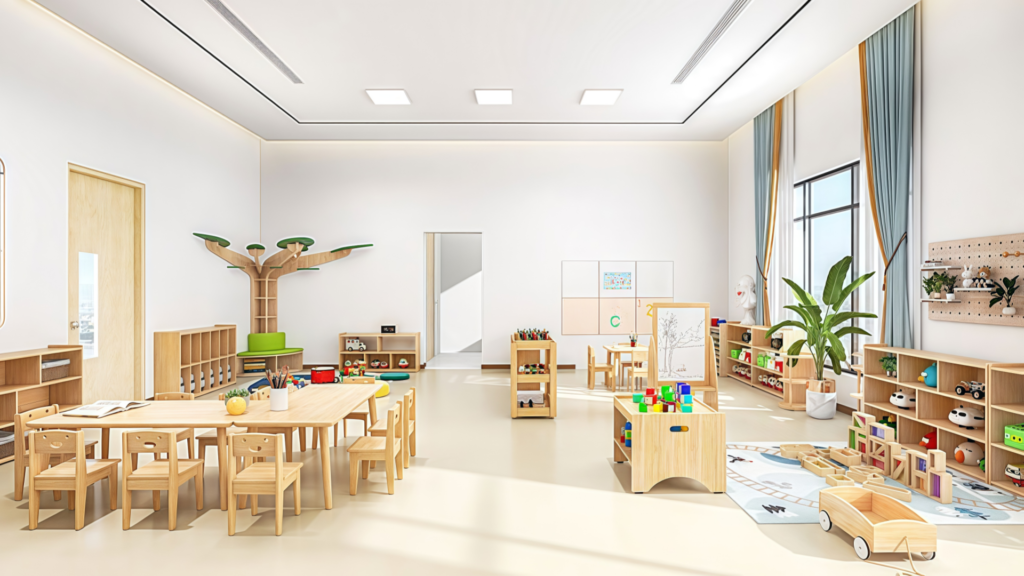
School Furniture Specifications Checklist
As you evaluate manufacturers, use this comparison matrix to align products with your school’s specific needs:
| Specification | Elementary | Middle School | High School |
|---|---|---|---|
| Seat Height (ANSI/BIFMA) | Size A: <13.9″ | Size B: 13.9-16.7″ | Size C: >16.7″ |
| User Weight Capacity | 75-150 lbs. | 150-200 lbs. | 200-250+ lbs. |
| Desk Height | 22-24″ | 26-28″ | 28-30″ |
| Depth (Front-Back) | 12-16″ | 16-18″ | 18-20″ |
| Width (Left-Right) | 16-18″ | 18-22″ | 22-24″ |
| Armrest Height | 4-6″ above seat | 6-8″ above seat | 8-10″ above seat |
| Mobility Requirement | Medium (reconfigure 3-4x/day) | High (reconfigure 5-7x/day) | High (reconfigure 5-7x/day) |
| Technology Integration | Basic (limited power needs) | Moderate (device charging) | High (USB, power, data) |
| Warranty Minimum | 7-10 years | 10-12 years | 12-15 years |
| Sustainability Requirement | Recommended | Expected | Required |
How to Choose the Right School Furniture Manufacturer
Step 1: Assess Your School’s Specific Needs
Before evaluating manufacturers, clarify your requirements:
Questions to Consider:
- What grade levels and age groups will use the furniture?
- What teaching methodologies do your educators employ (lecture, collaborative, project-based)?
- How often do you reconfigure classroom layouts (flexibility level)?
- What’s your multi-year budget for furniture investment?
- Do you have space constraints or unique architectural challenges?
- Are sustainability certifications required by your district?
- What technology integration is needed (charging, data, etc.)?
Step 2: Prioritize Critical Features
Ergonomic Essentials:
- Seat height options matching your student demographic
- Adjustability for diverse body types
- Lumbar support and footrest compatibility
- Armrest positioning for proper posture
Flexibility Factors:
- Mobile base options for easy reconfiguration
- Nesting or stacking capability for storage efficiency
- Modular components allowing mix-and-match
- Reconfigurability without special tools
Durability Requirements:
- Reinforced frame construction for high-use environments
- Finish durability (scratch/stain resistance)
- Warranty coverage (minimum 10 years for major items)
- Maintenance accessibility for repairs
Sustainability Alignment:
- BIFMA LEVEL or equivalent certification
- FSC-certified wood options
- Flame-retardant-free specifications
- Recycled content percentage
Step 3: Evaluate Manufacturer Capability
Create a scorecard comparing manufacturers on:
| Capability | Your Priority (1-10) | Manufacturer A | Manufacturer B | Manufacturer C |
|---|---|---|---|---|
| Ergonomic Design Excellence | ☐ | ☐ | ☐ | |
| Grade-Specific Sizing Options | ☐ | ☐ | ☐ | |
| Flexibility & Mobility Features | ☐ | ☐ | ☐ | |
| Durability & Warranty | ☐ | ☐ | ☐ | |
| Sustainability Certification | ☐ | ☐ | ☐ | |
| Customization Capabilities | ☐ | ☐ | ☐ | |
| Technology Integration | ☐ | ☐ | ☐ | |
| Cost Competitiveness | ☐ | ☐ | ☐ | |
| Design Support Services | ☐ | ☐ | ☐ | |
| Responsiveness & Local Support | ☐ | ☐ | ☐ |
School Furniture Certifications: What They Mean
When evaluating manufacturers, understand these critical certifications:
BIFMA Compliant® (Safety & Performance)
- What It Is: Products tested to ANSI/BIFMA safety and performance standards
- Why It Matters: Ensures furniture meets rigorous structural, safety, and durability requirements
- What to Verify: BIFMA registry listing; ISO 17025 accredited lab testing
BIFMA LEVEL® (Sustainability)
- What It Is: Multi-attribute sustainability certification (manufacturing, materials, end-of-life)
- Why It Matters: Demonstrates environmental responsibility and reduced ecological impact
- What to Verify: Third-party certification; specific standard met (e1, e2, or e3+)
ANSI/BIFMA X6.1 (Educational Seating)
- What It Is: Standard specifically for school furniture seating
- Why It Matters: Addresses unique requirements of educational environments
- Size Categories: Size A (<13.9″), Size B (13.9-16.7″), Size C (>16.7″)
ADA Accessibility Standards
- What It Is: Compliance with Americans with Disabilities Act requirements
- Why It Matters: Ensures furniture accommodates all students including those with mobility challenges
- Key Requirements: Approach dimensions, transfer space, reach ranges
FSC Certification (Wood Products)
- What It Is: Forest Stewardship Council certification of responsible forestry
- Why It Matters: Ensures wood sourcing supports sustainable forest management
- Verification: Chain of custody documentation
Measuring Success: How to Evaluate Your Furniture Investment
After implementing new furniture, track these metrics to ensure successful outcomes:
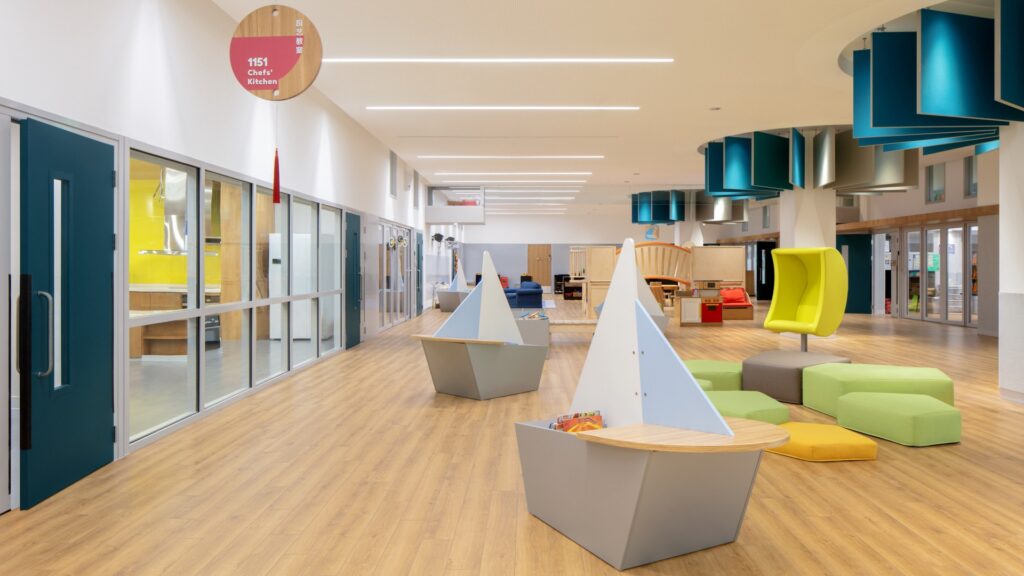
Quantitative Measures
- Reduction in Student Complaints: Track comfort-related issues reported by students/teachers
- Improved Classroom Utilization: Monitor frequency of successful layout reconfiguration
- Durability & Maintenance Costs: Compare actual damage/repair costs to warranty expectations
- Space Efficiency Gains: Measure classroom utilization improvements from flexible designs
Qualitative Assessment
- Teacher Feedback: Conduct surveys on ease of use, flexibility, aesthetic satisfaction
- Student Engagement Observation: Monitor behavioral changes in reconfigurable learning spaces
- Collaborative Learning Quality: Assess effectiveness of group work in new furniture configurations
- Accessibility Compliance: Verify all students can comfortably access and use furniture
Success Benchmarks
| Metric | Success Target |
|---|---|
| Teacher Satisfaction | 85%+ positive feedback on flexibility and usability |
| Student Comfort Reports | 80%+ positive comments on seating comfort |
| Utilization Efficiency | 80%+ of furniture used for intended collaborative activities |
| Durability Performance | <5% of furniture requiring repairs in first 3 years |
| Space Reconfiguration Time | Classroom reconfigured for new activity in <10 minutes |
Frequently Asked Questions
Q: What grade levels have different furniture sizing requirements?
A: ANSI/BIFMA X6.1 defines three sizes: Size A (<13.9″ seat height, ~75 lbs capacity) for ages 6-7; Size B (13.9-16.7″, ~165 lbs) for ages 8-12; Size C (>16.7″, ~253 lbs) for ages 13+. However, individual variation is significant—measure your specific student population for optimal fits.
Q: How often should we replace school furniture?
A: Quality commercial school furniture lasts 8-12 years in heavy-use environments. Rather than replacing everything simultaneously, implement a rolling refresh where 12-15% of furniture is upgraded annually. This spreads capital expenditure and maintains consistent quality levels.
Q: Do manufacturers offer installation services?
A: Most major manufacturers partner with local dealers for installation. Direct manufacturers can coordinate logistics, but assembly often falls to dealers or in-house facilities. Discuss installation and setup requirements upfront to avoid surprises.
Q: Can we mix furniture from different manufacturers?
A: Technically yes, but not recommended. Mixing creates aesthetic inconsistency and complicates warranty claims. Select one primary manufacturer for your furniture system to ensure cohesion and simplify maintenance/ordering.
Q: What’s typical lead time for custom school furniture orders?
A: Standard catalog items: 4-8 weeks. Customized specifications (colors, materials, dimensions): 8-12 weeks. Large-volume projects: negotiate extended timelines with manufacturer upfront to avoid bottlenecks during implementation.
Q: Are sustainable (BIFMA LEVEL) furnishings more expensive?
A: Typically 10-20% more than standard furniture. However, longer lifespan, reduced maintenance, and alignment with district sustainability goals often justify the premium. Calculate total cost of ownership over 10 years, not just purchase price.
Q: Which certifications are non-negotiable for our school?
A: Minimum standard: BIFMA Compliant for safety. Recommended: ANSI/BIFMA X6.1 for educational-specific requirements. If sustainability is a priority: BIFMA LEVEL. If ADA accessibility matters: verify specific compliance documentation.
Q: What if our school has unique space constraints?
A: Contact manufacturers’ design consultation services. Most offer free design assessment for large projects. Custom-sized furniture is available but may increase costs (15-30%) and lead times (4-6 weeks additional). This is where direct manufacturer relationships provide advantage over distributors.
Q: How do we handle damaged furniture post-delivery?
A: Establish clear acceptance procedures with the manufacturer: 24-48 hour inspection window; photograph damage; document serial numbers; file claims within 7 days. Quality manufacturers replace damaged items promptly. Ensure your procurement contract specifies damage resolution procedures.
Q: What’s the ROI on investing in flexible, modular furniture?
A: Schools report improved teacher satisfaction, enhanced collaborative learning, and better space utilization (fewer underused rooms). While difficult to quantify directly, flexible furniture enables instructional flexibility that rigid layouts prevent—worth the premium for progressive schools.
About Hongye Furniture Group
Hongye Furniture Group partners with schools nationwide to create ergonomic, flexible learning environments. With 30 years of experience in educational furniture across the USA, we combine design excellence with accessible pricing.
Whether you’re planning a single-classroom refresh or a multi-building modernization, our team works directly with educators, administrators, and designers to understand your vision and deliver furniture that supports both student well-being and pedagogical innovation.
Ready to transform your learning environment?
- Request a Design Consultation: https://hyeducationfurniture.com/
- Connect with an Educational Design Specialist: https://hyeducationfurniture.com/contactus.html