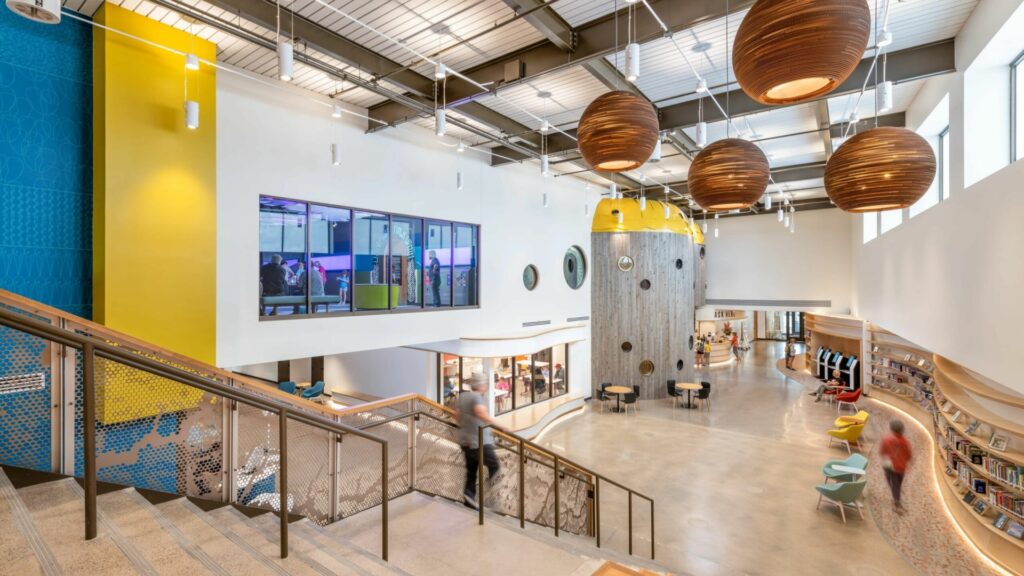
School library tables are more than just furniture. They are the backbone of a productive learning environment.
A well-designed library table layout can transform a space. It encourages collaboration and supports individual study.
Choosing the right materials is crucial. Wood, metal, and laminate each offer unique benefits.
Wood library tables provide a classic look. They are durable but may need more care.
Metal tables are sturdy and often more affordable. They are perfect for high-traffic areas.
Laminate tables are easy to clean and versatile. They come in various colors and designs.
Size and shape matter too. Tables should fit the space and meet user needs.
This guide will help you navigate the options. From layout to materials, sizes, and buying tips, we cover it all.
Why School Library Tables Matter
School library tables are essential components of educational spaces. They support reading, studying, and group projects.
A functional library table layout can enhance accessibility. It allows students and staff to move freely and efficiently.
The tables serve as hubs for collaboration and individual concentration. They facilitate a range of activities, fostering a dynamic learning environment.
Consider these core functions of school library tables:
- Facilitate Focus: Provide dedicated spots for quiet study and research.
- Promote Collaboration: Support group work and interactive learning.
- Enhance Organization: Offer storage solutions to keep resources accessible.
- Support Technology: Include features like power outlets for digital tools.
The importance of school library tables goes beyond functionality. They also contribute to the aesthetics of the library space. Properly selected tables can complement the overall design and theme.
In sum, school library tables are vital for maximizing space usage and enhancing learning experiences. They influence the dynamics within a library, impacting both atmosphere and productivity. Investing in high-quality, suitable tables is key to crafting an engaging and efficient educational environment.
Planning the Perfect Library Table Layout
Designing the layout of library tables requires thoughtful consideration. The arrangement impacts usability and overall efficiency.
First, assess the size of the library. Measure dimensions to understand spatial constraints and possibilities.
Remember to consider foot traffic patterns. High-traffic areas need wider aisles for easy movement.
Plan for different user needs. Include spaces for both individual study and group activities.
When setting up the layout, think about these key elements:
- Flexibility: Allow for easy reconfiguration of tables and chairs.
- Visibility: Position tables to maximize supervision of students.
Ensure that there is ample spacing between tables and chairs. Sufficient space prevents crowding and promotes comfort.
Consider future growth and adaptability in your design. Flexible layouts accommodate changing library needs.
For a dynamic space, try arranging tables in varying shapes and patterns. This can create more engaging and interactive environments.
Use pathways to guide movement throughout the library. Clear routes help users navigate the space effortlessly.
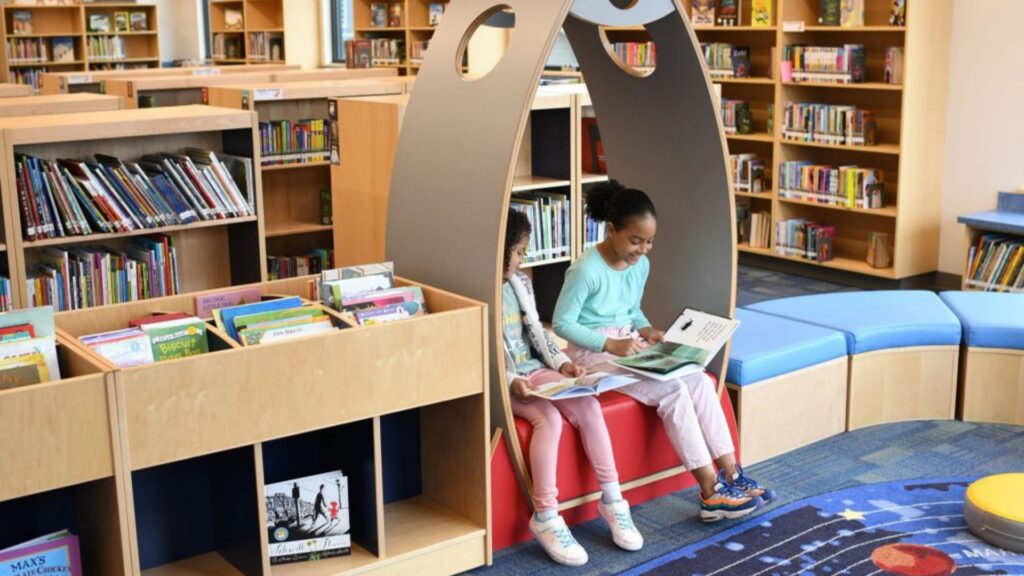
Consider technology integration while planning your layout. Make sure tables near power outlets support digital device usage.
Finally, collaborate with students and staff. Their feedback can be invaluable in creating a functional library space.
By thoughtfully arranging school library tables, you create an environment that supports learning and engagement. The right layout can transform a library into a vibrant educational hub.
Choosing the Right Materials for Library Tables
Selecting the right materials for library tables is crucial. The choice affects durability, maintenance, and aesthetics.
Different materials offer different benefits. Understanding the pros and cons will guide better decisions.
Wood, metal, and laminate are popular materials. Each has unique characteristics suitable for diverse needs.
To make an informed choice, consider the library’s usage patterns. High-traffic areas might need sturdier materials.
Here are some material considerations:
- Durability: Wood is known for its longevity. Metal offers sturdiness, while laminate is easy to clean.
- Appearance: Wood provides a classic look. Metal can add a modern touch, and laminate offers versatility in colors.
Also, consider budget constraints. Metal tables can be more affordable compared to solid wood.
Evaluate the ease of maintenance. Laminate surfaces are typically easier to clean than wood.

Materials influence noise levels too. Wood can be quieter than metal, which may impact the library’s ambiance.
Think about environmental impact as well. Some materials are more eco-friendly than others, if sustainability matters.
Finally, it’s essential to match tables with other library furniture. Cohesion in furniture design enhances the space visually.
Wood Library Tables: Classic and Durable
Wood library tables are timeless. They offer durability and a sophisticated appearance suited for any library.
The richness of wood adds warmth to spaces. It creates an inviting environment conducive to reading and studying.
Beyond aesthetics, wood is robust. It’s more resistant to wear and tear, ideal for bustling school libraries.
Here are benefits of wood library tables:
- Longevity: Generally lasts longer with proper care.
- Aesthetic Appeal: Offers a classic look unmatched by other materials.
- Comfort: Natural texture is pleasing to touch.
However, wood tables require maintenance. Regular polishing can keep them looking fresh and vibrant.

Consider the maintenance they require when deciding. The effort can be worthwhile for the elegance they bring.
Wood tables also often come with customization options. This flexibility allows tailored designs to fit specific aesthetics.
Metal and Laminate Options: Modern and Practical
Metal and laminate tables offer practicality and modern flair. Both materials are well-suited to busy environments.
Metal tables are incredibly sturdy. They withstand significant use without showing wear quickly.
Laminate is versatile and low-maintenance, perfect for active school libraries needing easy-care furniture.
Here are the features of metal and laminate tables:
- Sturdiness: Metal handles high usage without deteriorating.
- Color Options: Laminate provides various colors and patterns.
- Affordability: Often more budget-friendly compared to solid wood.
Metal tables can add a sleek, modern touch to the library. They are an excellent choice for contemporary spaces.

Laminate tables offer design flexibility. They’re available in patterns that can mimic other materials like wood.
When picking between metal and laminate, consider ease of cleaning and potential for noise. Metal can be noisier.
Overall, both metal and laminate options present functional choices for modern school libraries aiming for durability and style.
Library Table Sizes and Shapes: What to Know
Choosing the right sizes and shapes for library tables is essential. These choices impact user comfort and space utilization.
Library tables come in diverse shapes and sizes. Each has its unique role in enhancing the library environment.
Rectangular tables are common, offering ample workspace. They’re perfect for individual study and group discussions.
Round and oval tables promote interaction. They fit seamlessly into communal spaces encouraging teamwork.
Square tables are versatile, working well alone or pushed together for larger gatherings.
When determining size, consider available space. Allow for easy movement around tables to avoid congestion.
Here are factors to consider for table sizes:
- Space Availability: Ensure tables fit without overcrowding.
- User Needs: Decide based on average group sizes.
- Future Flexibility: Accommodate potential rearrangements or library expansions.
Besides standard sizes, some manufacturers offer custom options. This flexibility can perfectly cater to specific needs.
Choosing the right shape also involves aesthetic considerations. Match table shapes with the overall library design style.
Finally, take into account storage spaces. Tables with built-in storage can maximize library efficiency and organization.
Standard Sizes and Custom Options
Standard library tables come in a range of sizes. They fit typical library scenarios, making selection easier.
However, custom tables offer benefits. They are designed to meet specific spatial and functional requirements.
Standard table dimensions include:
- Individual Study: 24 x 48 inches.
- Small Group: 30 x 72 inches.
- Large Group: 48 x 96 inches.
Custom options, however, provide flexibility. They’re ideal for libraries with unique layouts or specific design themes.
Custom tables can integrate special features. For example, built-in charging outlets are increasingly popular.

The decision between standard and custom should reflect budget constraints. Custom designs may entail higher costs.
Ultimately, blend functionality with aesthetics. Both standard and custom tables can beautifully enhance a library’s ambiance.
Ergonomics and Accessibility
Ergonomics in library table design ensures user comfort. Proper table height and chair adjustments reduce strain during use.
Addressing ergonomics is essential. It enhances the library experience for both students and staff.
Consider the following ergonomic factors:
- Table Height: Adjustable to fit various users.
- Legroom: Sufficient space for comfortable seating.
- Surface Area: Enough space for books, devices, and other materials.
Tables must also meet accessibility standards. Ensure easy access for users with disabilities.
An inclusive library space empowers all users. Equitable access to resources fosters a productive learning environment.

Finally, ergonomics impact long-term health. Good design reduces the risk of discomfort and physical strain.
Choose tables thoughtfully to support user well-being. Ergonomics and accessibility are critical in creating an inclusive and efficient library space.
Library Tables and Chairs: Creating Cohesive Spaces
Creating a cohesive library space involves harmonizing tables and chairs. The right combination enhances the aesthetic and functional aspects of the library.
Start by considering the overall design theme. Whether traditional or modern, ensure the furniture reflects this theme consistently.
Materials play a significant role in creating harmony. For example, wood library tables paired with matching wood chairs exude a timeless elegance.
The color palette should also align. Use complementary shades to maintain visual appeal and prevent a chaotic look.

Functional coordination is equally important. Chairs should fit comfortably under tables, allowing easy movement and seating changes.
When selecting chairs, prioritize ergonomics and durability. Supportive chairs paired with well-sized tables improve user comfort.
Features to look for in chairs include:
- Adjustable Heights: Cater to users of varying heights.
- Sturdy Construction: Ensure longevity and maintenance ease.
- Comfortable Cushions: Enhance prolonged study sessions.
Consider the overall flow of the library space. Arrange tables and chairs to promote interaction and efficient movement.
Finally, engage with users for feedback. Incorporate their insights on comfort and functionality for an optimized library environment.
A cohesive layout of library tables and chairs enriches the library experience, making it inviting and functional for everyone involved.
Features to Look for in Modern Library Study Tables
Modern library study tables are more than just a flat surface. They are designed to support the evolving needs of students and educators.
One significant feature to consider is built-in technology support. Tables with power outlets and USB ports facilitate digital learning and device charging.
Look for study tables with flexible design options. Some tables can be reconfigured to suit varying group sizes and activities.

Storage solutions are also key. Tables that incorporate drawers or shelves help keep the workspace organized.
When choosing a study table, prioritize durability. The materials should withstand frequent use and be resistant to wear.
A list of essential features includes:
- Technology Integration: For a tech-friendly environment.
- Adjustable Heights: To cater to varied user needs.
- Storage Facilities: For books and supplies organization.
Choose tables that offer ease of mobility. Tables with wheels can be easily rearranged for different setups.
Lastly, consider the table’s compatibility with existing library furniture. Aesthetic unity can enhance the library’s visual appeal.
These features not only elevate the functionality of study tables but also contribute to a productive and modern library environment.
Buying Guide: How to Choose the Best Library Table for Sale
Finding the right library table involves several key considerations. Understanding your needs is the first step in the buying process.
Start by analyzing the purpose of the tables. Will they be used for individual study, group work, or a combination of both?
When thinking about materials, consider durability and maintenance. Wood provides classic beauty but may need more care.
For high-traffic areas, explore metal or laminate options. They offer sturdiness and come in various modern designs.
Evaluate your budget constraints carefully. Prioritizing the quality and longevity of materials can offer better value over time.
Consider the different sizes available. Ensure the table dimensions fit your library’s space without overcrowding it.
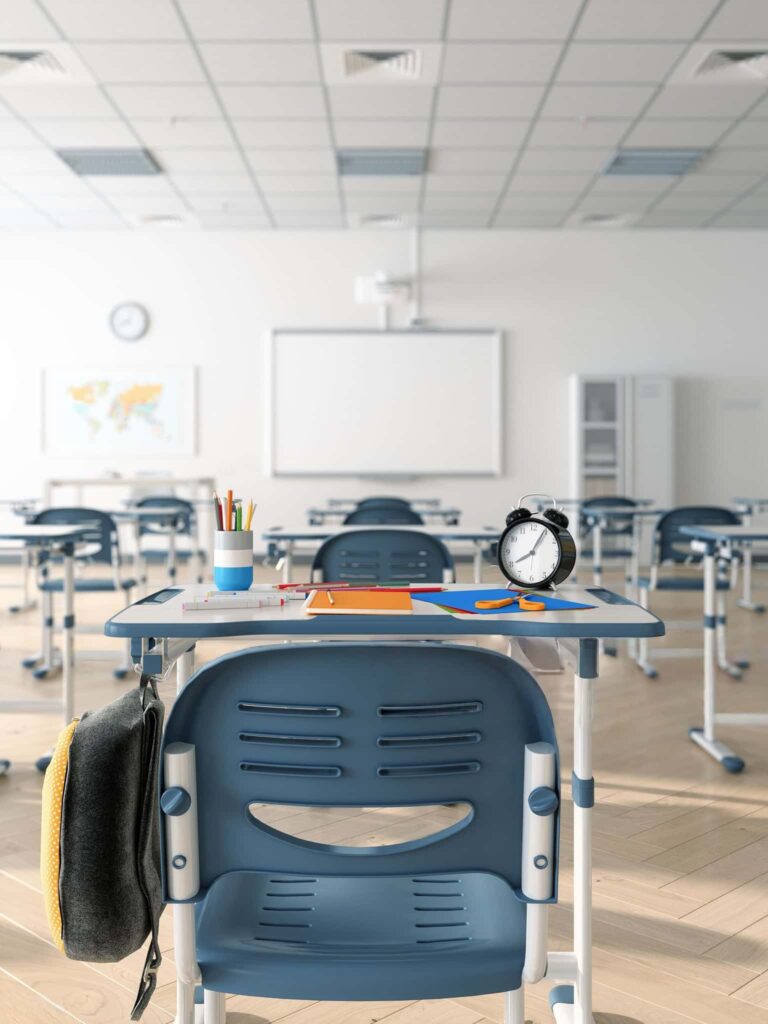
School Furniture
Key Considerations
- Budget vs. Quality: Balance your finances with the quality and longevity of the table.
- Material Choices: Decide between wood, metal, or laminate based on aesthetics and practicality.
Always look for warranties and return policies. These offer protection in case the table doesn’t meet expectations.
Purchasing Tips
- Reputation of Supplier: Choose tables from reputable sellers with positive reviews.
- Sales and Discounts: Keep an eye on sales events or discounts offered by suppliers.
Before finalizing your purchase, consider multi-purpose tables. These can adapt to different activities, offering added flexibility.
Look for eco-friendly certifications. If sustainability matters, ensure the table materials are responsibly sourced.
Finally, consult with furniture designers if possible. Their expertise can guide you toward making an optimal choice for your library.
Maintenance, Safety, and Sustainability Considerations
Maintenance is crucial for keeping library tables in prime condition. Regular cleaning extends their lifespan and maintains a welcoming look. Consider tables that require minimal upkeep to reduce long-term costs and effort.
For safety, especially in schools with young students, tables with rounded edges are ideal. These designs reduce the risk of injury during daily use. Always ensure that the tables meet educational safety standards.

Sustainability should be part of your selection criteria. Opt for tables made from sustainable materials, such as certified wood or eco-friendly laminates. This choice contributes to a lower environmental impact and aligns with green initiatives.
Sustainable Practices
- Material Selection: Choose eco-friendly materials like sustainably sourced wood.
- Product Lifecycle: Consider tables that can be recycled at the end of their lifespan.
- Certifications: Look for recognized eco certifications to ensure standards are met.
By focusing on these aspects, you enhance the learning environment while supporting safety and sustainability goals. Prioritizing these factors not only benefits your library but also the broader community.
Frequently Asked Questions About School Library Tables
Choosing the right school library tables involves many factors. Here are some common questions to help guide your decision-making process.
What is the ideal table size for a school library?
The best size depends on the library’s space and the number of users. Small study tables and larger communal tables offer flexibility. It’s important to measure your space and plan accordingly.
How do I maintain library tables effectively?
Regular cleaning with appropriate products keeps tables looking new. Check the manufacturer’s guidelines for specific care instructions. Routine maintenance will prolong the life of the furniture.
Which materials are best for school library tables?
Wood, metal, and laminate are popular choices, each with different benefits. Consider durability, aesthetics, and budget when deciding. Wood offers classic appeal, while metal and laminate are more modern and practical.
Common Concerns
- Durability: Select materials that withstand heavy use.
- Budget Constraints: Look for sales or discounts.
- Safety: Ensure tables have smooth edges for student safety.
These FAQs aim to address key concerns and help you make informed decisions. Selecting the right tables enhances the learning environment.
Conclusion: Creating Inspiring Library Spaces
Creating an inviting library requires careful planning and thoughtful choices. The right school library tables can transform the space. They not only serve functional purposes but also foster an atmosphere for learning and creativity.
By considering layout, materials, and features, you can select tables that meet your school’s needs. Focus on combining style with practicality. The end result will be a cohesive space that inspires students and supports educational goals.