
Meta Description: Discover how strategic hotel seating arrangements and furniture placement create better guest experiences. Learn why proper spacing, comfort, and accessibility matter in hospitality design.
Understanding the Importance of Hotel Seating Arrangements in Modern Hospitality
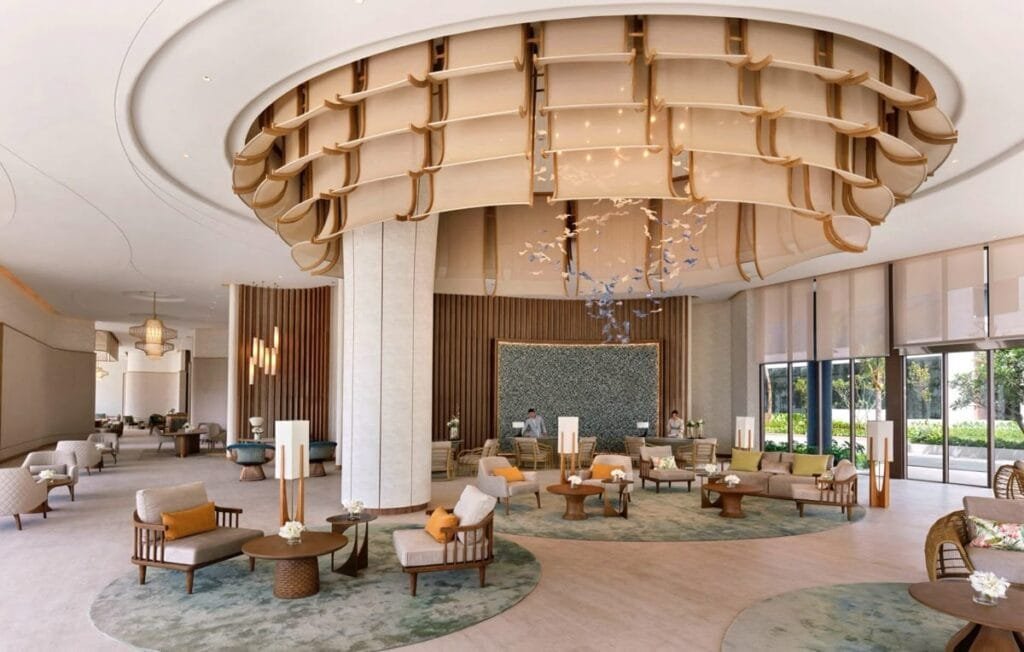
When guests arrive at your hotel, the first thing they notice is how the space welcomes them. Hotel seating arrangements play a crucial role in this initial impression and throughout the entire stay. The way you position furniture, organize seating clusters, and design guest spaces directly impacts satisfaction levels and operational efficiency.
Strategic hotel seating arrangements do more than provide places for guests to sit—they create an environment where hospitality staff can deliver exceptional service. Well-planned seating layouts encourage natural guest flow, facilitate staff accessibility, and support the core principle that every guest interaction matters. Hotels that invest in thoughtful seating design see measurable improvements in guest satisfaction scores and positive online reviews.
The relationship between furniture placement and guest experience goes beyond aesthetics. Proper seating arrangements in hotel lobbies, dining areas, and lounges establish boundaries, encourage socialization, and provide privacy where needed. This balance between accessibility and comfort transforms ordinary spaces into memorable environments that guests want to return to.
The Core Principles Behind Effective Hotel Seating Design
Proximity and Guest Accessibility
Guest accessibility should be a cornerstone of your hotel seating strategy. When seating is positioned strategically throughout your property, it enables staff to approach guests more easily and offer assistance. This principle mirrors the hospitality industry’s best practice of creating meaningful interactions with guests at critical touchpoints.
Your hotel seating should encourage natural movement patterns. Guests should be able to identify where to sit without confusion, and staff should be able to reach seated guests without navigating around obstacles. Open layouts with clear sightlines help both guests and staff navigate the space comfortably.
The Psychology of Comfortable Seating Spaces
Guests spend significant time evaluating hotels based on comfort. Hotel seating that provides proper support, appropriate cushioning, and correct dimensions encourages guests to linger in common areas. When guests feel physically comfortable, they’re more likely to relax, engage with hotel amenities, and leave positive reviews.
Ergonomic seating design specifically addresses the needs of diverse guests. Seats that support proper posture prevent discomfort during extended periods. Armchairs with adequate support, sofas with firm cushions, and dining chairs with appropriate seat heights all contribute to an overall impression of quality and care.
The psychology of seating also includes perceived value. Guests expect hotel seating to feel more upscale than residential furniture, even in budget properties. Durable materials, thoughtful design, and quality construction signal to guests that the hotel values their comfort and respects their investment.
Creating Flexible and Multifunctional Seating Solutions
Modern hotel guests expect flexibility and choice. Your seating arrangement should accommodate different guest needs—some want social spaces for collaboration, while others seek quiet corners for work or relaxation. Multifunctional seating solutions address these varying preferences without requiring major renovations.
Modular seating systems allow you to reconfigure spaces for different occasions. Dining areas can transform into casual meeting spaces. Lounge chairs can be grouped for conversation or separated for privacy. This flexibility maximizes your property’s functionality and improves overall guest satisfaction.
Multifunctional seating often includes integrated features like built-in power outlets, storage compartments, and adjustable components. These additions enhance utility and demonstrate that your hotel anticipates guest needs. Guests appreciate seating that supports both leisure and productivity.
Hotel Seating Types and Their Specific Guest Benefits
Lobby and Reception Seating Arrangements
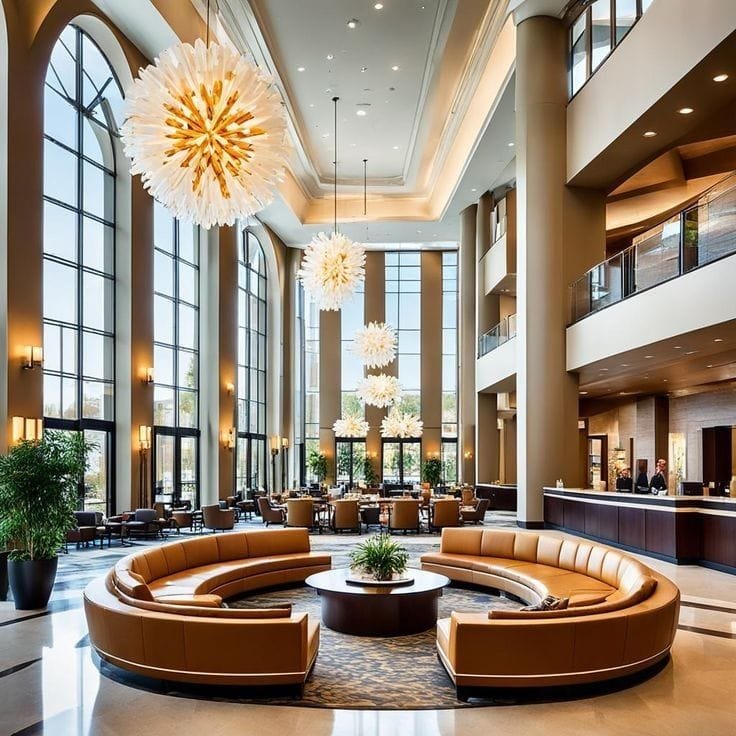
Your hotel lobby seating creates the critical first impression. Reception area seating should be positioned to encourage guests to wait comfortably during check-in while maintaining clear sightlines for staff engagement. Lobby sofas and armchairs arranged in conversational groupings invite guests to relax and orient themselves to the property.
Effective lobby seating includes a mix of options—upholstered chairs for comfort, ottomans for foot support, and coffee tables to create gathering points. When these elements are arranged thoughtfully, they create zones that feel intentional rather than accidental. Guests perceive well-designed lobby seating as a sign of hotel quality.
The strategic placement of lobby seating also supports hotel operations. When seating encourages guests to settle into specific areas, staff can monitor and service these zones more efficiently. This operational benefit directly supports better guest service and safety.
Dining and Restaurant Seating Configuration
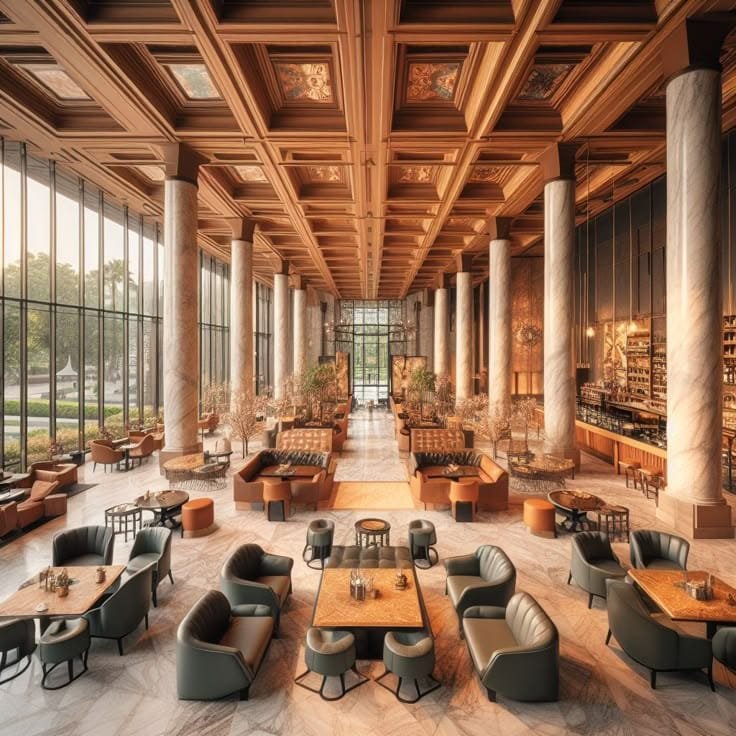
Restaurant seating represents a significant opportunity to enhance guest experience. Proper dining seating spacing ensures that staff can approach tables easily to take orders, serve food, and check on guest satisfaction. Restaurant tables spaced appropriately allow servers to provide attentive service without intruding on guest privacy.
Hotel dining seating should accommodate different group sizes. Tables that can be combined or separated offer flexibility for solo diners, couples, and larger groups. Comfortable dining chairs with proper back support encourage guests to linger over meals, increasing food and beverage revenue while enhancing their experience.
Acoustics in dining areas are often overlooked but crucial. Seating arrangements that include sound-absorbing elements help create an intimate dining atmosphere. Guests enjoy restaurant spaces where they can hear their companions without shouting over background noise.
Guest Room Seating and Relaxation Spaces
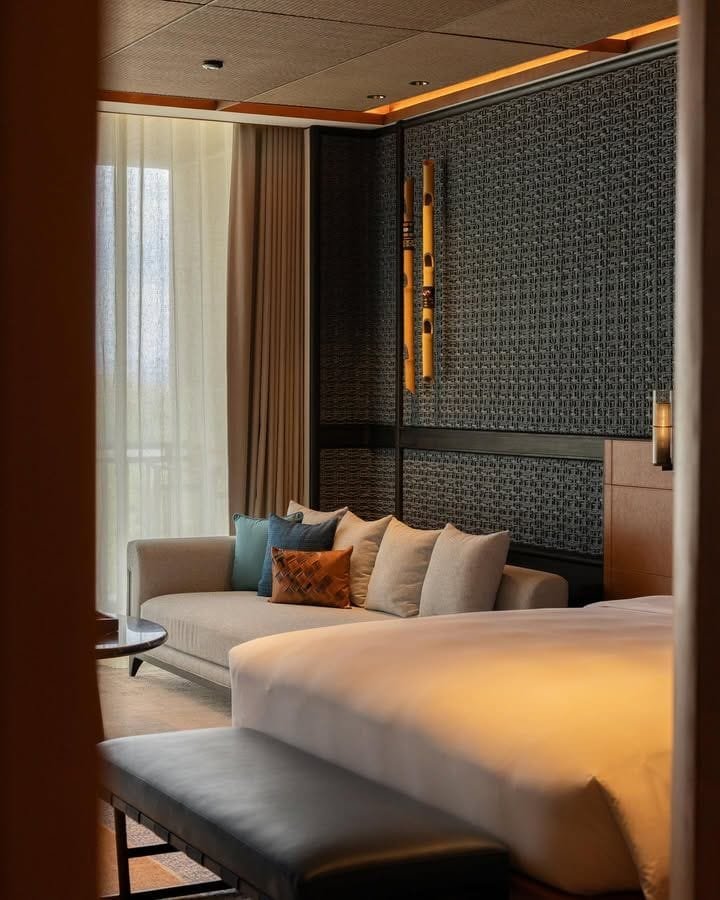
Guest room seating serves both functional and psychological purposes. A comfortable chair or seating area in the room gives guests a space to work, relax, or unwind. Room seating should be positioned to take advantage of views or natural light when possible.
Modern guest rooms increasingly include small seating areas beyond just the bed. An armchair with a side table creates a dedicated relaxation zone. This seating option encourages guests to spend time in their rooms, improving perceived value and satisfaction. Guests often cite comfortable room seating as a memorable feature in online reviews.
Guest room seating should also support the practical needs of contemporary travelers. Proximity to electrical outlets, small tables for laptops, and good lighting all contribute to functional seating design that guests appreciate.
Outdoor Patio and Terrace Seating
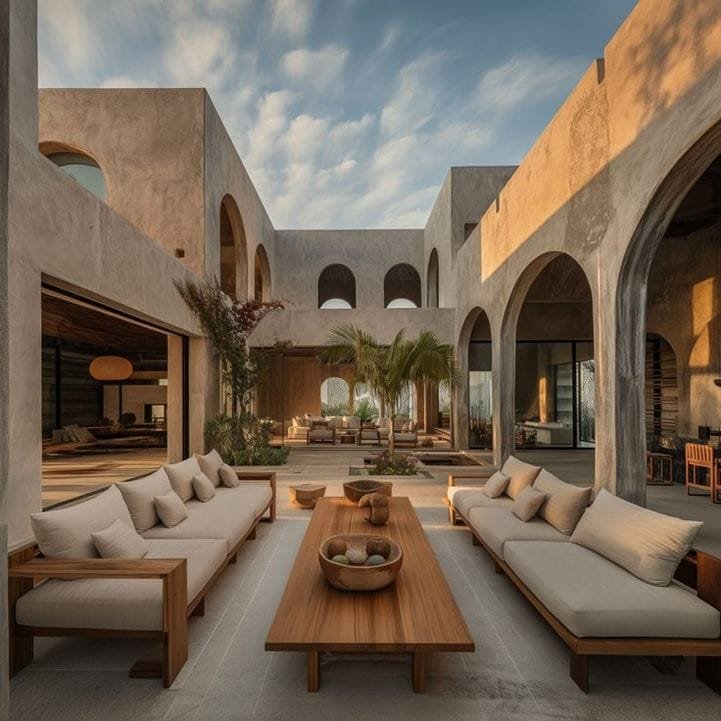
Outdoor seating spaces extend your hotel’s usable area and provide guests with options for fresh air and relaxation. Patio furniture and terrace seating should be weather-resistant, durable, and comfortable. Quality outdoor seating encourages guests to explore all areas of your property.
Outdoor seating arrangements should include both social and private options. Bench seating, lounge chairs, and small group tables give guests choices for how they want to enjoy outdoor spaces. Strategic placement of shade structures and landscaping elements makes outdoor seating spaces inviting even during less ideal weather.
Designing Hotel Seating for Durability and Long-Term Value
Material Selection and Construction Standards
Hotel seating must withstand constant use and maintain its appearance over years of guest interaction. Material selection is fundamental to achieving durability without compromising comfort or aesthetics.
Quality hotel seating typically features kiln-dried hardwood frames at stress points, providing structural integrity that survives heavy use. Engineered plywood supports are more stable than solid construction in some applications, particularly for large pieces. The foundation of durable hotel seating starts with these structural elements.
Upholstery materials for hotel seating must meet industry performance standards. Look for fabrics rated for commercial-grade durability that exceed consumer expectations. Performance fabrics resist staining, fading, and abrasion while maintaining comfort. Leather or high-performance synthetic materials offer additional durability benefits for heavily used spaces.
Finishes applied to hotel seating should resist moisture, humidity, and daily wear. Multi-layer catalyzed finishes protect wood veneers from scratches and stains. Sealed edges with moisture-tolerant adhesives protect seating from spills and environmental factors. These finish standards ensure that hotel seating maintains its appearance and quality throughout its lifespan.
Maintenance Protocols for Extended Seating Life
Investing in quality hotel seating is only half the equation—proper maintenance extends the life and preserves guest experience. Regular inspection of seating identifies wear patterns and enables preventive maintenance before issues become visible to guests.
Fabric cleaning should follow manufacturer recommendations and occur regularly to prevent staining and odor buildup. Professional cleaning of heavily used pieces maintains appearance and hygiene standards. For leather seating, conditioning treatments preserve flexibility and prevent cracking.
Wood frame and veneer maintenance includes monitoring for moisture damage, particularly in humid climates or near water features. Protective coatings should be reapplied as needed. Seat cushions in high-use areas may require replacement before wooden frames wear out—planning for this maintenance extends overall seating life.
Guest feedback about seating condition should be taken seriously. Stains, tears, or worn cushions detract from the guest experience and signal poor maintenance. Addressing these issues promptly demonstrates commitment to guest satisfaction.
Strategic Hotel Seating Placement to Support Staff Operations
Facilitating Staff-to-Guest Interactions
The placement of hotel seating directly impacts how easily staff can interact with guests. When seating is arranged in open clusters rather than tight rows, staff have natural pathways to approach guests. This accessibility enables proactive service—staff can offer assistance before guests need to request it.
Seating arrangements that face public areas rather than walls encourage staff to notice guests more easily. A guest seated in a lobby armchair facing the reception desk is easier for staff to engage than one tucked into a corner. Strategic positioning of seating increases natural interaction opportunities.
Reception area seating should allow staff to maintain clear sightlines from desks and service points. When staff can see waiting guests easily, they can address needs promptly and adjust staffing as crowds grow or shrink. This visibility supports both guest service and operational efficiency.
Creating Clear Pathways and Traffic Flow
Well-designed hotel seating contributes to logical traffic flow throughout your property. Guests should be able to navigate from the entrance through the lobby to restaurants, elevators, and other areas without confusion or feeling blocked.
Seating arrangements should define spaces without creating obstacles. Strategic placement of furniture guides guests along intended routes while keeping pathways clear. When guests can move through your hotel easily, they perceive the property as well-organized and guest-focused.
Traffic flow analysis during design phases prevents future problems. Consider how guests with luggage, wheelchairs, or children in strollers will navigate around seated guests. Accessible pathways that accommodate diverse mobility needs demonstrate inclusive design thinking.
Seating Density and Crowd Management
The amount of seating available in your property affects how guests perceive crowding and comfort. Lobby seating should provide enough capacity during peak periods without overwhelming the space. Insufficient seating creates bottlenecks and frustration; excessive seating makes spaces feel empty or impersonal.
Strategic seating placement allows you to distribute guests across different areas rather than concentrating them in a single lobby. Lounge seating on multiple floors, reading areas near dining, and outdoor seating options spread guest distribution. This reduces congestion and improves overall guest flow.
During special events or high-occupancy periods, modular seating systems allow temporary adjustments. Adding seating can accommodate larger groups; removing seating creates space for events or renovations. This flexibility extends the utility of your property.
Customizing Hotel Seating to Reflect Brand Identity
Furniture Selection That Communicates Brand Values
Every seating choice in your hotel communicates something about your brand. Luxury hotels often feature upholstered pieces in fine materials that signal premium positioning. Contemporary hotels might choose clean-lined modern furniture that reflects innovation. Boutique properties often feature curated, artistic seating that creates unique identity.
Your seating selections should be consistent across the property while allowing subtle variations that keep spaces interesting. Lobby seating might be more formal and upscale, while casual dining areas feature relaxed styles. This consistency with variation reinforces brand identity while preventing monotony.
Sustainable and eco-friendly seating options increasingly appeal to conscious travelers. Furniture made from recycled materials, sustainably harvested wood, or non-toxic finishes communicates environmental commitment. This choice attracts environmentally minded guests and enhances brand reputation.
Customization Options and Design Flexibility
Many hotel furniture manufacturers now offer customization options that allow you to create unique seating solutions. 3D modeling services let you visualize how seating will appear in your specific space before purchase. Custom upholstery colors and patterns can match your brand palette exactly.
Customization extends to functional aspects of hotel seating. Built-in power outlets, USB charging ports, and device storage address modern guest needs. Tables with integrated lighting, shelving, or writing surfaces increase functionality. These custom features make seating more valuable to guests and differentiate your property from competitors.
Layout customization through modular systems allows you to adapt as your property evolves. As guest preferences change or you renovate different areas, modular seating adapts to new configurations. This flexibility protects your investment over time.
Measuring Success: Hotel Seating Impact on Guest Satisfaction
Guest Feedback and Review Analysis
Guest reviews provide direct insight into how seating arrangements affect satisfaction. Comments about comfort, cleanliness, and overall lobby atmosphere often reflect seating quality and placement. Positive reviews frequently mention “comfortable seating” as a memorable feature.
Sentiment analysis tools can categorize guest feedback by location and feature type. Tracking mentions of seating comfort, crowd levels, and noise in reviews helps identify areas needing improvement. Real-time alerts about negative seating-related feedback allow quick responses.
Comparative analysis between your property and competitors’ reviews can reveal seating-related advantages or shortcomings. If competitors consistently receive praise for comfort while your reviews are neutral, seating upgrades might be warranted.
Quantitative Guest Satisfaction Metrics
Guest satisfaction surveys should include specific questions about seating comfort and lobby atmosphere. Tracking satisfaction scores over time shows whether seating improvements positively impact overall guest experience. These metrics often correlate with repeat booking rates and recommendation likelihood.
Occupancy rates and booking patterns can indirectly reflect seating quality. Properties with superior seating arrangements often see higher occupancy and command better room rates. When guests feel comfortable and well-cared-for, they’re willing to pay premium prices and return for future stays.
Net Promoter Score (NPS) surveys might include specific questions about facility comfort and amenities. High NPS scores associated with physical comfort improvements suggest that seating investments contribute to guest loyalty.
Operational Efficiency Improvements
Beyond guest satisfaction, well-designed seating improves operational efficiency. When seating facilitates staff movement and guest flow, staff spend less time navigating and more time delivering service. Operational improvements reduce labor costs while improving service quality.
Staff feedback about seating arrangements provides operational perspective. Frontline employees notice how seating design affects their ability to serve guests, maintain sight lines, and manage crowds. Their input about what works and what creates challenges should inform design decisions.
Revenue optimization through enhanced guest experience often offsets seating investment costs. Guests who experience superior comfort and service spend more on ancillary services and return more frequently. Seating investments that improve guest experience typically generate positive ROI within months.
Implementation Strategy: Optimizing Your Hotel Seating Arrangements
Assessment and Planning Phase
Begin by evaluating your current seating arrangements against guest feedback and operational observations. Identify areas where guests congregate, where they seem uncomfortable, or where traffic flows poorly. These problem areas are ideal candidates for seating improvements.
Conduct a detailed audit of existing seating condition. Document wear patterns, stains, and structural issues. This audit helps prioritize replacements and identifies which pieces still meet standards. A comprehensive inventory also helps plan phased replacements within budget constraints.
Consult with your guest-facing staff about seating challenges they encounter. Housekeeping staff notice stains and damage; bellhops observe how luggage interacts with furniture; front desk agents see guest reactions to seating. Staff insights provide frontline perspective that guests might not express directly.
Design and Selection Process
Work with furniture specialists who understand hospitality requirements. They can help translate your brand vision into appropriate seating selections. Professional designers consider traffic flow, aesthetics, durability, and budget simultaneously.
Create mock-ups or sample installations before committing to full rollout. Testing new seating in select areas allows evaluation of comfort, durability, and impact on guest flow before large investments. Guest feedback during test phases informs final decisions.
Budget planning should include not just purchase price but delivery, installation, and training. Hidden costs in seating projects often include custom dimensions, fabric treatments, or assembly requirements. Comprehensive budgeting prevents project delays or cost overruns.
Implementation and Guest Communication
Phased implementation allows your property to maintain full operation during seating upgrades. Prioritize high-impact areas like lobbies and dining spaces where guest experiences are most significantly influenced. Subsequent phases can address secondary spaces.
Communicate seating improvements to guests through your website, social media, and in-property signage. Guests appreciate knowing about property enhancements. Marketing property improvements helps justify premium pricing and attracts returning guests interested in updated accommodations.
Staff training ensures everyone understands how new seating layouts support guest service. Briefings about traffic flow, accessibility features, and maintenance requirements help staff maximize the benefits of seating investments.
Ongoing Optimization and Maintenance
After implementation, gather guest and staff feedback about seating effectiveness. Guest surveys specifically addressing the new arrangements provide quantitative data. Open communication channels where guests and staff can suggest adjustments identify improvement opportunities.
Establish regular maintenance schedules and monitor compliance. Proactive maintenance prevents small issues from becoming visible problems that damage guest perception. Well-maintained seating demonstrates ongoing commitment to guest experience.
Monitor guest satisfaction metrics after seating improvements to measure impact. Track relevant metrics like guest satisfaction scores, repeat booking rates, and review sentiment about comfort and amenities. Positive trends validate the investment and build business cases for additional improvements.
Competitive Advantage Through Superior Hotel Seating Design
Hotels in competitive markets differentiate through excellence in guest experience details. Superior seating design represents one such detail that influences guest perception and satisfaction. Guests may not consciously analyze furniture choices, but they absolutely feel the difference when seating is thoughtful versus generic.
Properties known for exceptional comfort gain reputation advantage in booking decisions. Online reviews emphasizing comfort and quality contribute significantly to search visibility. Guests seeking comfortable hotels increasingly read reviews mentioning specific amenities like seating quality.
Investing in premium, well-designed seating sends a powerful message that your property prioritizes guest comfort. This commitment translates into guest loyalty, positive reviews, premium pricing, and operational efficiency. In hospitality, such investments in guest experience typically demonstrate strong returns within reasonable timeframes.
Your commitment to excellent seating design—considering comfort, accessibility, durability, and aesthetics—creates an environment where guests feel valued. This fundamental sense of being cared for transforms ordinary hotel stays into memorable experiences. Guests return to hotels where they felt genuinely comfortable and well-served.
Conclusion: Seating Design as a Core Hospitality Investment
Strategic hotel seating arrangements represent far more than furniture selection—they’re investments in guest experience, operational efficiency, and brand identity. Thoughtfully designed seating spaces communicate that your property values guest comfort and thoughtful service.
The most successful hospitality properties recognize that every element of the physical environment impacts guest perception. Seating arrangements that facilitate staff engagement, encourage guest flow, provide comfort, and reflect brand identity become part of your competitive advantage.
As guest expectations continue to evolve, the importance of comfortable, accessible, well-designed seating only increases. Properties that invest in superior seating arrangements position themselves as leaders in guest-centric hospitality. These properties attract more guests, command premium pricing, and build loyalty that drives long-term success.
Your next step: evaluate your current seating arrangements through the lens of guest comfort and operational efficiency. Identify opportunities for improvement, develop a strategic upgrade plan, and communicate enhancements to your guests. The result will be improved satisfaction scores, positive reviews, enhanced operational efficiency, and a stronger competitive position in your market.