
Choosing the best wood for furniture like dining tables, bedroom sets, kitchen cabinets, or outdoor pieces dramatically boosts durability, aesthetics, and long-term value in hotels, homes, offices, and commercial spaces. This comprehensive 2026 guide explores hardwood vs softwood comparisons, the most durable wood types for furniture, affordable solid wood furniture options, and expert insights from manufacturers like Hongye Furniture on selecting solid wood furniture pros and cons for specific applications.
Whether you’re sourcing custom wood furniture, renovating a restaurant, or outfitting a luxury hotel lobby, understanding wood types for outdoor furniture, best wood for kitchen cabinets, and sustainable wood options for bedroom furniture ensures smart investments. We’ll cover Janka hardness ratings, grain patterns, pricing, maintenance, and more to help you decide between oak vs walnut for bedroom furniture, pine vs oak for kids’ pieces, and emerging trends like eco-friendly acacia or reclaimed timber.
Expanded Wood Types Comparison Chart
Quickly compare 15+ popular woods used in solid wood furniture with this detailed table, featuring updated Janka hardness ratings, moisture resistance, sustainability scores, and best wood types for specific furniture pieces. Data draws from industry standards for hardwood vs softwood for furniture decisions.
| Wood Type | Durability | Moisture Resistance | Price Range | Sustainability | Best For (Furniture Applications) |
|---|---|---|---|---|---|
| Oak (Red/White) | High | Good | $$ | High | Dining tables, cabinets, hotel lobby chairs |
| Walnut (Black) | High | Excellent | $$$ | Medium | Bedroom sets, luxury headboards, desks |
| Maple (Hard) | Very High | Very Good | $$ | High | Kitchen islands, counter stools, bar cabinets |
| Cherry | Medium | Good | $$$ | Medium | Bookcases, entertainment centers, heirloom desks |
| Mahogany | Medium-High | Excellent | $$$$ | Low | Outdoor/upholstered frames, tropical sofas |
| Teak | Very High | Superior | $$$$ | Medium | Patio sets, humid area seating, poolside benches |
| Pine (White) | Low | Fair | $ | High | Kids’ furniture, rustic country tables, budget beds |
| Birch | High | Good | $$ | High | Plywood overlays, modern chairs, overlays |
| Ash | High | Fair | $$ | Medium | Sports frames, bentwood chairs, gym benches |
| Beech | Very High | Good | $$ | High | Benches, toys, curved furniture |
| Acacia | Very High | Very Good | $$ | High | Rustic dining tables, sustainable bedroom sets |
| Hickory | Extremely High | Good | $$$ | Medium | Tool handles, heavy-duty chairs |
| Cedar (Aromatic) | Medium | Excellent | $$ | High | Closet chests, outdoor storage cabinets |
| Poplar | Low-Medium | Fair | $ | High | Painted furniture, drawer sides |
| Rubberwood | Medium | Good (treated) | $ | Very High | Budget kids’ desks, plantation-sourced tables [kraycustomrefinish] |
This chart highlights most durable wood for dining tables (oak, maple) vs affordable wood types for custom furniture (pine, poplar), aiding quick hardwood vs softwood comparison.
Hardwoods vs Softwoods: Key Differences for Furniture Buyers
Understanding Hardwood vs Softwood for Furniture
Hardwoods come from deciduous trees (oak, maple) and dominate premium solid wood furniture due to density and longevity. They score higher on the Janka scale (e.g., maple at 1,450 lbf), resisting dents in high-traffic spots like hotel lobbies or family dining rooms.
Softwoods from conifers (pine, cedar) offer affordable solid wood furniture with lighter weight and easier machining, ideal for kids’ furniture or quick-turn projects. However, they dent easily (pine: 380 lbf), suiting low-use rustic styles.
Solid wood furniture pros and cons: Hardwoods provide heirloom quality but cost more; softwoods save 40-60% yet require frequent refinishing. For best wood for kitchen cabinets, choose hard maple’s moisture resistance over pine’s absorbency.
Janka Hardness Scale Explained
The Janka test measures resistance to indentation—a steel ball’s force to embed halfway. Scores above 1,000 suit daily wear: hickory (1,820) tops for industrial chairs; mahogany (800) fits decorative frames. Use this for most durable wood types for furniture decisions.
Oak Wood for Furniture: Timeless Strength
Oak, especially red oak vs white oak for furniture, reigns as the best wood for dining tables with 1,200-1,360 Janka hardness and prominent grain that hides scratches. White oak’s tighter pores excel in oak wood for cabinets, resisting moisture better than red oak.
Pros: Shock-resistant, widely available, takes stains evenly; Cons: Yellows over time, prone to splitting without sealant.
Ideal for solid oak dining tables, hotel bar stools, and flooring-integrated benches. In 2026, quartersawn “tiger oak” trends for Arts & Crafts revival pieces.
Oak vs pine for furniture: Oak wins durability; pine suits budget rustic accents.

Walnut Wood Characteristics: Luxury Defined
Walnut wood for bedroom furniture delivers a deepening chocolate patina, making it the best wood for headboards. At 1,010 Janka, its even texture machines intricately for custom inlays.
Pros: Ages to richer tones, stable in humidity; Cons: Pricey ($10-15/sq ft).
Oak vs walnut for bedroom furniture: Oak for bold grain; walnut for elegant subtlety in luxury hotels or executive offices.
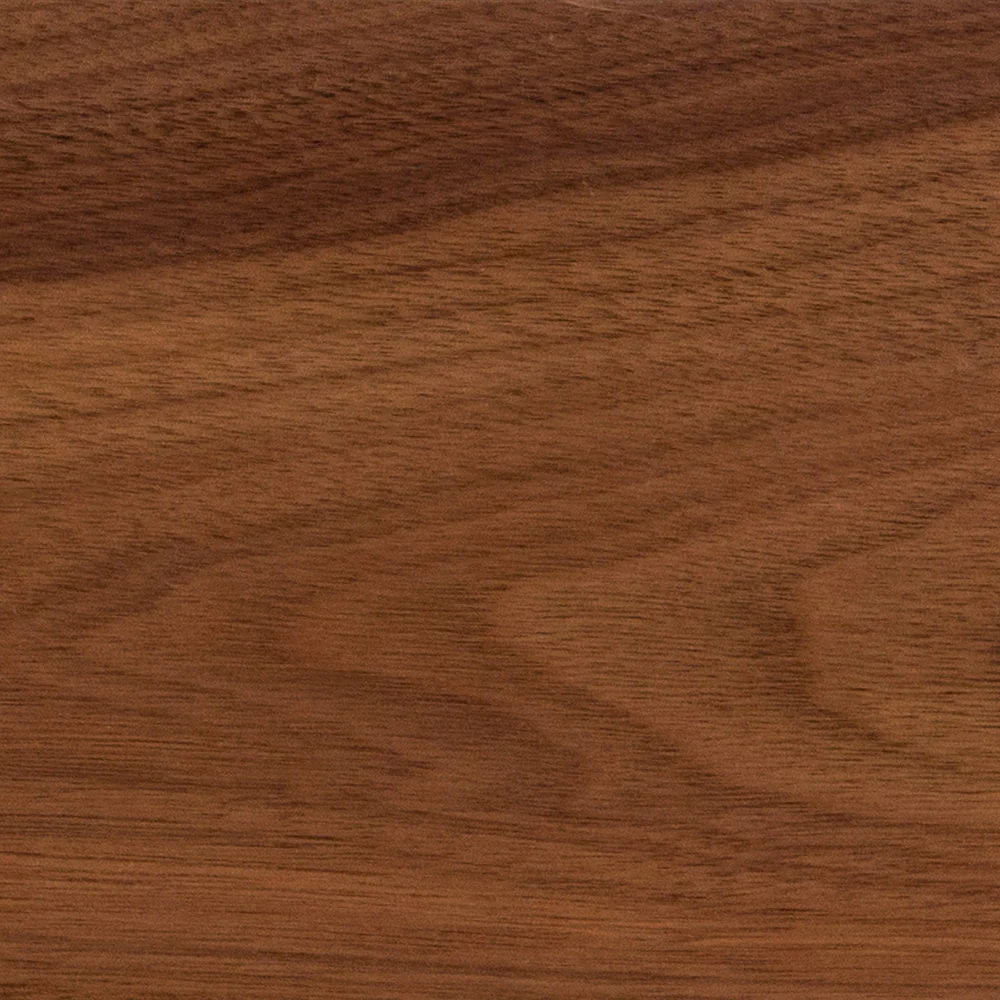
Maple: Best Hardwood for Kitchen Furniture
Hard maple for kitchen cabinets (1,450 Janka) outperforms in moisture-heavy zones with tight grain blocking stains. Best wood for kitchen islands, it mimics pricier grains when painted.
Pros: Smooth finish, high strength; Cons: Brittle edges need reinforcement.
Maple vs cherry for furniture: Maple for utilitarian cabinets; cherry for warm heirlooms.
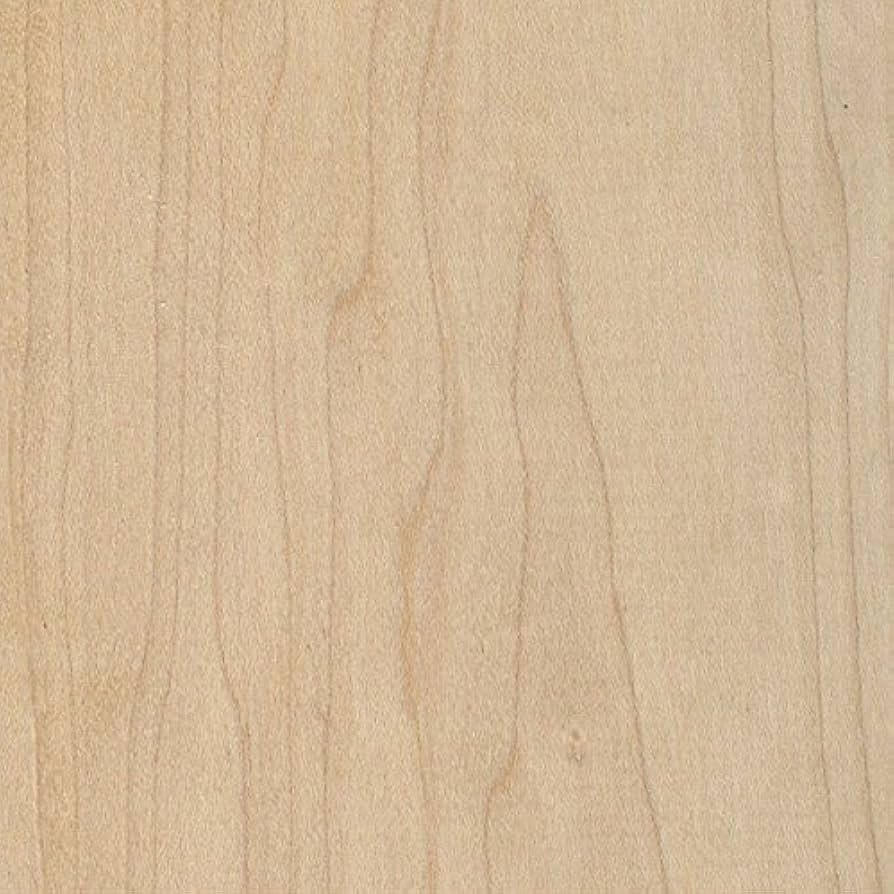
Cherry Wood Pros and Cons: Elegant Aging
Cherry wood furniture shifts from pinkish to deep red, perfect for best wood for desks. Fine grain polishes mirror-like.
Pros: Graceful patina; Cons: UV softens if unprotected. Suits entertainment centers and libraries.
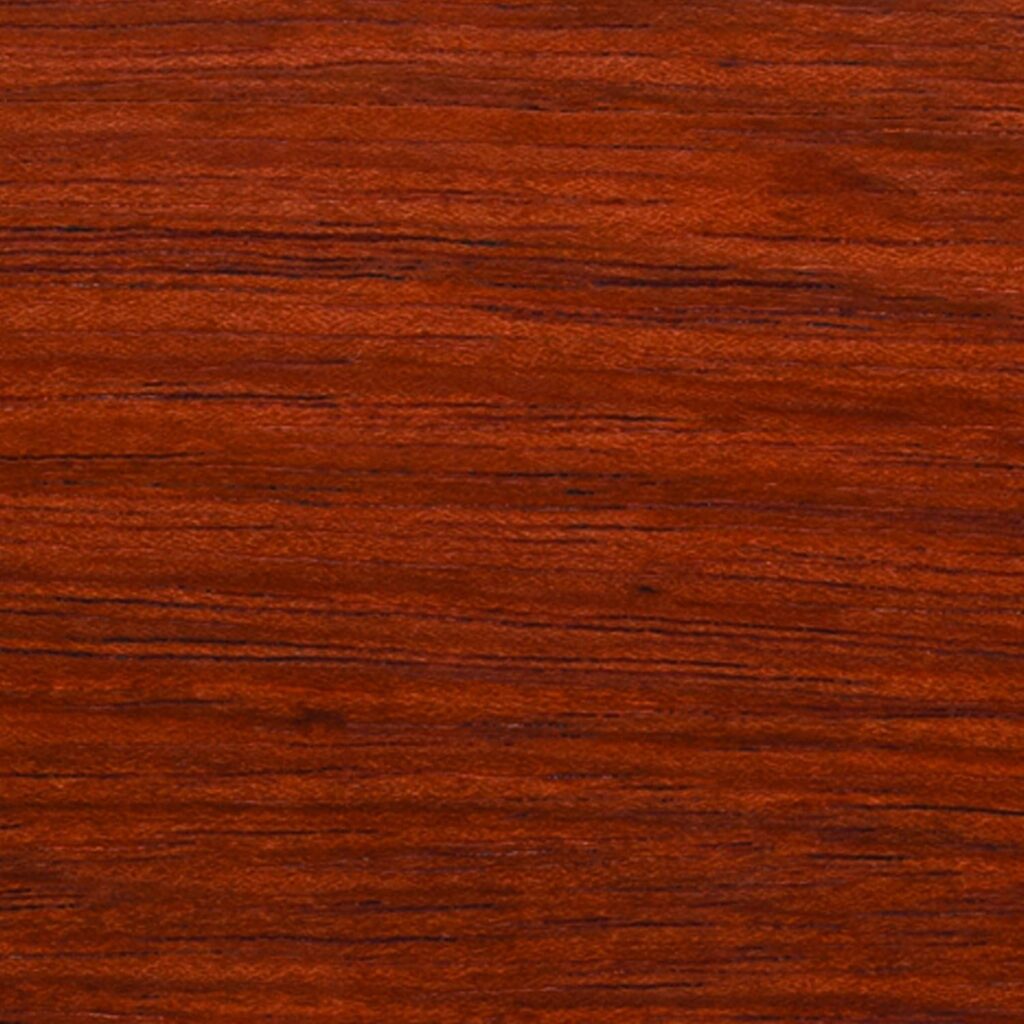
Mahogany for Luxury Furniture: Tropical Resilience
Mahogany outdoor furniture thrives with interlocking grain and rot resistance, ideal for upholstered bases in humid resorts.
Pros: Machines intricately; Cons: Sourcing regulations hike costs.
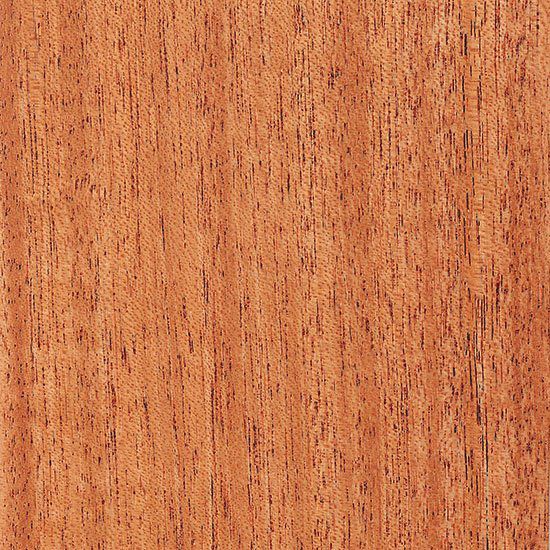
Teak: Top Wood for Outdoor Furniture
Teak wood for patio furniture repels water via oils, weathering gracefully without sealant—the best wood for outdoor furniture 2026.
Pros: Insect-proof; Cons: Sustainable sourcing premiums. Essential for hotel poolside seating.
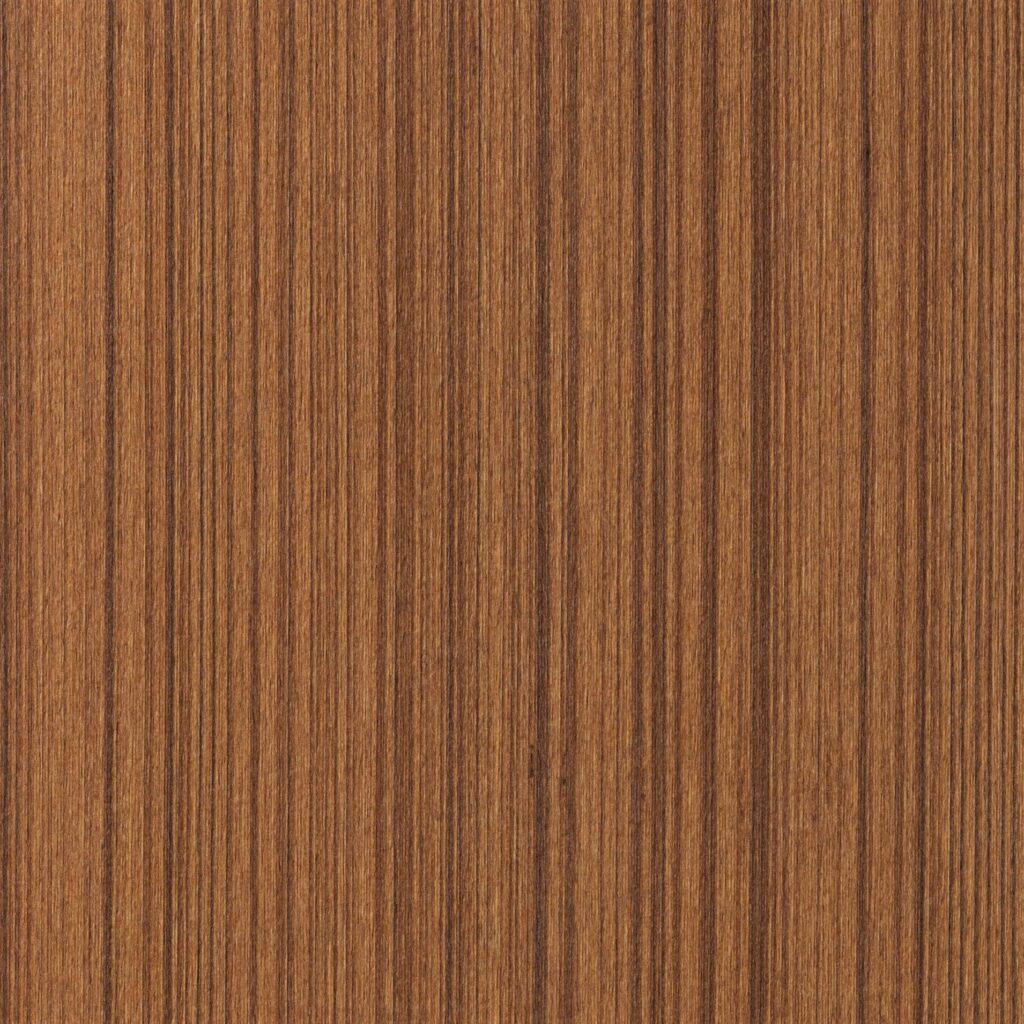
Pine as Affordable Softwood Option
Pine wood furniture offers knotty charm for affordable kids’ furniture, easy to distress for farmhouse vibes.
Oak vs pine for dining tables: Pine for casual; oak for heirlooms.
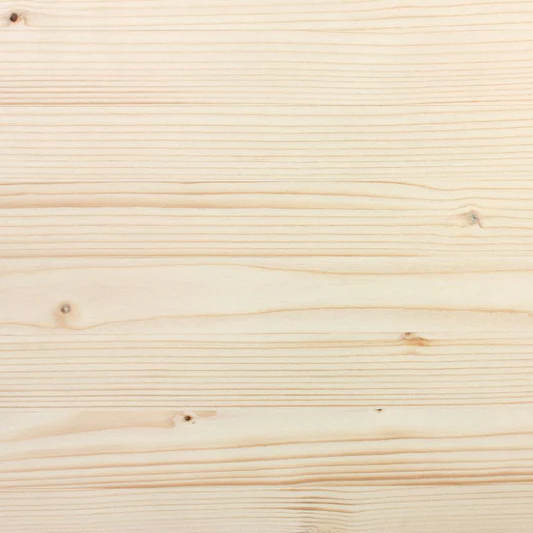
Emerging Woods: Acacia, Hickory & More
Acacia wood furniture surges in 2026 for swirly grains and eco-credentials, rivaling teak at half the price.
Rubberwood pros: Plantation-grown, treated for stability in budget desks
Hickory for heavy-duty chairs: Extreme hardness for commercial use.
How to Choose the Right Wood for Your Furniture
Budget: $ for pine/poplar; $$$$ for teak/mahogany.
Durability: Janka >1,000 for daily use furniture (oak/maple).
Style: Bold (walnut) vs subtle (maple).
Furniture Type: Kitchens: maple/teak; Bedrooms: cherry/walnut; Outdoors: teak/cedar.
Sustainable Options: FSC-certified oak, acacia, rubberwood for eco-friendly wood furniture.
| Scenario | Top Wood Choices | Why? |
|---|---|---|
| Dining Tables | Oak, Hickory | High traffic resistance |
| Kitchen Cabinets | Maple, Beech | Moisture-proof |
| Bedroom Sets | Walnut, Cherry | Warmth, stability |
| Outdoor Furniture | Teak, Acacia | Weather durability |
Wood Furniture Care and Maintenance Tips
- Weekly: Microfiber dust solid wood tables.
- Quarterly: Beeswax oak/maple.
- Seasonal: Re-oil teak; humidify walnut.
Hardwood vs softwood care: Softwoods need coasters; hardwoods tolerate more.
FAQ: Common Questions on Wood Types for Furniture
What is the best wood for dining tables?
Oak or maple for daily durability.
Hardwood vs softwood for furniture: which is better?
Hardwoods for strength; softwoods for affordability.
Oak vs walnut for bedroom furniture?
Oak: bold; walnut: luxury.
What’s the most affordable wood type for custom furniture?
Pine or poplar.
Sustainable wood for bedroom sets?
FSC acacia or rubberwood.[oakandloom]
At Hongye Furniture, we source premium woods for bespoke hotel furniture worldwide, blending custom solid wood projects with expert craftsmanship. Contact us for best wood recommendations tailored to your investment.