
Custom office furniture design lets you create workspaces that match your brand, your workflow, and your space instead of forcing you to adapt to generic pieces. In the United States and worldwide, more companies and home-based professionals are turning to custom office furniture to improve productivity, comfort, and aesthetics.
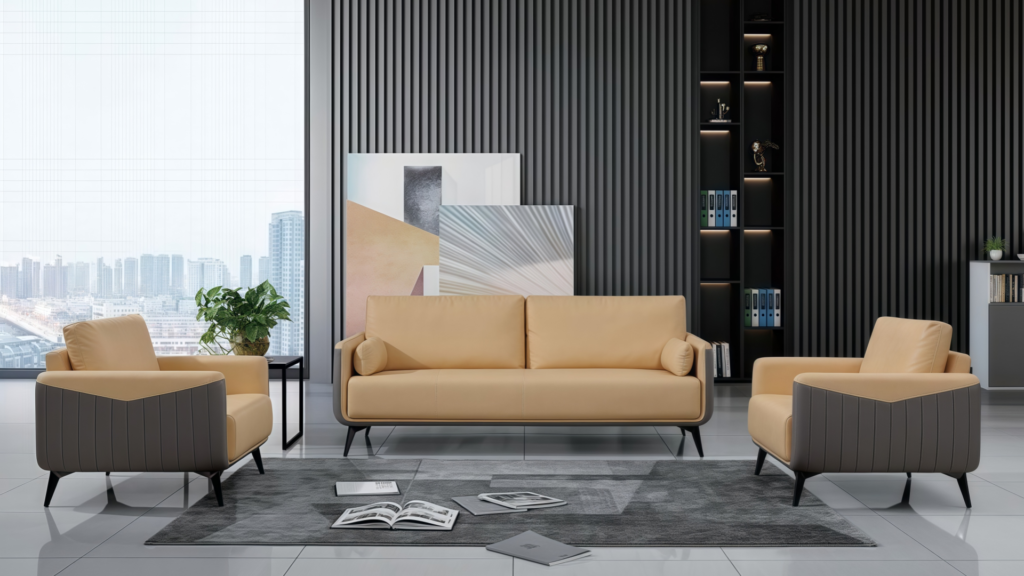
This guide explains what custom office furniture design involves, the main options available, and how to plan a successful project—whether you need custom made commercial furniture for a corporate office or bespoke home office furniture for a dedicated workspace at home. It also highlights real office projects completed by Hongye Furniture Group, showing how custom solutions work in practice.
Why Choose Custom Office Furniture?
Standard office desks and storage units are designed for “average” needs. In reality, every business and home office has unique requirements. Custom office furniture design addresses issues that off-the-shelf pieces cannot solve.
Key benefits include:
- Perfect fit for your space
Works around columns, odd corners, windows, and open-plan layouts. Maximizes usable space in small offices and apartments. - Optimized for your workflow
Configures workstations around specific tasks and equipment. Integrates cable management, power access, and storage exactly where you need them. - Consistent brand image
Aligns colors, materials, and forms with your visual identity. Creates a cohesive look for reception areas, meeting rooms, and open offices. - Ergonomic comfort
Adjusts desk height, depth, and layout to support healthy posture. Adapts for different users, including sit-stand options. - Long-term value
Built with durable materials and hardware. Easier to maintain and reconfigure compared with cheap, disposable furniture.
Types of Custom Office Furniture
Custom office solutions cover both commercial and residential workspaces. The key is selecting the right mix of products for your needs.
Custom Made Commercial Furniture
Custom made commercial furniture is designed for shared office environments, coworking spaces, and client-facing areas.
Typical items include:
- Reception desks and welcome counters
- Workstations and benching systems
- Conference and meeting room tables
- Breakroom and café seating
- Storage walls and filing systems
- Lounge, waiting, and collaboration areas
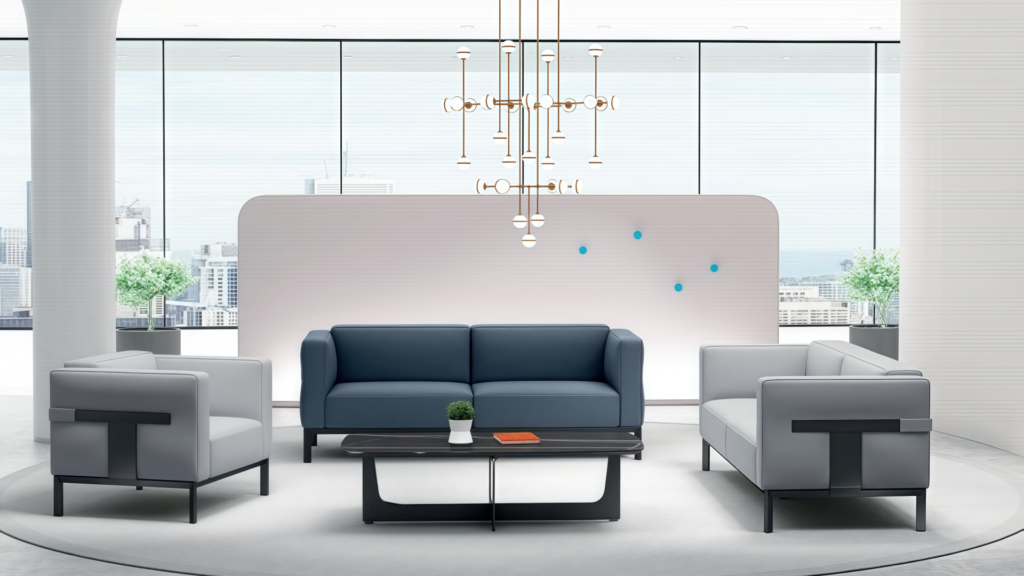
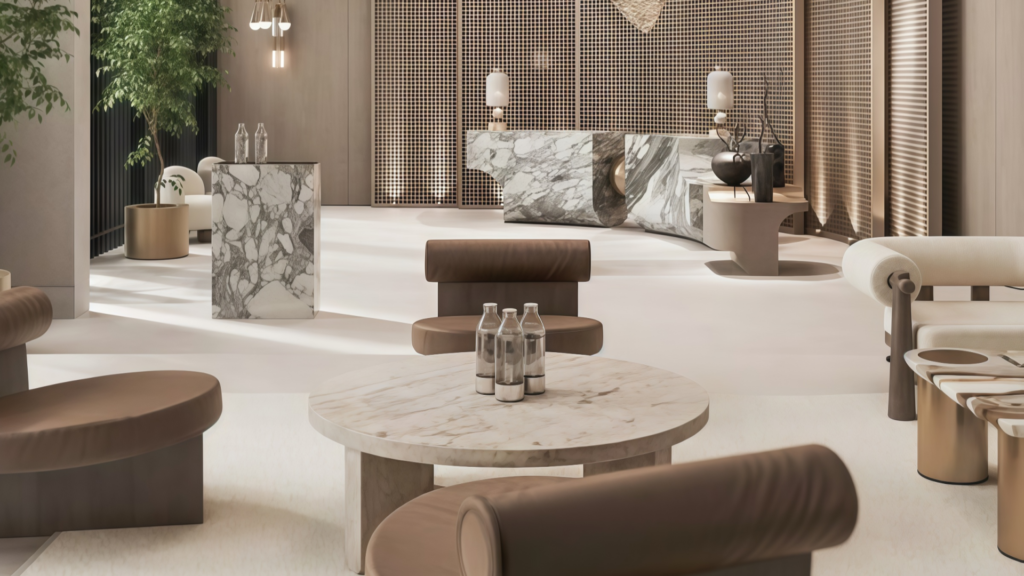
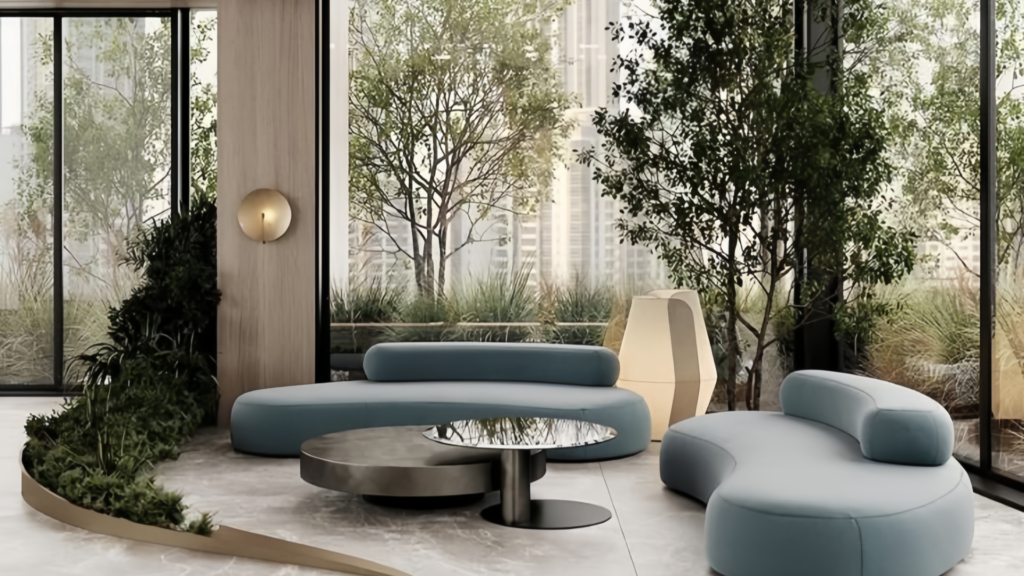
Goals:
- Support team communication and privacy balance
- Manage heavy daily use and cleaning routines
- Present a professional, consistent brand to visitors and staff
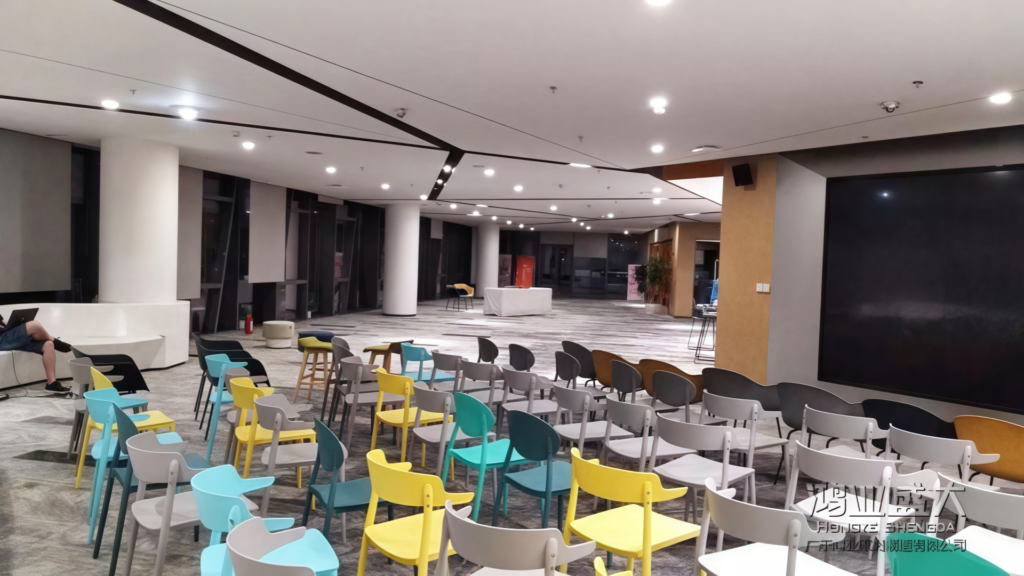
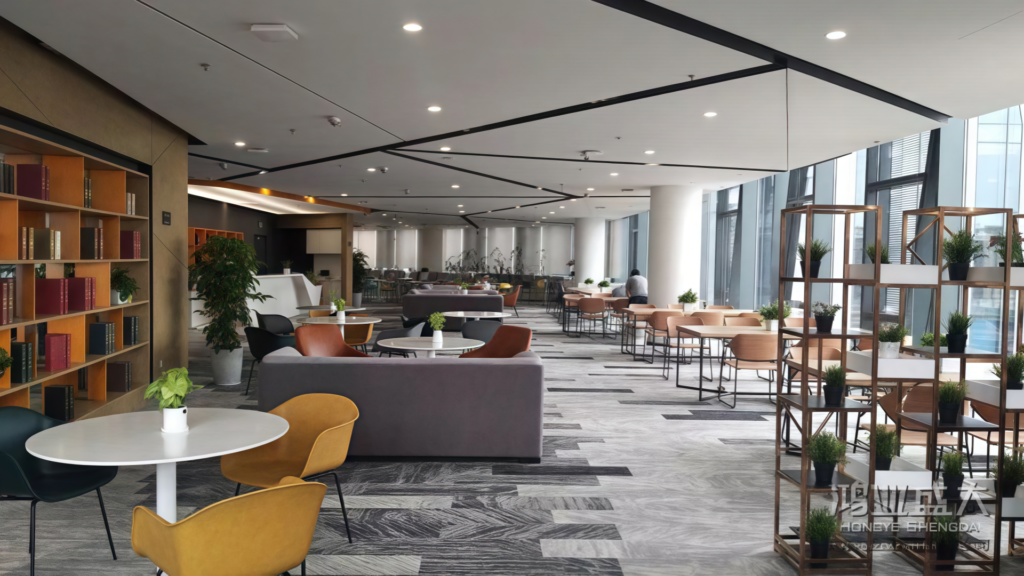
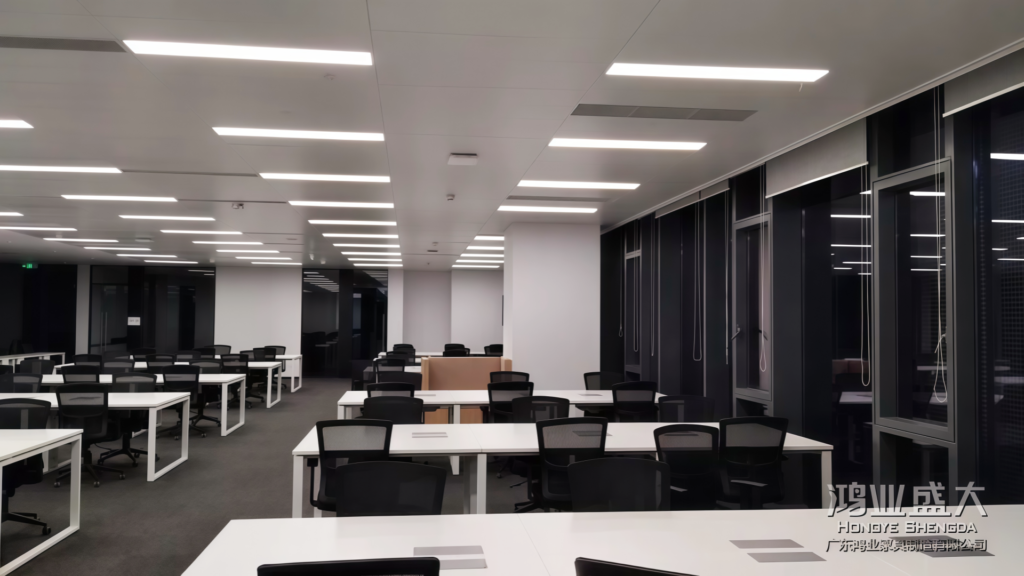
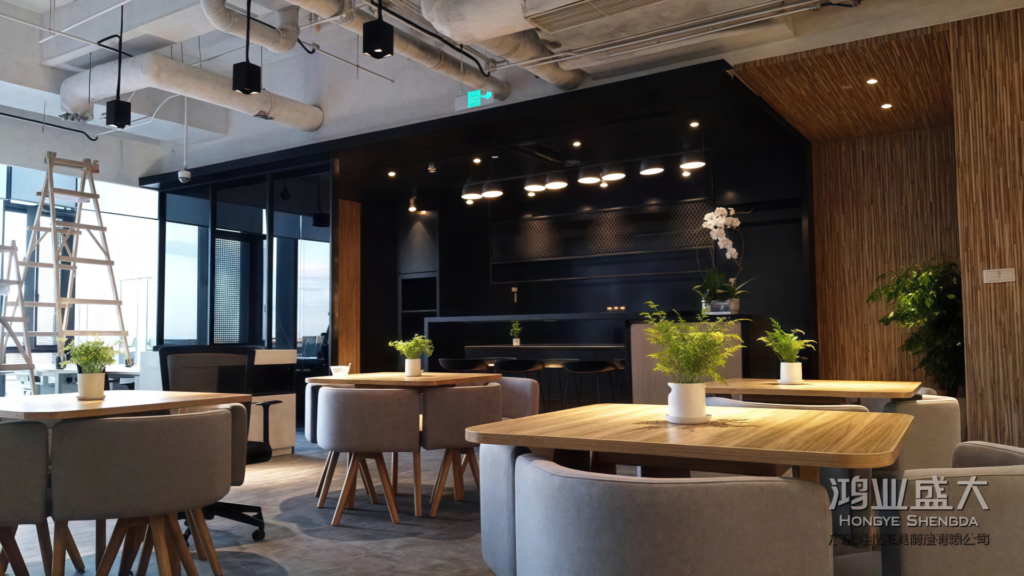
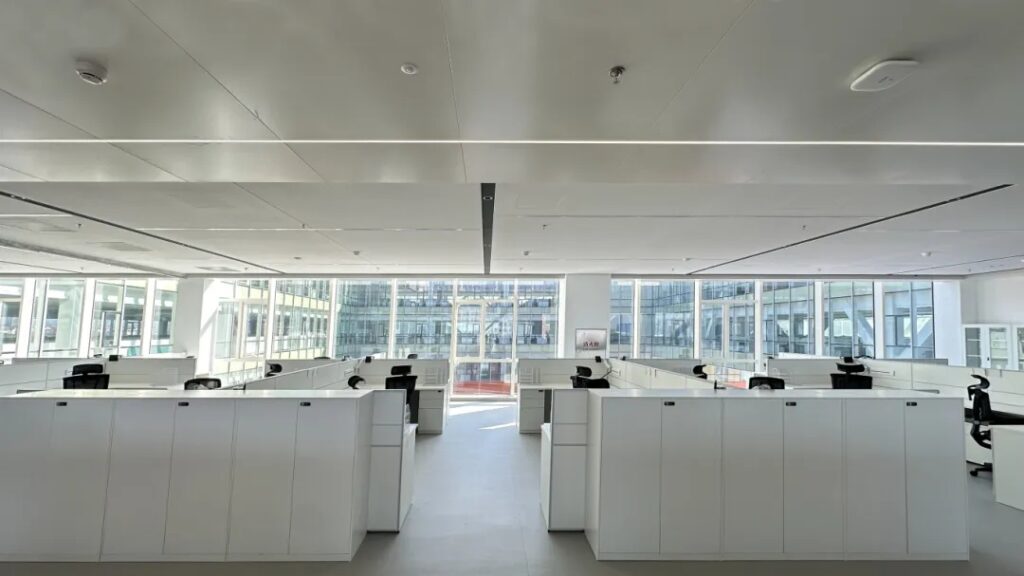
Hongye Furniture Group has delivered many custom commercial office projects. For example, the Alibaba Group Office Project Solution by Hongye Furniture showcases how a large-scale tech workspace can combine modern workstations, collaborative areas, and executive offices in one unified design. This project demonstrates how custom made commercial furniture can support both focused work and high-level collaboration in a fast-paced business environment.
Bespoke Home Office Furniture
As more professionals work remotely, demand for bespoke home office furniture has grown. These solutions blend residential style with commercial-level function.
Common pieces:
- A custom office table or desk tailored to your room size
- Integrated storage (drawers, file cabinets, printer shelves)
- Shelving and display units for books and decor
- Small meeting tables for video calls or client visits
Home offices often sit in shared living space, so aesthetics matter more. You can match your existing interior style while still enjoying a highly functional workspace.
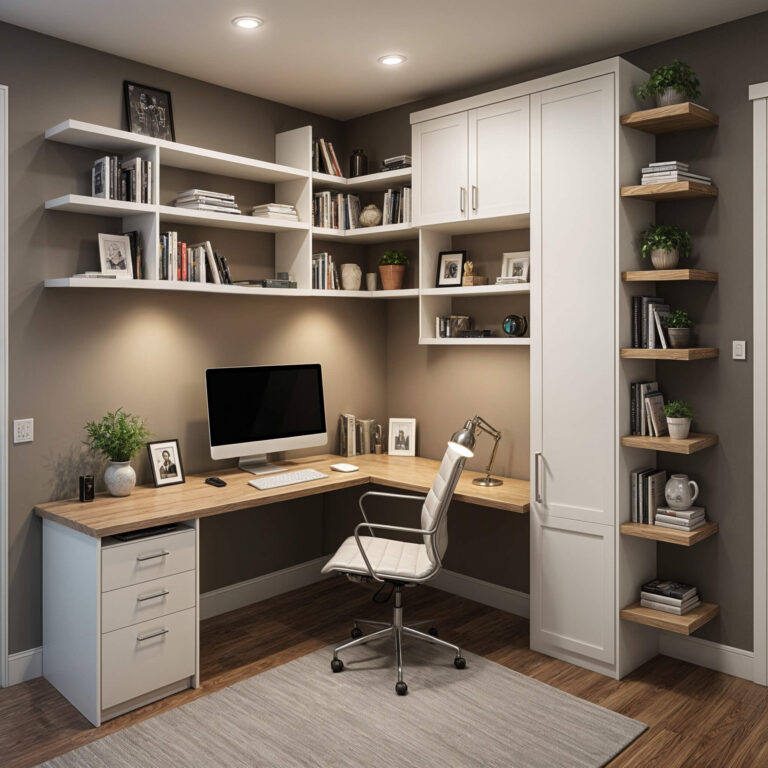
Custom Built-In Office Furniture
Custom built in office furniture uses fixed, wall-to-wall or floor-to-ceiling components. It is ideal when you want to:
- Use every inch of space in niche areas or alcoves
- Combine desk, shelving, and storage in one clean composition
- Keep cables and devices hidden for a minimal look
Built-ins work well in:
- Corporate private offices and executive suites
- Home offices in spare bedrooms or lofts
- Long wall runs in open-plan offices
Core Elements of Customizable Office Furniture
When you plan customizable office furniture, think in terms of “modules” you can combine and adapt.
Key components:
- Desks and custom office tables
Straight, L-shaped, U-shaped, or curved layouts.
Height-adjustable or fixed-height designs.
Integrated modesty panels, power access, and cable channels. - Storage and organization
Overhead cabinets and credenzas.
Filing drawers and lockable cupboards.
Open shelving for books and display items. - Panels and privacy
Desk screens for acoustic and visual separation.
Glass or fabric partitions to define zones. - Integrated technology
Grommets and cable trays.
Monitor arms and CPU holders.
Built-in charging stations and power modules.
By combining these elements, bespoke office furniture design can support individual workstations, team areas, and management offices with the same design language.
Planning Your Custom Office Furniture Design
To get the best result from a custom project, follow a clear planning process.
1. Define Your Space and User Needs
Start with:
- Measurements: room dimensions, window positions, doors, radiators, and sockets.
- Headcount: how many people need desks now and in the near future.
- Work styles: focus work, collaboration, client meetings, or hybrid schedules.
- Equipment: computers, multiple monitors, printers, servers, and specialized gear.
This step is critical for both custom made commercial furniture and custom made home office furniture. It ensures the design reflects real daily use.
2. Set Functional Priorities
Ask:
- Do you need more desk surface or more storage?
- Are privacy and acoustics important?
- How important is flexibility and future reconfiguration?
Use these answers to decide whether to prioritize:
- Larger worktops and custom office tables
- Extra filing and storage walls
- Modular, customizable office furniture that can be rearranged
3. Choose Style and Materials
For bespoke office furniture design, aesthetics are part of the brief, not an afterthought.
Consider:
- Overall style: modern, minimalist, classic, industrial, or a blend.
- Materials: wood veneer, melamine, metal, glass, fabric, or combinations.
- Color palette: neutral bases with brand accent colors, or warm tones for home offices.
In a corporate setting, you may want reception desks and meeting tables that match your brand colors and logo. In a home office, you might choose materials that blend with your living room or bedroom furniture.
4. Plan Ergonomics and Comfort
Good custom office furniture design supports health and productivity.
Focus on:
- Desk height and legroom
- Distance between eyes and screens
- Space for chairs to move in and out
- Placement of frequently used items within easy reach
You can integrate:
- Sit-stand desks
- Keyboard trays
- Monitor arms
- Ergonomic chair compatibility
Case Study: Alibaba Group Office Project by Hongye Furniture
A strong example of custom office furniture in action is the Alibaba Group Office Project Solution by Hongye Furniture。In this project, Hongye Furniture Group provided a complete office furniture solution for one of the world’s leading technology companies.
Key features of the project include:
- Custom workstations that support high-density teams and technology needs
- Meeting rooms with tailored conference tables and presentation layouts
- Reception and public areas that reflect Alibaba’s modern, innovative brand
- Integrated cable management and storage to keep spaces clean and efficient
This project shows how custom made commercial furniture can align with a global brand’s image while supporting daily operations at scale.
Custom Office Table and Workstation Design
A custom office table is often the centerpiece of both commercial and home offices. It can be:
- A large conference table sized exactly to your meeting room
- A shared bench desk with defined positions and cable access
- A home office desk that fits perfectly between two walls
Key design points:
- Length and depth: enough space for devices and paperwork without crowding.
- Height: standard or adjustable, depending on user preference.
- Edge and shape: straight, rounded corners, or special shapes for traffic flow.
- Integration: power boxes, USB ports, data connections, and cable pass-throughs.
When combined with storage and seating, a custom table can solve layout challenges that standard desks cannot address.
Case Study: Tee Yih Jia Food Manufacturing Office Project
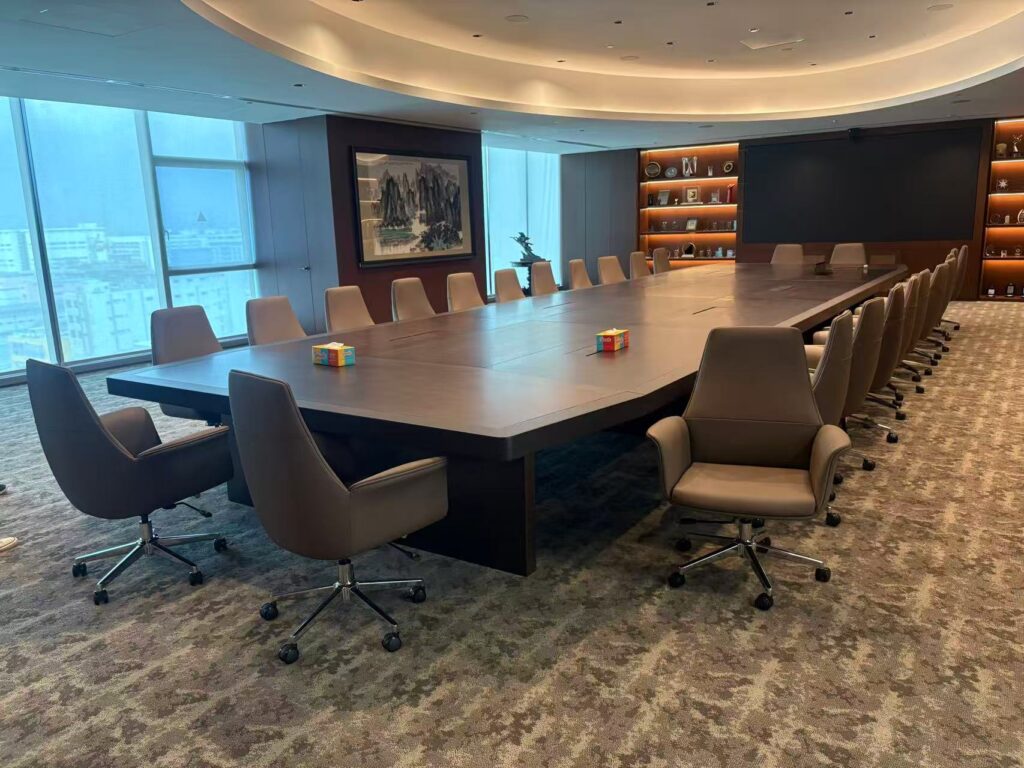
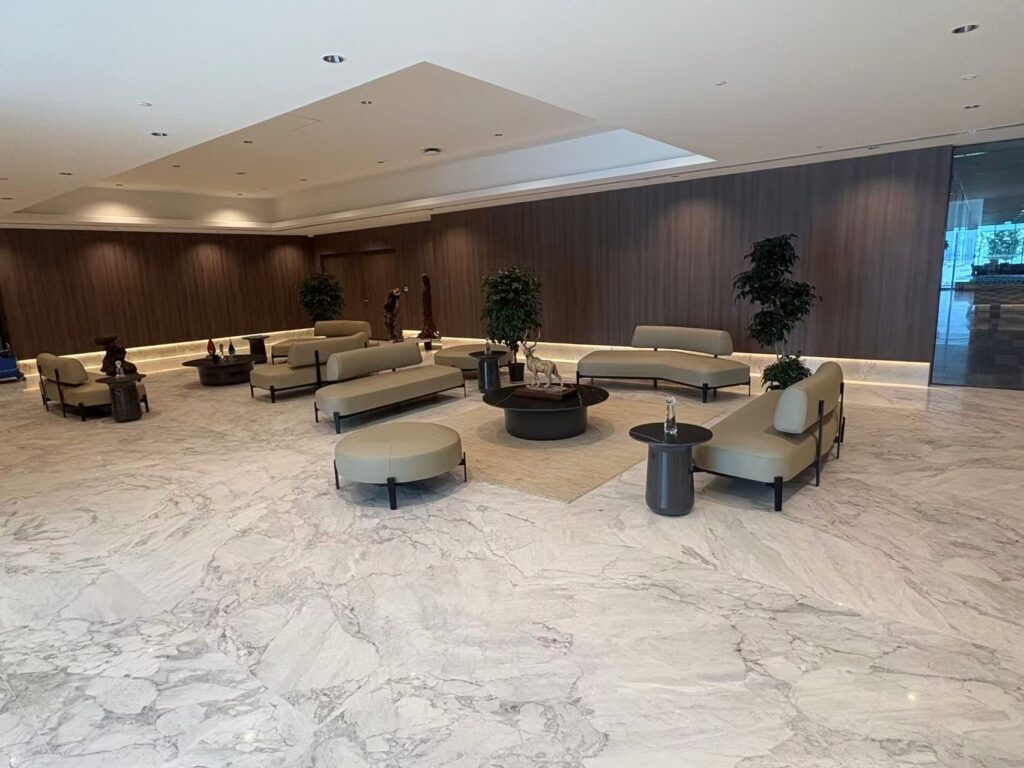
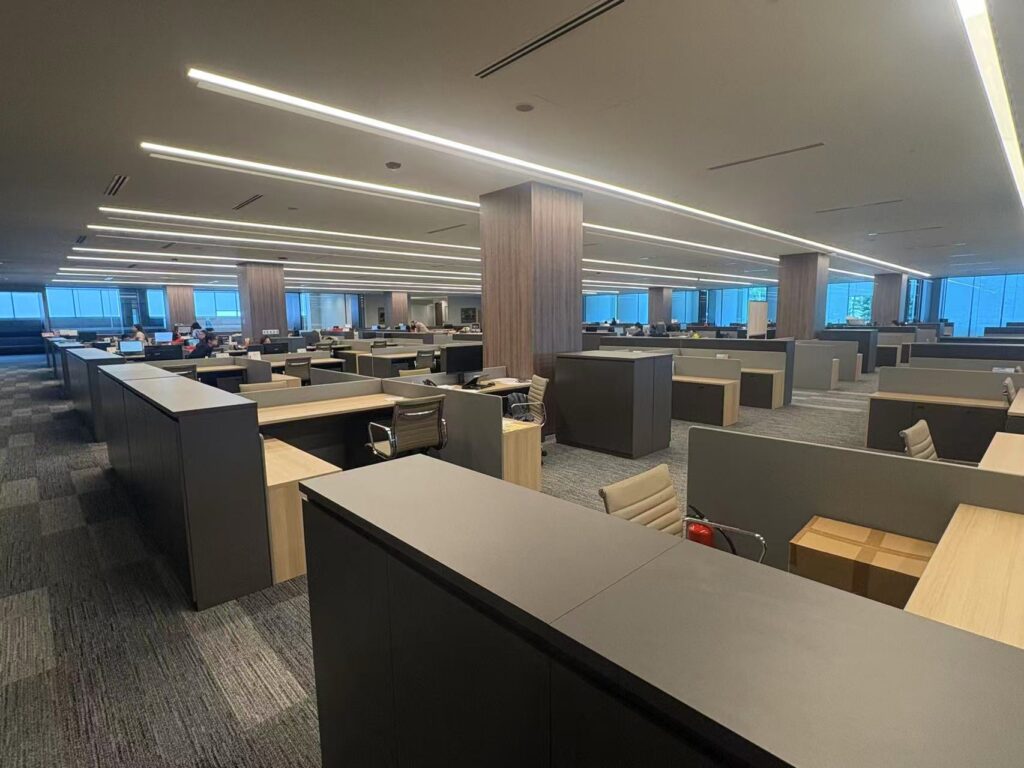
Another real-world example is the Tee Yih Jia Food Manufacturing Office Project by Hongye Furniture。In this project, Hongye Furniture Group created a modern office for one of Singapore’s leading food brands.
Highlights include:
- Ergonomic workstations designed for comfort and productivity
- Collaborative meeting rooms with functional layouts and custom tables
- A welcoming reception and lounge area that reflects the company’s brand identity
- Modular furniture systems that allow future layout changes
- Clean lines and premium materials for a sleek, professional appearance
This project demonstrates how custom made commercial furniture can be tailored to different industries, from technology companies like Alibaba to manufacturing brands like Tee Yih Jia, while delivering consistent quality and one-stop service.
Custom Made Home Office Furniture: Working From Home, Properly
For home users, custom made home office furniture offers a way to separate work from personal life, even within the same room.
Advantages:
- Fit: desks sized to alcoves, under windows, or into corners.
- Style: surfaces and finishes that match your home interior.
- Storage: enough room for paperwork and equipment without cluttering living areas.
Examples:
- A built-in wall unit that combines a custom office table, shelving, and closed storage.
- A fold-away or wall-mounted worktop that hides when not in use.
- A dual workstation for households where two people work from home.
Well-designed bespoke home office furniture creates a professional environment while still feeling like part of your home.
How to Work With a Custom Furniture Supplier
Whether you are a business or an individual, the process of commissioning custom office furniture follows similar steps.
- Initial consultation
Discuss goals, space, budget, and timeline. Share sketches, reference photos, or mood boards if you have them. - Measurement and space planning
Provide accurate room measurements or floor plans. The designer creates layouts showing desk positions, storage, and circulation. - Design development
Select materials, colors, and hardware. Review drawings or 3D visuals of your bespoke office furniture design. Adjust details like drawer layout, cable access, and shelving heights. - Quotation and approval
Receive a detailed quote with specifications. Confirm scope, lead time, and installation terms. - Production and installation
Furniture is manufactured to order. Installation teams assemble and fit the pieces on-site, especially for custom built in office furniture.
Clear communication during each step helps ensure the final result matches your expectations.
Budgeting for Customizable Office Furniture
Customizable office furniture costs more than flat-pack items, but it delivers better fit and longer life. Prices depend on:
- Project size and complexity
- Materials and finishes
- Hardware quality and ergonomic features
- Built-in technology and cable management
- On-site installation needs
To control budget:
- Prioritize high-impact areas such as reception, main workstations, and key storage.
- Use a mix of fully custom pieces and semi-custom modules.
- Choose durable, cost-effective finishes for heavy-use surfaces.
For businesses, custom made commercial furniture is a capital investment that can support branding, employee satisfaction, and space efficiency over many years. For homeowners, custom made home office furniture can increase both comfort and property value.
Final Thoughts: Is Custom Office Furniture Right for You?
Custom office furniture design is ideal if:
- Your space has challenging dimensions or structural features.
- You care about a strong, consistent visual identity.
- You want ergonomic layouts tailored to how you and your team actually work.
- You need built-in solutions, specialized storage, or integrated technology.
Whether you are fitting out an entire corporate office or creating a bespoke home office, custom solutions can turn a basic room into a functional, beautiful workspace.
If you are considering custom office furniture, start by:
- Measuring your space carefully
- Listing your daily tasks and equipment
- Deciding on a preferred style and budget range
Then talk with a professional furniture partner like Hongye Furniture Group. With experience in projects such as the Alibaba Group Office Project Solution and theTee Yih Jia Food Manufacturing Office Project, Hongye can translate your ideas into detailed designs and deliver custom office furniture that supports your brand, your workflow, and your long-term growth.