
Introduction
Hotel furniture materials decisions outlive the general manager who makes them. A plywood casegood with proper edge-banding lasts 10–12 years in a 300-room operation. MDF with standard edge-banding lasts 4–6 years — then the edges swell from cleaning moisture, the laminate peels, and the furniture becomes a refurbishment line item 4 years early.
We have supplied furniture to 200+ hotels across the Middle East, Southeast Asia, and Africa since 2006. In that time, we have seen the same pattern repeatedly: hotels that specify correctly get 10+ years from their furniture. Hotels that specify to a construction budget (not a lifecycle budget) are replacing furniture in year 5.
This guide covers the materials decisions that determine whether your furniture lasts one general manager’s tenure or three.
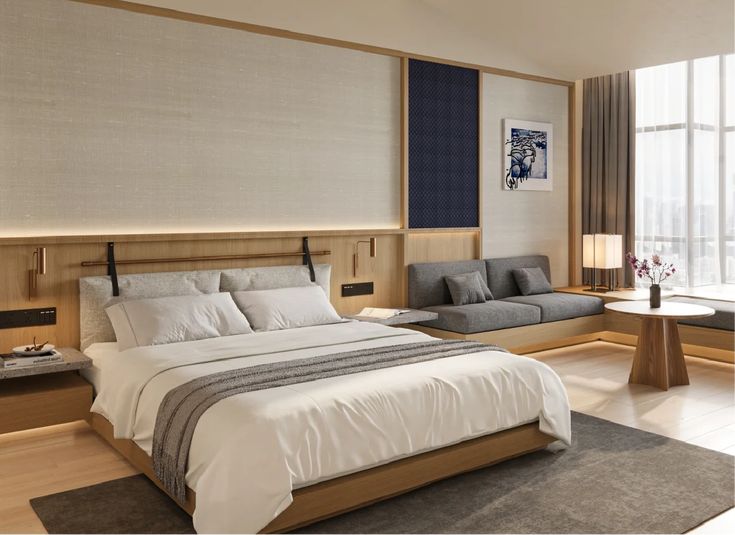
The 10-Year Test: What Survives in 300+ Room Operations
| Material / Component | 3–5 Year Lifespan | 8–12 Year Lifespan |
| Casegood carcase | MDF with 1mm PVC edge-banding | Plywood with 2mm PVC edge-banding |
| Worksurface | Particle board + melamine | MDF + high-pressure laminate |
| Upholstery (headboard, seating) | Standard polyester fabric | Commercial-grade PVC or treated fabric (antibacterial) |
| Metal frame (desk, luggage rack) | 0.8mm steel, painted | 1.2mm steel, powder-coated |
| Drawer slide | Side-mount, 25,000 cycles | Undermount, soft-close, 50,000+ cycles |
| Hinge | Standard, 20,000 cycles | Soft-close, 80,000+ cycles |
The cost difference between the two columns is typically 20–30% upfront. The replacement cost difference is 300–400% by year 10.
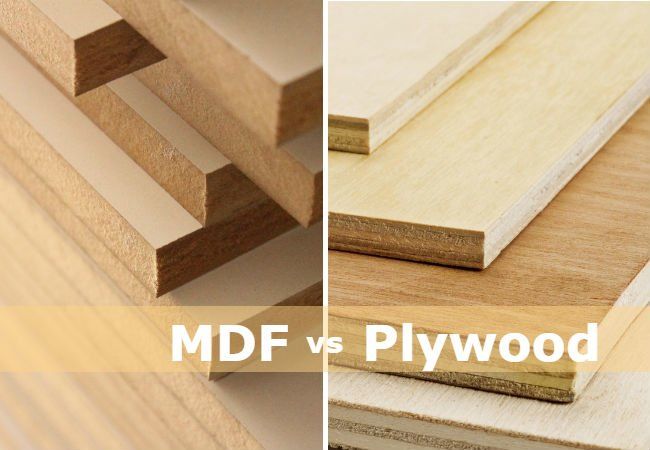
Casegoods: Plyword vs. MDF vs. Sold Wood
Plywood (Recommended for Hotel Casegoods)
| Property | Performance in Hotel Use |
| Moisture resistance | Excellent — does not swell at edges when cleaned |
| Screw-holding power | High — screws bite into veneer layers |
| Dimensional stability | Excellent — does not warp with humidity changes |
| Weight | Moderate — heavier than MDF, lighter than solid wood |
| Cost vs. MDF | 30–50% higher |
Verdict: Plywood is the correct choice for hotel casegoods (headboard panels, nightstand carcase, desk carcase, luggage rack). The moisture resistance alone justifies the cost premium in housekeeping environments where damp mops hit furniture bases daily.
MDF (Acceptable for Worksurfaces Only)
| Property | Performance in Hotel Use |
| Moisture resistance | Poor — edges swell within 12–18 months if edge-banding fails |
| Screw-holding power | Moderate — screws loosen over time |
| Dimensional stability | Poor — warps with humidity changes |
| Cost vs. plywood | 30–50% lower |
Verdict: MDF is acceptable for worksurfaces (desk tops, drawer fronts) if properly edge-banded with 2mm PVC and sealed. It is not acceptable for casegood carcases in humid climates (SEA, coastal Middle East).
Solid Wood (Not Recommended for Hotel Casegoods)
| Property | Performance in Hotel Use |
| Moisture resistance | Poor — cracks, warps with AC cycling |
| Cost | 3–5x plywood |
| Dimensional stability | Poor — moves with humidity |
| Maintenance | High — requires refinishing every 3–5 years |
Verdict: Solid wood is not recommended for hotel casegoods in tropical or desert climates. It cracks within 12–18 months of AC cycling. Use solid wood only for decorative elements (tabletops in lobby, not guest rooms).
Upholstery: Fabric vs. PVC vs. Leather
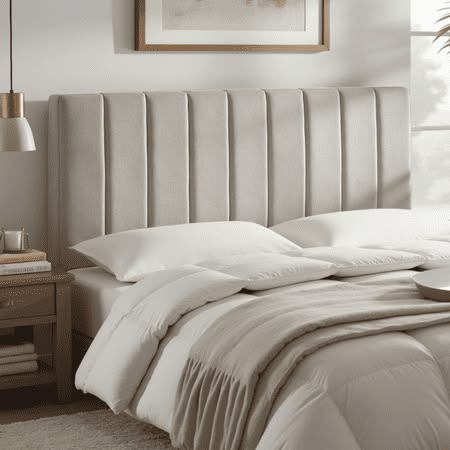
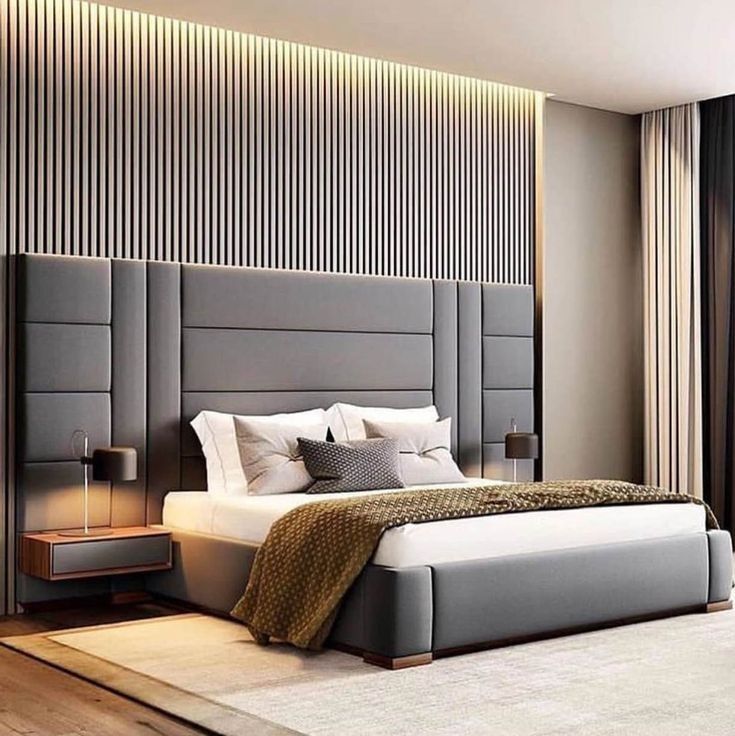
Commercial-Grade PVC (Recommended for Headboards & Seating)
| Property | Performance |
| Durability | 10+ years in guest room |
| Cleanability | Wipe with disinfectant (bleach safe for quality PVC) |
| Antimicrobial option | Available (request ISO 22196 test report) |
| Cost | Moderate |
Verdict: PVC is the correct choice for headboards and guest room seating. It survives daily disinfectant cleaning for 10+ years. Fabric does not.
Fabric (Acceptable for Back-of-House Only)
| Property | Performance |
| Durability | 3–5 years (guest room) |
| Cleanability | Stain- resistant coating required; still cannot use bleach |
| Antimicrobial option | Available but expensive |
| Cost | Low to moderate |
Verdict: Fabric is acceptable for back-of-house (admin seating, break room sofas). It is not recommended for guest rooms in 300+ room operations where turnover cleaning is aggressive.
Genuine Leather (Not Recommended for Guest Rooms)
| Property | Performance |
| Durability | 5–7 years (guest room) |
| Cleanability | Professional cleaning only |
| Cost | 5–10x PVC |
| Maintenance | High — scratches, staining |
Verdict: Genuine leather is not recommended for guest rooms. It scratches within 6 months in high-turnover hotels. Use in VIP suites only, and only if the operating budget includes professional leather cleaning.
Metal Components: Steel Gauge & Finish
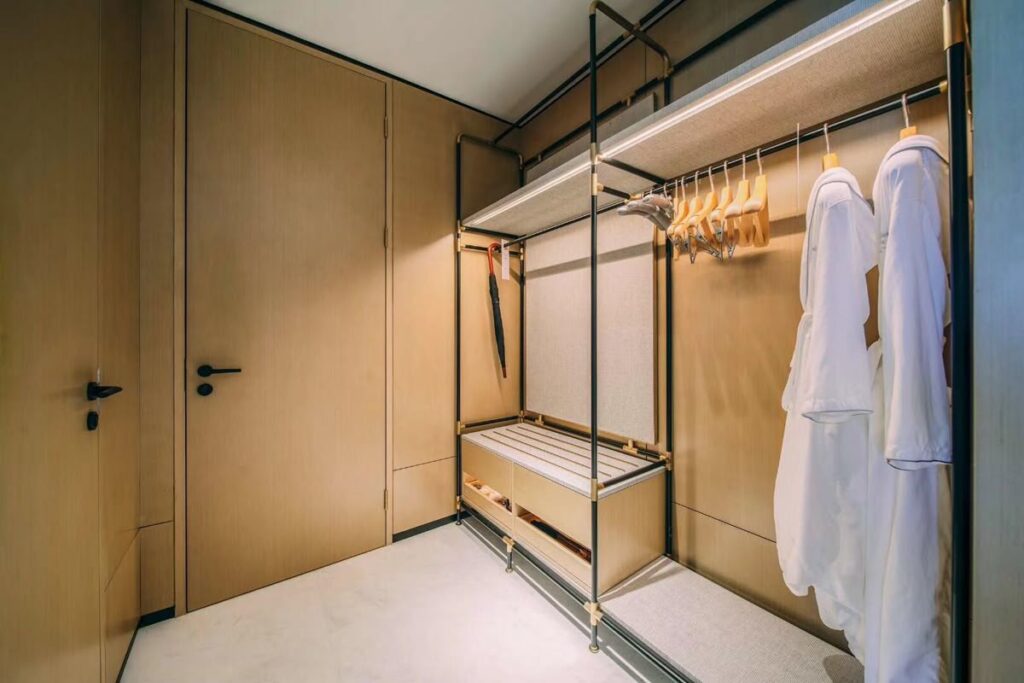
Steel Gauge (Desk Frames, Luggage Racks, Seating Frames)
| Application | Minimum Steel Gauge | Why |
| Desk frame (under-surface support) | 1.2mm | Prevents sagging under 50kg load |
| Luggage rack frame | 1.5mm | Withstands 30kg dynamic load (guest dropping bag) |
| Seating frame (guest room chair) | 1.2mm | Withstands 120kg dynamic load |
| Bariatric seating frame | 2.0mm | Withstands 200kg+ dynamic load |
Red flag: A supplier quoting 0.8mm steel for desk frames. It will sag within 12–18 months.
Finish: Powder Coat vs. Liquid Paint vs. Electroplating
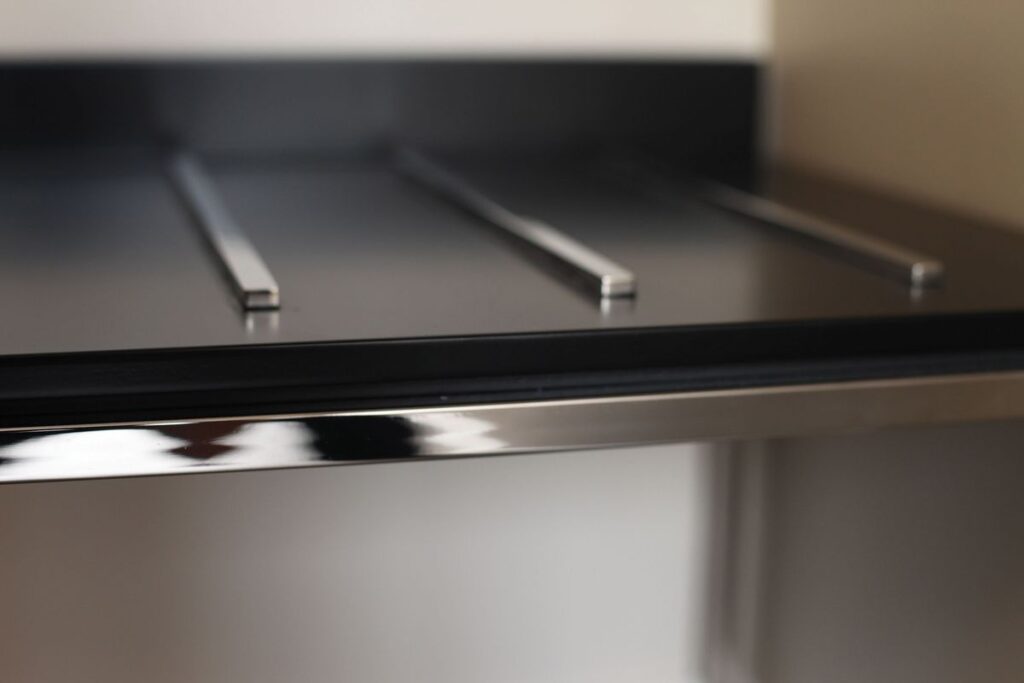
| Finish | Durability (Years) | Cost | Recommendation |
| Powder coat (outgassing @ 200°C) | 10+ | Moderate | Recommended for all metal frames |
| Liquid paint (spray) | 3–5 | Low | Not recommended — chips within 2 years |
| Electroplating (chrome/nickel) | 5–8 | High | Acceptable for decorative hardware only |
Verdict: Powder coat is the correct finish for all hotel furniture metal components. Liquid paint is not acceptable for commercial use.
Drawer Slides & Hinges: The Hidden Failure Points
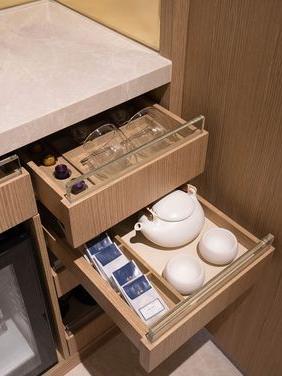
Drawer Slides
| Type | Cycle Rating | Expected Life (300-room hotel) | Cost Difference |
| Side-mount, roller | 25,000 cycles | 3–4 years | Baseline |
| Undermount, ball-bearing, soft-close | 50,000+ cycles | 8–10 years | +30% |
| Undermount, soft-close, heavy-duty | 100,000+ cycles | 12+ years | +50% |
Recommendation: Undermount soft-close, minimum 50,000 cycles. The cost difference is $3–$5 per drawer. A 300-room hotel has ~2,400 drawers. The upgrade cost is ~$12,000 total — and eliminates drawer slide failure warranty claims for 8+ years.
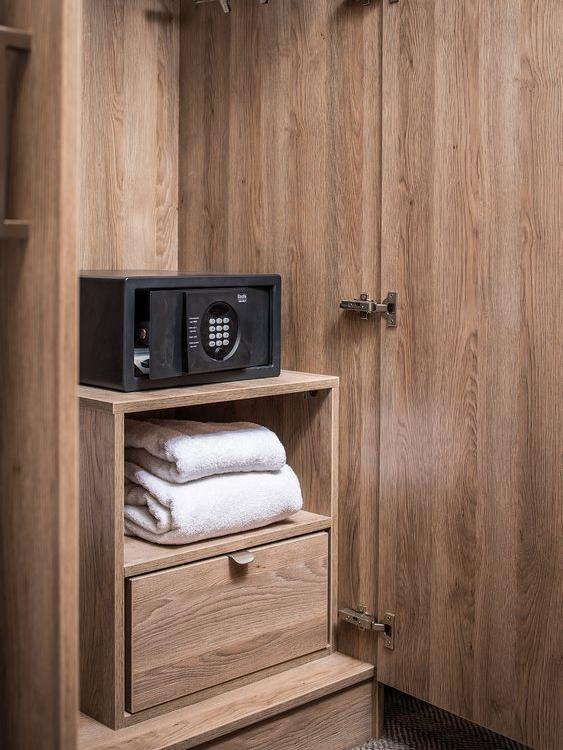
Hinges
| Type | Cycle Rating | Expected Life | Cost Difference |
| Standard, non-soft-close | 20,000 cycles | 3–4 years | Baseline |
| Soft-close, concealed | 80,000+ cycles | 10+ years | +$1.50 per hinge |
Recommendation: Soft-close concealed hinges, minimum 80,000 cycles. The cost difference is negligible over a 300-room project.
Powder-Coated vs. Laminated Worksurfaces
| Option | Durability | Maintenance | Cost |
| High-pressure laminate (HPL) on MDF, 2mm PVC edge | 8–10 years | Moderate (edge inspection annually) | Baseline |
| Powder-coated steel worksurface | 10+ years | Low (wipe clean) | +40% |
| Solid surface (corian/quartz) | 15+ years | Low | +200% |
Verdict for guest room desks: HPL on MDF with 2mm PVC edge-banding is the cost-effective choice for 300+ room projects. Powder-coated steel is appropriate for boutique hotels where the desk is a design feature. Solid surface is appropriate for VIP suites only.
Material Specification Checklist for Your Next Project
| Component | Recommended Material | Minimum Specification | Red Flag (Do Not Accept) |
| Casegood carcase | Plywood | 18mm, 2mm PVC edge-banding | MDF carcase |
| Worksurface | HPL on MDF | 25mm, 2mm PVC edge | Laminate directly on particle board |
| Headboard upholstery | Commercial PVC | Antibacterial treatment | Standard polyester fabric |
| Desk frame | Steel | 1.2mm, powder-coated | 0.8mm, liquid-painted |
| Drawer slide | Undermount, ball-bearing | 50,000+ cycles, soft-close | Side-mount roller |
| Hinge | Concealed, soft-close | 80,000+ cycles | Standard non-soft-close |
| Luggage rack frame | Steel | 1.5mm, powder-coated | 1.0mm or thinner |
How Hongye Specifies Materials
Three production facilities in Guangdong. In-house plywood processing (not purchased pre-made carcases). Steel frames: 1.2–2.0mm depending on load specification. Powder-coat line in-house (not outsourced). Commercial-grade PVC standard on all headboards and seating. Undermount soft-close drawer slides standard. Concealed soft-close hinges standard.
We are not the cheapest option, and we do not try to be. In 300+ room operations, the material specification determines whether your furniture lasts one GM or three. For a detailed comparison of how we evaluate against other manufacturers, see our hotel furniture manufacturer checklist.
FAQ
What is the best material for hotel nightstands?
Plywood carcase with 2mm PVC edge-banding, HPL worksurface (25mm), commercial PVC upholstery on the front panel. This specification consistently delivers 10+ years in 300+ room operations.
Plywood vs. MDF — which is better for humidity?
Plywood. MDF swells at the edges when exposed to moisture (housekeeping, guest spils). In humid climates (SEA, coastal Middle East), MDF casegoods typically fail within 4–6 years. Plywood lasts 10–12 years.
What upholstery material lasts longest in guest rooms?
Commercial-grade PVC. It survives daily disinfectant cleaning (including bleach) for 10+ years. Fabric cannot be disinfected with bleach and typically shows wear within 3–5 years in high-turnover rooms.
Should I specify soft-close hinges and drawer slides?
Yes. The cost difference is $3–$5 per drawer and $1.50 per hinge on a 300-room project. Total upgrade cost is ~$15,000–$20,000. Eliminates the #1 and #2 warranty claim categories (drawer slides and hinges) for 8+ years.
What steel gauge should I specify for hotel desk frames?
Minimum 1.2mm for standard guest room desks. 1.5mm for luggage racks (dynamic load when guest drops bag). 2.0mm for bariatric-accessible rooms.