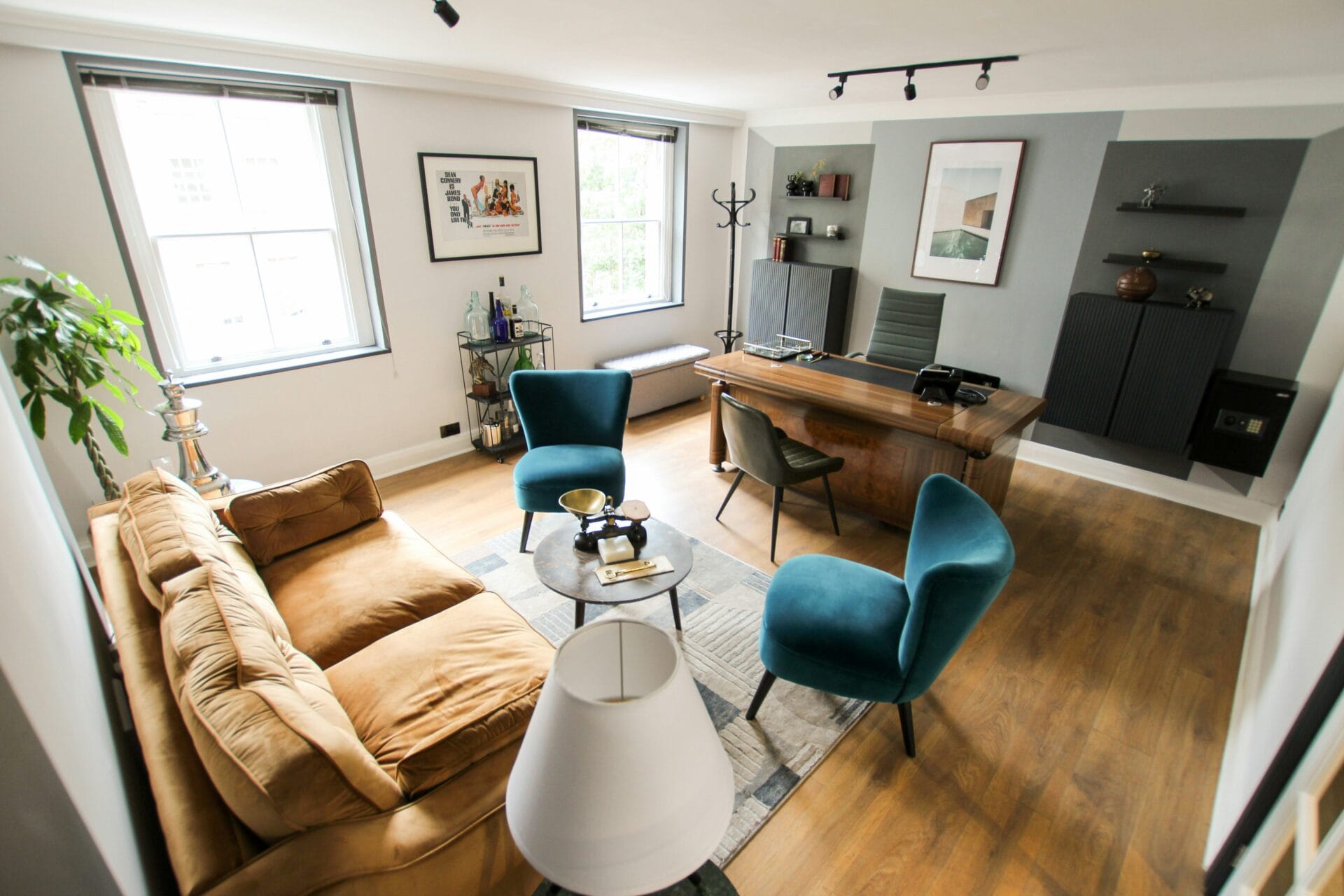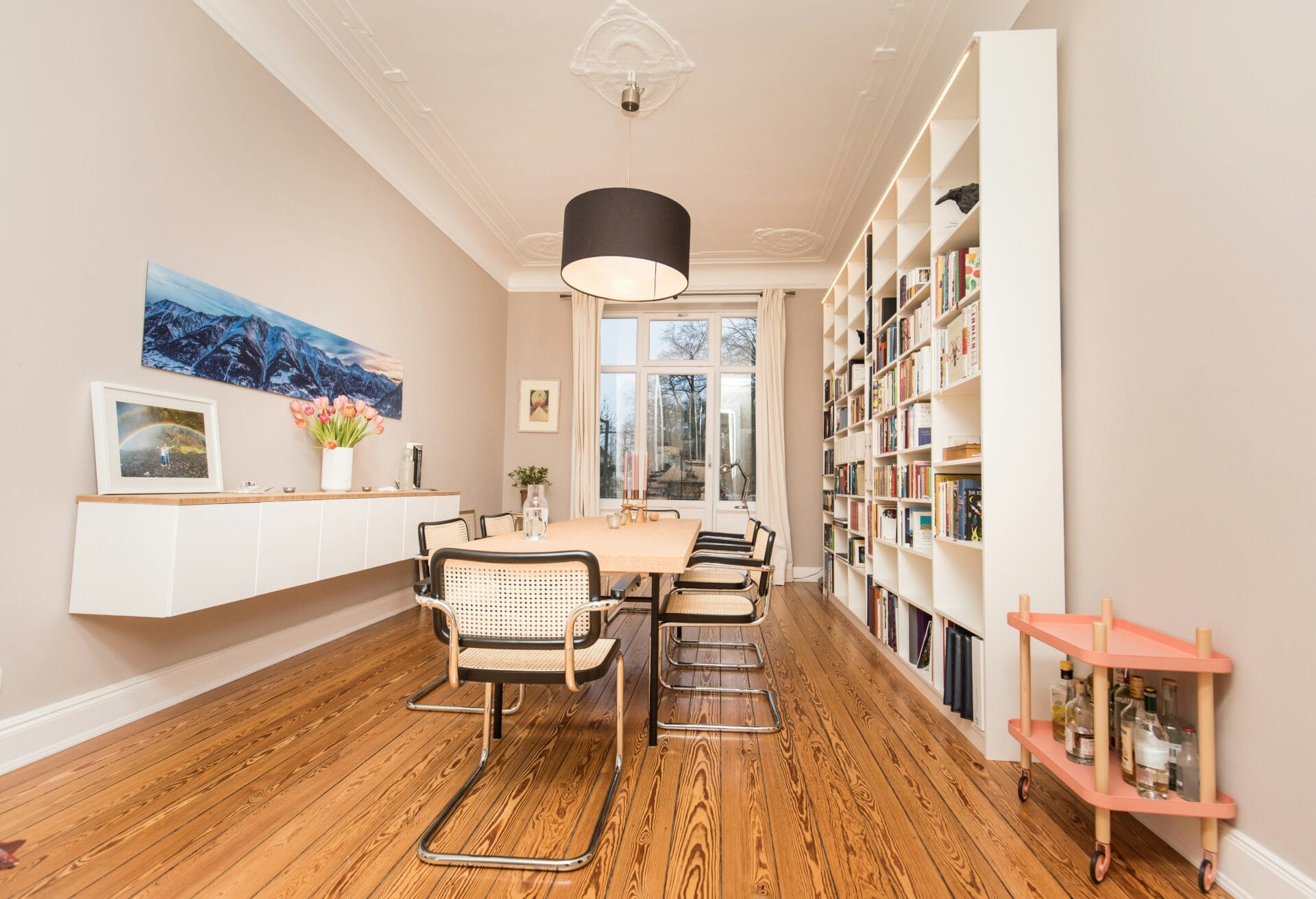
Hotel casework and loose furniture age differently because they face different types of use. Casegoods—such as wardrobes, nightstands, desks, vanities, credenzas, and TV units—often depend on surface durability, hardware performance, moisture control, and installation quality.
Loose furniture—such as lounge chairs, ottomans, desk chairs, luggage benches, and lobby seating—faces more direct human contact, movement, cleaning, spills, fabric wear and mechanical stress.
As a result, hotels should not apply one replacement timeline to all furniture. Instead, they should build a lifecycle plan by category, use zone, maintenance history, brand requirements, condition audit results and future renovation strategy.
This guide compares hotel casegoods vs loose furniture, explains their lifecycle cost drivers and shows how hotel owners can plan maintenance, refurbishment, and replacement over a 7–10 year FF&E cycle.
Planning note: The service life and cost ranges in this guide are illustrative planning tools. Actual outcomes vary by hotel tier, occupancy, cleaning methods, climate, product construction, maintenance practices, brand PIP requirements and local labour costs.
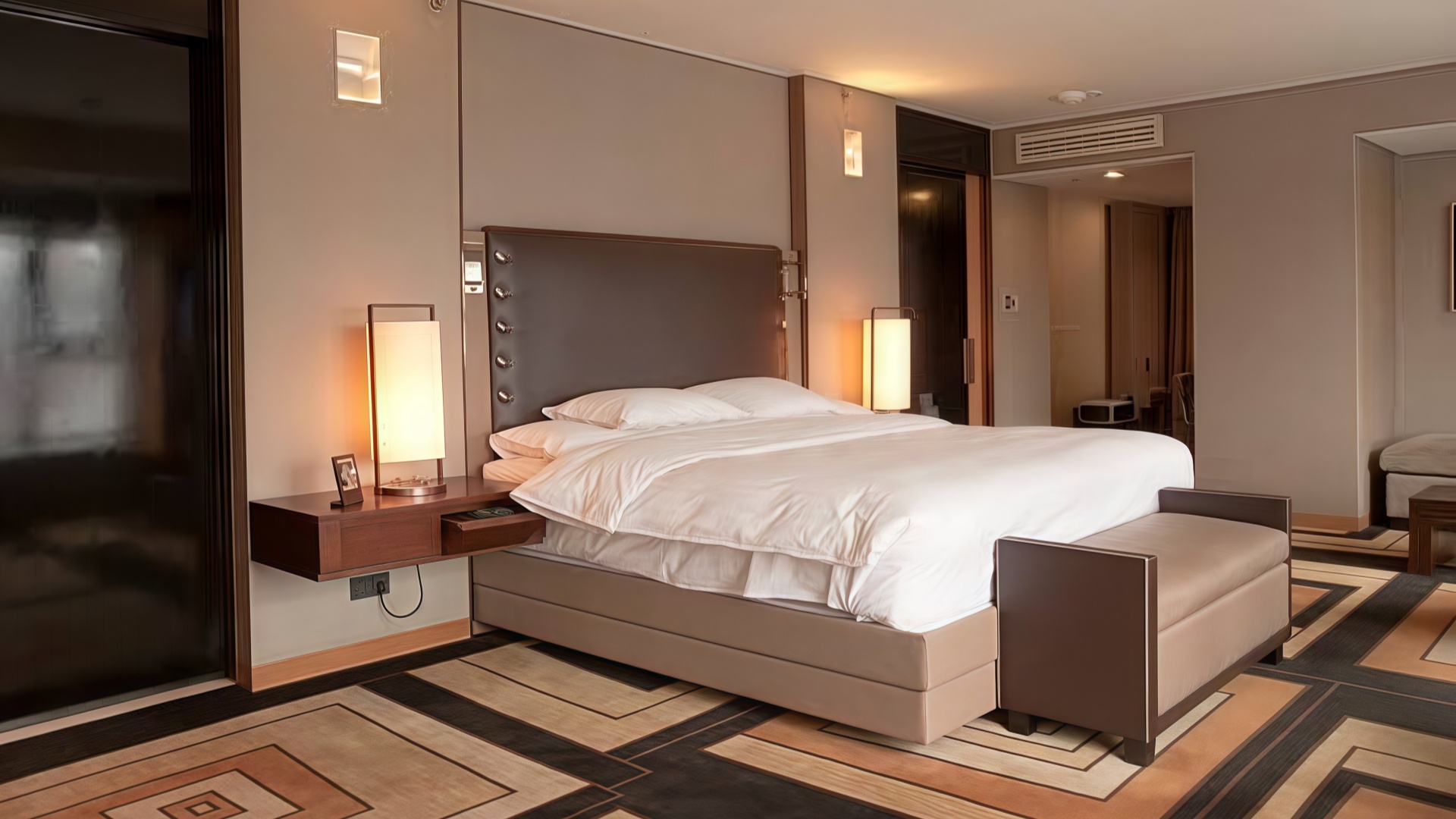
Key Takeaways
- Casegoods and loose furniture have different failure modes, repair options and refresh cycles.
- Casegoods often need attention for edge damage, hardware failure, moisture exposure, surface abrasion and installation issues.
- Loose furniture often needs earlier monitoring for fabric wear, foam compression, loose joints, damaged glides and stain-related issues.
- Hotels should create separate maintenance and refresh plans for casegoods, guestroom loose furniture, public-area seating and fixed millwork.
- A mid-cycle refresh may include reupholstery, surface refinishing, hardware replacement, targeted loose-furniture replacement or partial casegood upgrades.
- Tax and accounting treatment may not match the furniture’s physical service life. Owners should consult qualified tax and cost-segregation advisers.
- Coordinated sourcing can simplify finish matching, logistics, warranty handling and spare-parts planning, but hotels should still assess supplier capability by product category.
Quick Answer: What Is the Difference?
Casegoods usually refer to storage-oriented or case-built furniture. They commonly include wardrobes, nightstands, desks, vanities, credenzas, TV units, minibar cabinets and selected built-in furniture.
Loose furniture includes freestanding items that guests or staff can move, sit on, pull, drag, stack or reposition. It often includes lounge chairs, ottomans, desk chairs, luggage benches, side tables, lobby sofas, dining chairs and occasional tables.
| Category | Common Examples | Typical Failure Modes | Procurement Focus |
|---|---|---|---|
| Casegoods | Wardrobes, nightstands, desks, vanities, credenzas and TV units | Edge lifting, hardware failure, moisture damage, finish abrasion and fixing failure | Core material, edges, hardware, wall fixing and spare parts |
| Loose guestroom furniture | Lounge chairs, ottomans, desk chairs, luggage benches and side tables | Fabric wear, foam compression, loose joints, caster or glide failure | Frame, upholstery, foam, cleanability and repairability |
| Public-area loose furniture | Lobby sofas, lounge chairs, banquettes and restaurant seating | High traffic, spills, luggage impact, seam failure and cleaning-chemical exposure | High-use upholstery, frame durability, glides and spare covers |
| Fixed millwork | Built-in wardrobes, wall panels, reception desks and banquettes | Installation failure, water ingress, site damage and material movement | Site survey, shop drawings, MEP coordination and demountability |
Some casegoods are fixed or wall-mounted, while others remain freestanding. Therefore, buyers should define the product’s actual installation method and maintenance responsibility rather than assuming all casegoods are permanent fixtures.
Why Their Lifecycle Costs Differ
Casegoods and loose furniture usually differ in lifecycle cost because they experience different stress patterns.
Casegoods often remain in one position. Their main risks include moisture entry at edges and cut-outs, failed drawer slides, loose hinges, finish damage and wall-fixing problems.
Loose furniture experiences more movement. Guests sit on it, staff reposition it, luggage strikes it and housekeeping cleans it repeatedly. Consequently, upholstery, foam, glides, joints, casters and mechanisms often require more frequent inspection.
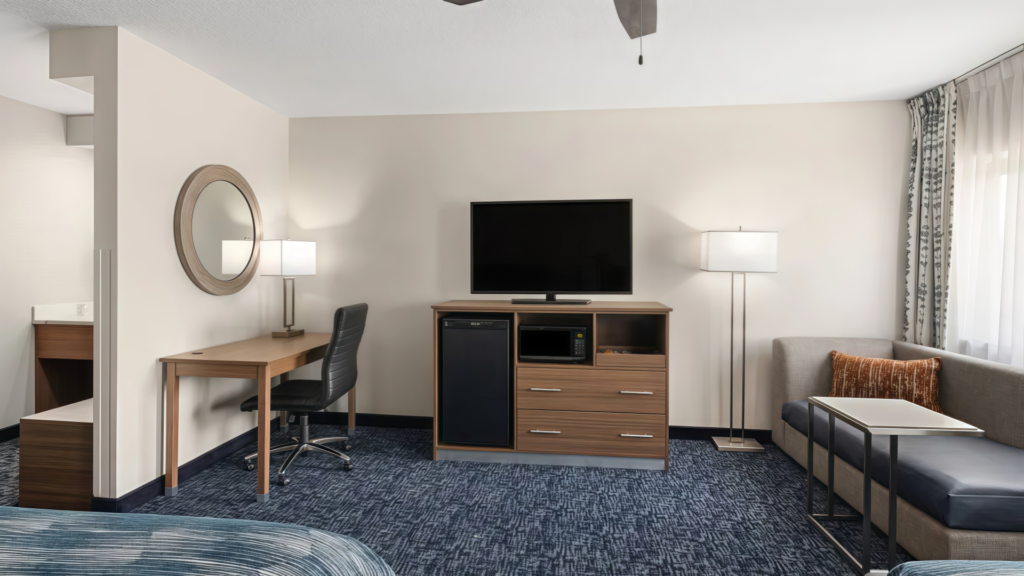
| Lifecycle Cost Factor | Casegoods | Loose Furniture |
|---|---|---|
| Initial construction | Often depends on core material, veneer, laminate, hardware and custom dimensions | Often depends on frame, foam, upholstery, glides, mechanisms and seating design |
| Installation | May require wall fixing, levelling, MEP coordination and mounting | Usually requires placement, assembly and floor protection |
| Common maintenance | Drawer slides, hinges, edge repair, touch-up and fixing adjustment | Upholstery repair, foam replacement, joint tightening, glide or caster replacement |
| Refresh approach | Refinish surfaces, replace hardware, repair edges or update selected panels | Reupholster, replace cushions, repair frames or selectively replace pieces |
| Replacement trigger | Water damage, core failure, repeated hardware failure, new room design or PIP | Structural instability, foam fatigue, fabric wear, cleaning failure or visual obsolescence |
| Disposal or redeployment | May be harder to remove if built in or wall fixed | Often easier to move, reuse, recover or replace |
Lifecycle principle: A lower initial price does not automatically create a lower lifecycle cost. The right decision depends on repairability, replacement parts, maintenance labour, visual impact and the expected renovation cycle.
Lifecycle Planning by Furniture Category
Instead of assigning one fixed lifespan to every item, hotels should plan condition reviews by category.
| Lifecycle Stage | Casegoods Focus | Loose Furniture Focus |
|---|---|---|
| Opening to Year 2 | Inspect installation, wall fixing, drawers, hinges and finish damage | Inspect seams, glides, casters, cushions and response to cleaning |
| Years 3–5 | Touch up surfaces, adjust hardware and correct moisture or edge issues | Evaluate fabric, foam, frames and high-use public seating |
| Years 5–7 | Assess refinishing, hardware upgrades or targeted casegood refresh | Consider reupholstery or targeted replacement where frames remain sound |
| Years 7–10 | Conduct full condition audit, finish renewal, hardware replacement or selective replacement | Plan phased replacement or major refresh based on wear and brand strategy |
| Major renovation cycle | Decide whether to retain, refinish, redeploy or replace | Recover, replace, redeploy or remove based on structural and visual condition |
This framework supports planning, not automatic replacement. A well-built casegood may remain serviceable beyond a typical renovation cycle, while a heavily used lobby chair may need replacement much earlier.
Common Refurbishment Triggers
Hotels should monitor three types of refurbishment triggers: functional, visual and strategic.
Functional Triggers
Functional issues affect usability or safety.
| Trigger | Example | Recommended Action |
|---|---|---|
| Hardware failure | Drawer slide, hinge, lock or bed connector no longer functions properly | Repair or replace component; investigate root cause |
| Structural instability | Loose chair joints, damaged base, unstable table or wall-fixing failure | Remove from use, repair or replace after inspection |
| Moisture damage | Swollen board, delaminated panel, damaged vanity or edge failure | Assess core condition and replace affected components if needed |
| Mechanism failure | Broken caster, gas lift, reclining mechanism or adjustable support | Replace serviceable part or replace the item if safety is affected |
| Installation issue | Loose headboard, unstable wardrobe or misaligned built-in panel | Correct installation and document repair |
Visual Triggers
Visual issues affect guest perception and brand consistency.
| Trigger | Example | Recommended Action |
|---|---|---|
| Fabric pilling or fading | Visible wear on lounge chair or banquet seating | Clean, recover or reupholster after material review |
| Seam separation | Upholstery stitching opens under normal use | Repair seam, inspect foam and frame, review fabric selection |
| Finish abrasion | Desk edge, nightstand top or lobby table shows visible wear | Touch up, refinish, replace top or replace item |
| Colour mismatch | Replacement furniture no longer matches original finish | Review samples and develop a planned refresh scope |
| Surface damage | Chips, scratches, stains or luggage impact | Repair if the substrate remains sound; replace if visual quality cannot be restored |
Strategic Triggers
Strategic triggers arise from ownership, branding or operational change.
| Trigger | Example | Recommended Action |
|---|---|---|
| Brand PIP | Franchisor requires updated design direction | Align refresh scope with required standards and capital plan |
| Repositioning | Midscale hotel moves toward upscale positioning | Update visible loose furniture and selected casegood elements |
| Accessibility upgrade | New accessibility or circulation requirements | Review furniture size, mounting height, clearances and hardware |
| Space conversion | Guestroom converts to extended-stay, family or hybrid-work layout | Reconfigure or replace casegoods and loose furniture |
| New operating model | Lobby adds co-working, F&B or lounge use | Upgrade seating, tables, power access and durability requirements |
Strategic timing: Brand PIPs and repositioning plans may require a refresh before furniture reaches the end of its physical service life. Hotels should align capital reserves with both condition audits and brand requirements.
Upholstery and Foam: When Loose Furniture Needs Attention
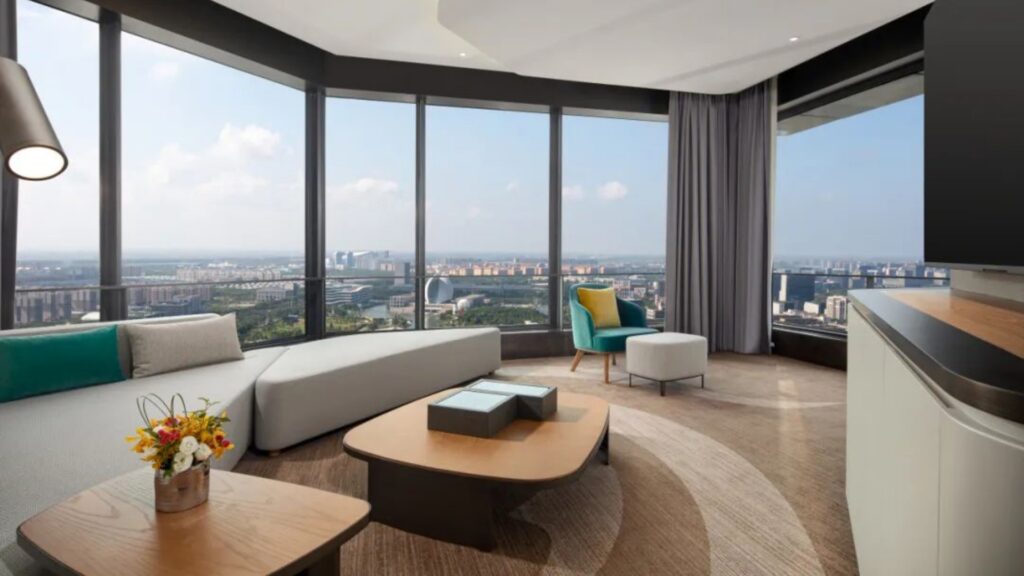
Loose seating often shows wear before casegoods because it combines user contact, movement, cleaning and visual exposure.
Hotels should assess:
- Fabric abrasion and surface wear.
- Pilling and fibre breakage.
- Seam strength and seam separation.
- Cushion compression and comfort loss.
- Frame stability.
- Glides, casters and floor damage.
- Stain resistance and cleanability.
- Odour, moisture or contamination issues.
- Fire-performance documentation for replacement upholstery.
Fabric Durability
The original specification should state the test method used for upholstery.
- Wyzenbeek measures abrasion in double rubs.
- Martindale measures abrasion in cycles.
- Buyers should not compare the two test methods as if their numbers are identical.
ACT guidance often uses 15,000 Wyzenbeek double rubs or 20,000 Martindale cycles as a starting point for commercial low-traffic or private spaces. It often uses 30,000 Wyzenbeek double rubs or 40,000 Martindale cycles for high-traffic public spaces.
However, a fabric does not need replacement only because it reaches a theoretical abrasion number. Hotels should also evaluate visual condition, seam integrity, cleaning performance, comfort and guest feedback.
Reupholstery or Replacement?
Reupholstery can be appropriate when:
- The frame remains structurally sound.
- The suspension and foam can be repaired or replaced.
- The hotel can obtain compliant fabric and foam.
- The local labour and transport cost are reasonable.
- The refreshed product will still meet design and brand requirements.
Replacement may be more appropriate when:
- The frame has repeated structural failure.
- Foam, suspension and upholstery all require replacement.
- The chair cannot meet current fire, cleanability or accessibility requirements.
- The cost of recovery approaches the cost of a new warrantied product.
- The design no longer supports the hotel’s brand direction.
Casegoods: What to Monitor Over Time
Casegoods can often remain in service longer when hotels specify suitable materials, protect them from moisture and maintain hardware.
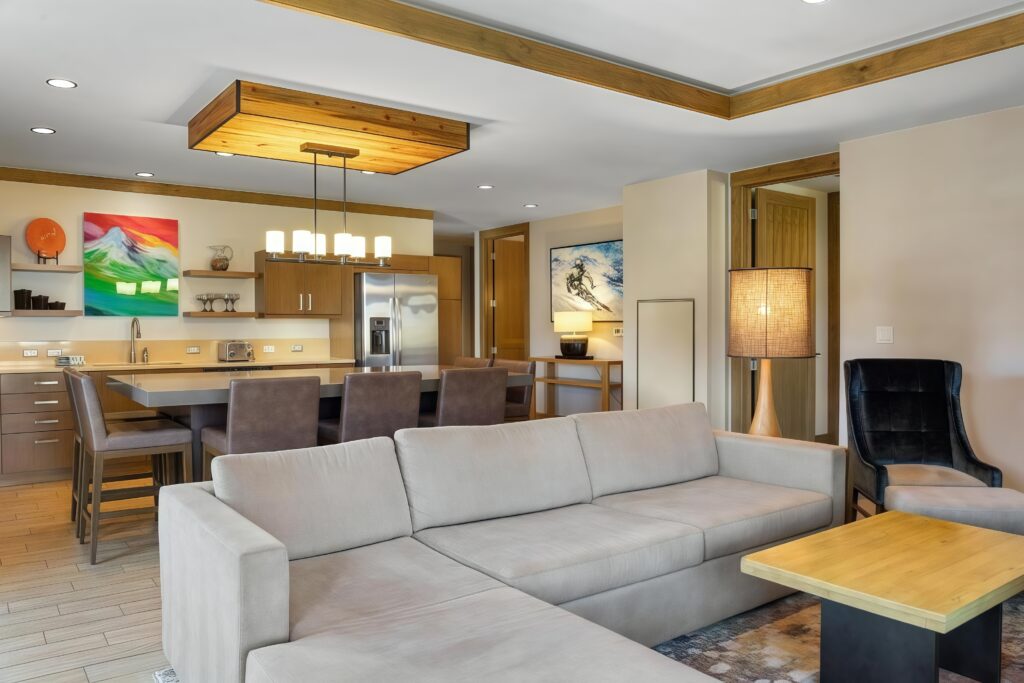
Common Casegood Issues
| Component | Typical Issue | Maintenance or Refresh Option |
|---|---|---|
| Edge banding | Lifting, chipping or moisture entry | Re-band, seal, repair edge or replace panel |
| Drawers | Slide failure, misalignment or damaged pulls | Replace slide, adjust drawer or update hardware |
| Doors | Hinge fatigue, misalignment or loose fixings | Adjust or replace hinge, reinforce fixing |
| Desk surface | Scratches, stains, cable-cut-out damage | Touch up, refinish, replace top or apply protective surface |
| Wardrobe interior | Loose fittings, damaged rail or shelf sag | Replace rail, shelf hardware or reinforce supports |
| Vanity | Moisture swelling, delamination or damaged countertop | Repair if core is sound; replace affected module if not |
| Wall fixing | Loose anchors, headboard movement or unstable unit | Inspect substrate, reinforce fixing and correct installation |
Specification Choices That Affect Casegood Life
| Specification Area | Lifecycle Benefit |
|---|---|
| Suitable core material | Improves screw holding, stability and moisture performance |
| Sealed edges and cut-outs | Reduces moisture entry at vulnerable points |
| Durable hardware | Supports repeated guest and housekeeping use |
| Replaceable slides and hinges | Allows repair without replacing full furniture |
| Commercial finish system | Supports cleaning, touch-up and visual consistency |
| Correct wall fixing | Prevents instability and installation-related damage |
| Spare touch-up materials | Helps maintenance teams correct minor damage promptly |
High humidity, coastal exposure, cleaning chemicals and poor ventilation can accelerate material degradation. Hotels in these conditions should specify moisture-resistant cores, sealed backs, suitable hardware, appropriate coatings and materials that suit the local environment.
Lifecycle Cost Framework
A full lifecycle cost model should include more than the purchase price.
Hotel Furniture Lifecycle Cost=Initial Purchase+Freight+Installation+Maintenance+Repairs+Refurbishment+Replacement+Disposal−Residual or Redeployment Value
Cost Comparison Questions
| Question | Casegoods | Loose Furniture |
|---|---|---|
| Can the hotel repair the item? | Often through hardware replacement, edge repair or refinishing | Often through upholstery, cushions, glides, casters or frame repair |
| Can the hotel replace components? | Slides, hinges, handles, panels and tops may be replaceable | Cushions, covers, arm pads, casters and glides may be replaceable |
| Does the item affect brand appearance? | Strongly affects guestroom consistency | Strongly affects comfort and public-area first impressions |
| Can the hotel redeploy the item? | Possible if dimensions and finish remain suitable | Often easier to move but may show wear faster |
| Does the item need specialist labour? | Built-ins, wall-fixed units and vanities may require skilled installers | Reupholstery and frame repair may require specialist local workshops |
Hotels should build a project-specific capital reserve rather than applying one fixed annual percentage to every property. Room type, public-area use, brand standards, labour costs, climate and PIP timing all change the refresh budget.
Accounting and Tax Treatment
Accounting and tax treatment do not always follow the physical service life of furniture.
Classification can depend on:
- Jurisdiction.
- Ownership structure.
- Installation method.
- Lease terms.
- Cost-segregation analysis.
- Asset classification policy.
- Local tax rules.
In the United States, some hotel guestroom furniture and casegoods may be treated as 5-year property, while certain office furniture, fixed improvements or building-related components may follow different schedules. Owners should not use a generic furniture category to determine tax treatment. Instead, consult a qualified tax adviser or cost-segregation specialist.
Coordinated Sourcing vs Specialist Sourcing
A hotel can source casegoods and loose furniture from one manufacturer or from several specialists.
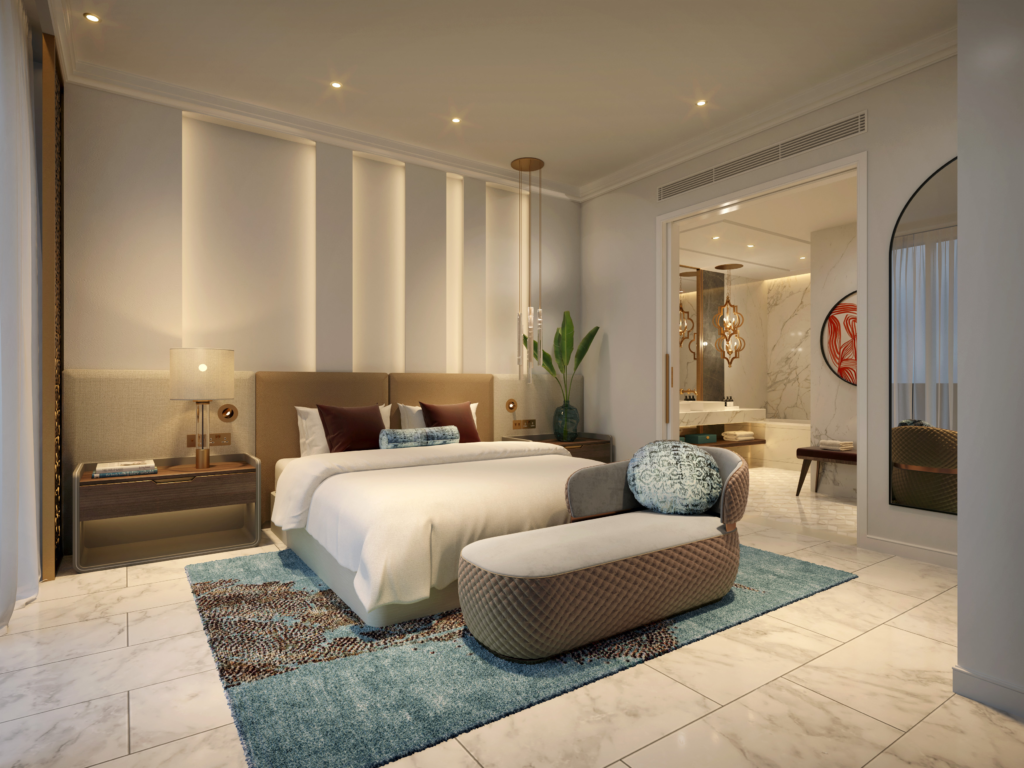
Coordinated Sourcing Can Help When
- The project needs matched finishes across guestrooms and public areas.
- The hotel wants one project manager and warranty contact.
- The supplier has verified capability in both casegoods and seating.
- The project benefits from consolidated shipping, installation and spare-parts planning.
- The design requires coordinated materials, metalwork, upholstery and wood finishes.
Specialist Sourcing Can Help When
- The project needs highly specialised seating, lighting, outdoor furniture or technology.
- A local upholstery workshop can perform faster refurbishment work.
- The hotel needs local warranty response or replacement stock.
- The project includes unusual materials, healthcare requirements or custom artisan work.
- Different product categories require different compliance or performance expertise.Sourcing principle: Coordinated sourcing can reduce interfaces, but buyers should verify that each supplier has proven capability for the products it will deliver.
A Practical Furniture Audit Timeline
Instead of waiting for a major renovation, hotels should use regular condition audits.
At Opening
- Build an asset register.
- Photograph installed furniture.
- Retain approved material schedules and samples.
- Record warranty dates.
- Keep spare parts, touch-up materials and fabric references.
- Document room-set labels and product codes.
Annually
- Review maintenance tickets.
- Track guest complaints.
- Record common furniture failures by room type.
- Inspect high-use public seating.
- Check hardware, wall fixing and moisture-prone areas.
- Update spare-parts inventory.
At Mid-Cycle
- Conduct a formal condition audit by furniture category.
- Compare repair, reupholstery, refinishing and replacement options.
- Review upcoming PIP or brand requirements.
- Prepare sample refresh options.
- Update capital reserve requirements.
Before Major Renovation
- Decide which items to retain, refurbish, redeploy or replace.
- Approve a sample room or sample furniture piece.
- Confirm new material, fire, emissions and accessibility requirements.
- Plan disposal, recycling, resale or internal redeployment.
- Align procurement with opening date and installation sequence.
How Hongye Supports Hotel FF&E Lifecycle Planning
Hongye supports hotel FF&E projects with casegoods, loose guestroom furniture, public-area seating, selected millwork and project-specific furniture packages.
For qualified projects, Hongye can support:
- Guestroom and public-area furniture schedules.
- Material and finish samples.
- Casegood, seating and upholstery specifications.
- Repairability and spare-parts planning.
- Model-room and golden-sample development.
- Refurbishment, replacement or phased-renovation discussions.
- Product drawings and applicable documentation.
- Export packing, logistics preparation and inspection coordination.
Buyers should compare product scope, warranty, maintenance requirements, sample approvals and destination-market documentation before choosing a refurbishment or replacement strategy.
For related hotel budgeting guidance, read Hotel Furniture Cost per Room: 2026 Pricing Guide by Hotel Tier.
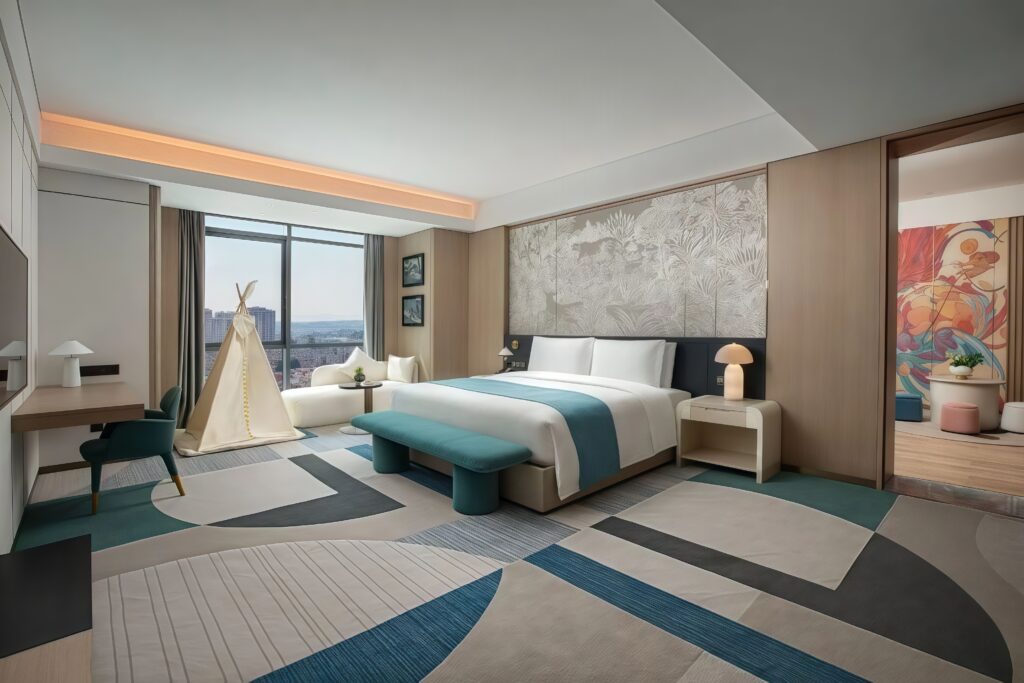
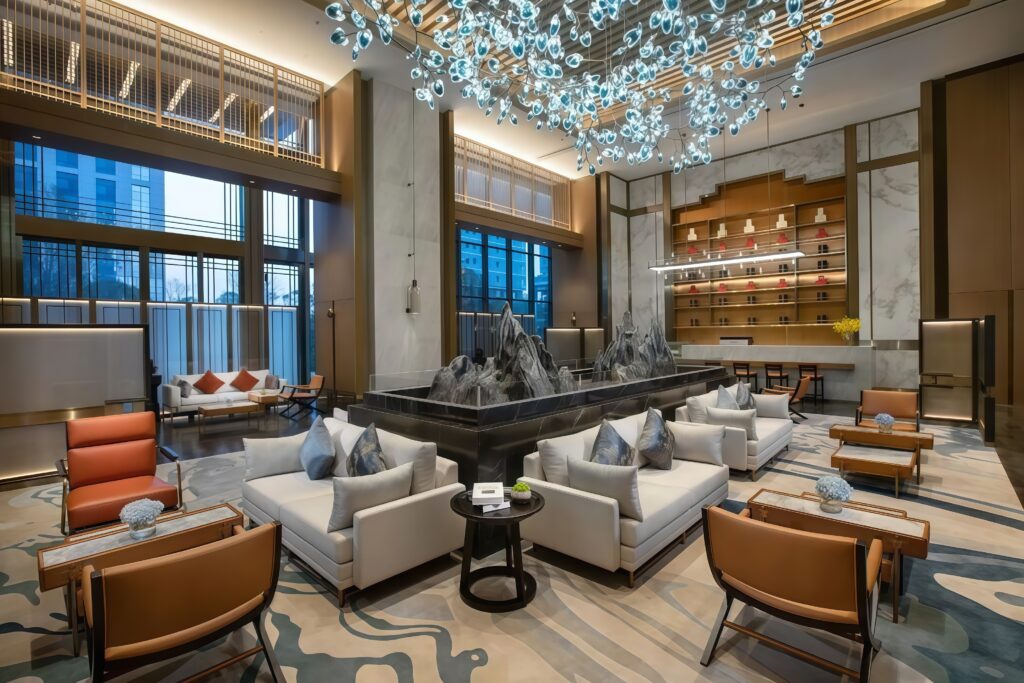
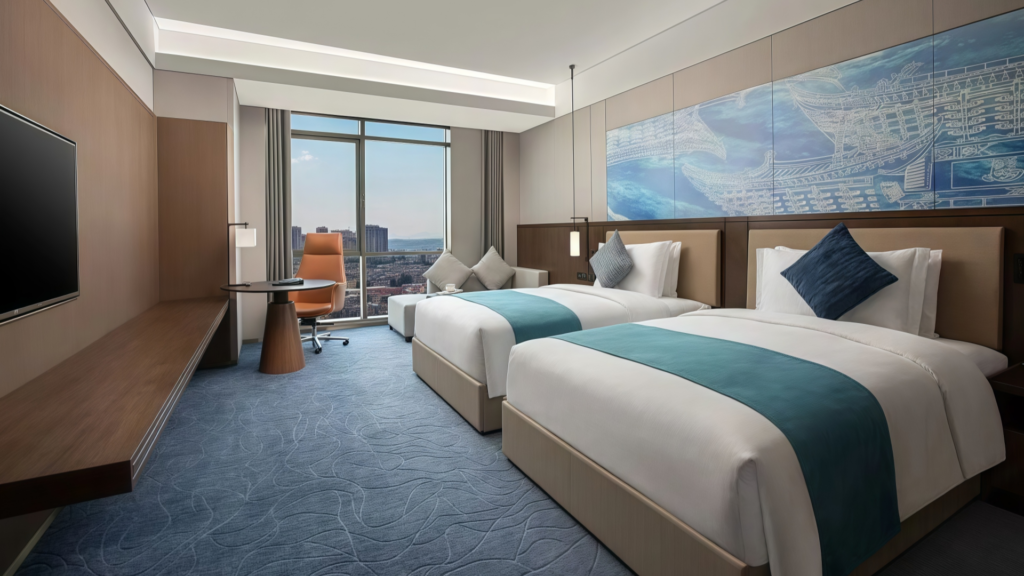
Wingate By Wyndham | Hospitality Project Solution By Hongye Furniture
Frequently Asked Questions
What is the difference between hotel casegoods and loose furniture?
Casegoods are storage-oriented or case-built pieces such as wardrobes, desks, vanities, nightstands and TV units. Loose furniture includes movable items such as lounge chairs, ottomans, desk chairs, luggage benches, sofas and side tables. They experience different wear patterns and need different maintenance plans.
How long should hotel casegoods last?
Service life depends on materials, installation, moisture exposure, cleaning, maintenance, guest use and brand requirements. Hotels should inspect hardware, finishes, edges, fixing points and moisture-prone areas regularly rather than assume one fixed lifespan.
When should a hotel reupholster instead of replace loose furniture?
Reupholstery may be suitable when the frame, suspension and structure remain sound, and the hotel can use compliant replacement materials. Replacement may be better when structural repairs are extensive, the design is obsolete, fire or cleanability requirements have changed or recovery cost approaches a new warrantied item.
How should hotels budget for an FF&E refresh?
Hotels should build a capital reserve based on condition audits, maintenance records, expected PIP requirements, room type, public-area use and local labour costs. Separate guestroom casegoods, loose furniture, public-area seating, millwork and operating supplies into different refresh categories.
Do hotel furniture depreciation schedules match physical lifespan?
Not necessarily. Tax treatment depends on jurisdiction, asset classification, installation method, ownership structure, and cost-segregation analysis. Owners should consult qualified tax and accounting advisers rather than rely on physical furniture lifespan alone.
Can one supplier provide both case goods and loose furniture?
Yes. Coordinated sourcing may simplify finish matching, warranty administration, logistics, and spare-parts planning. However, hotels should verify that the supplier has proven capability across every category, especially for specialist seating, outdoor furniture, lighting, or local refurbishment work.
How do PIPs affect hotel furniture lifecycle planning?
Brand PIPs may require furniture updates before the products physically fail. Hotels should review upcoming PIP requirements during annual and mid-cycle condition audits so they can coordinate repairs, refreshes, and replacements with a planned capital program.
Plan Furniture by Category, Not One Replacement Date
Hotel furniture lifecycle planning works best when casegoods, loose furniture, public-area seating, and fixed millwork each receive separate maintenance, condition-audit, and capital-reserve strategies.
Casegoods may benefit from hardware replacement, edge repair, refinishing, and targeted upgrades. Loose furniture may need earlier attention for upholstery, cushions, glides, joints, and guest-facing visual wear.
By tracking condition, maintenance records, brand requirements, and upcoming renovation plans, hotel owners can move from reactive replacement to a more controlled FF&E lifecycle strategy.