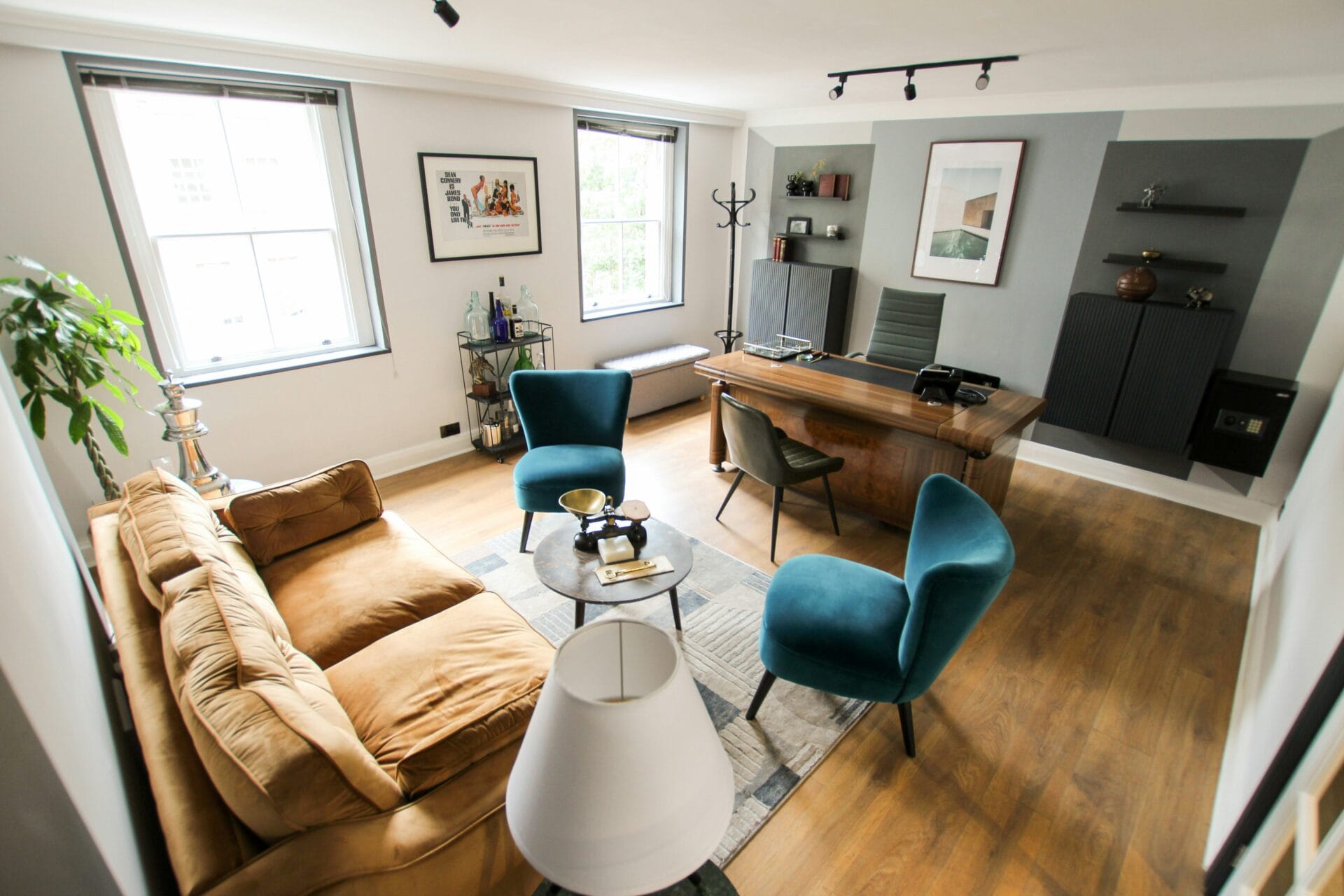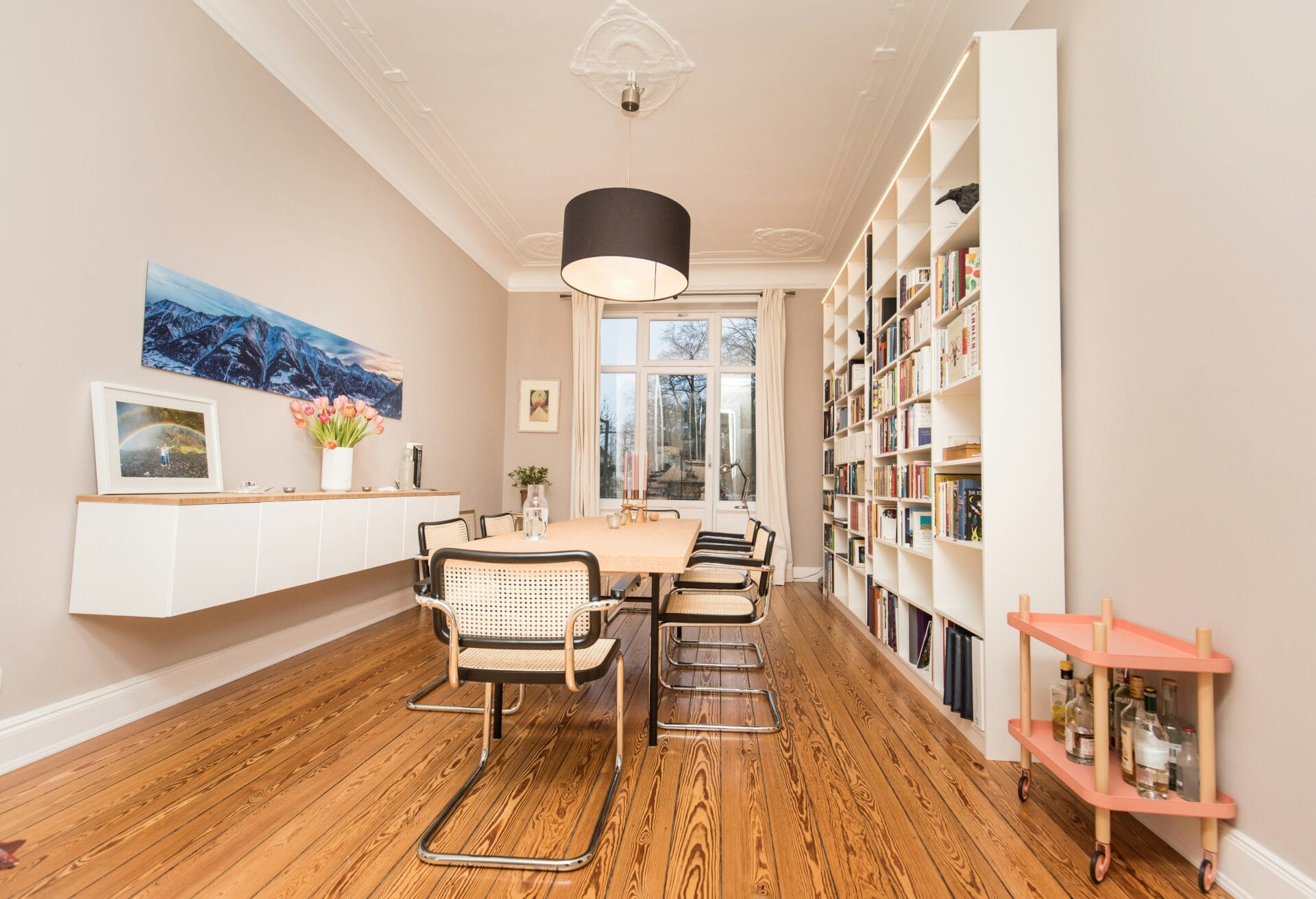
The 2026 FIFA World Cup arrives with an impressive story: 48 teams, 104 matches, 16 host cities across the US, Canada, and Mexico, and a projected 172 billion USD contribution to the US economy. This narrative drives expectations of surging hotel renovations, restaurant expansions, new commercial builds, and booming commercial furniture demand across every category.
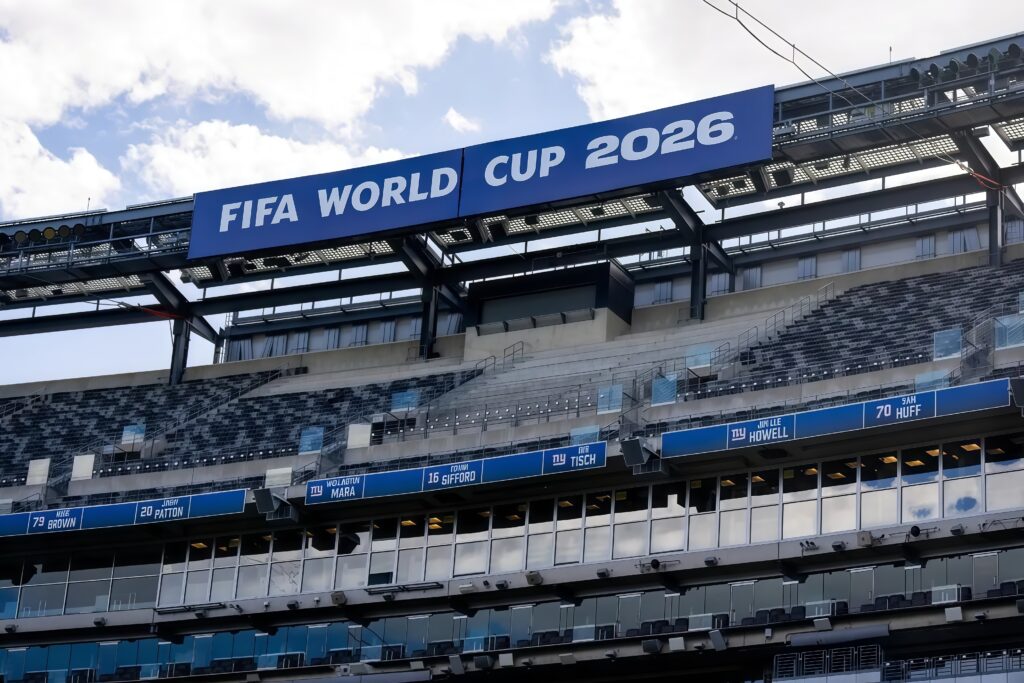
However, when we look at real data from host cities, the 2026 World Cup commercial furniture market impact is more nuanced. Expectations and reality diverge, especially for hotels, while food and beverage (F&B) spaces and long‑term legacy cycles show the strongest demand.
What This World Cup Furniture Analysis Covers
- Baseline data for World Cup 2026 and what GDP projections really mean for North American commercial furniture demand.
- Six connection paths: hotels, F&B spaces, commercial real estate, VIP hospitality, office spaces, and long‑term legacy.
- Tables quantifying sector‑specific furniture spend, demand shifts, and procurement timelines.
- Practical recommendations for furniture buyers and FF&E procurement teams planning 2026–2028 projects.
Baseline: What World Cup 2026 Actually Looks Like
Before assessing furniture demand, it is essential to understand the World Cup 2026 economic and infrastructure baseline.
Table 1: World Cup 2026 Key Parameters
| Parameter | Value | Context |
|---|---|---|
| Participating teams | 48 | First expanded format (previously 32 teams) |
| Total matches | 104 | 40 more than 2022 tournament |
| Host cities | 16 | 11 US, 2 Canada, 3 Mexico |
| Projected total attendance | 5.5M+ | Based on stadium capacities |
| US GDP contribution (projected) | 172B USD | Multi‑year cycle, not a single month |
| Infrastructure spending | 5B+ USD | Stadium renovations and transport upgrades |
| Timeline | June 11–July 19, 2026 | 39‑day event window |
The widely cited 172B USD GDP figure covers preparation, tournament operations, and post‑event legacy—not a single‑season spike in furniture procurement. For 2026 World Cup commercial furniture planning, treating this projection as a long‑term cycle rather than a one‑month event is critical.
Connection Path 1 – Hotels: Lower Than Expected Demand
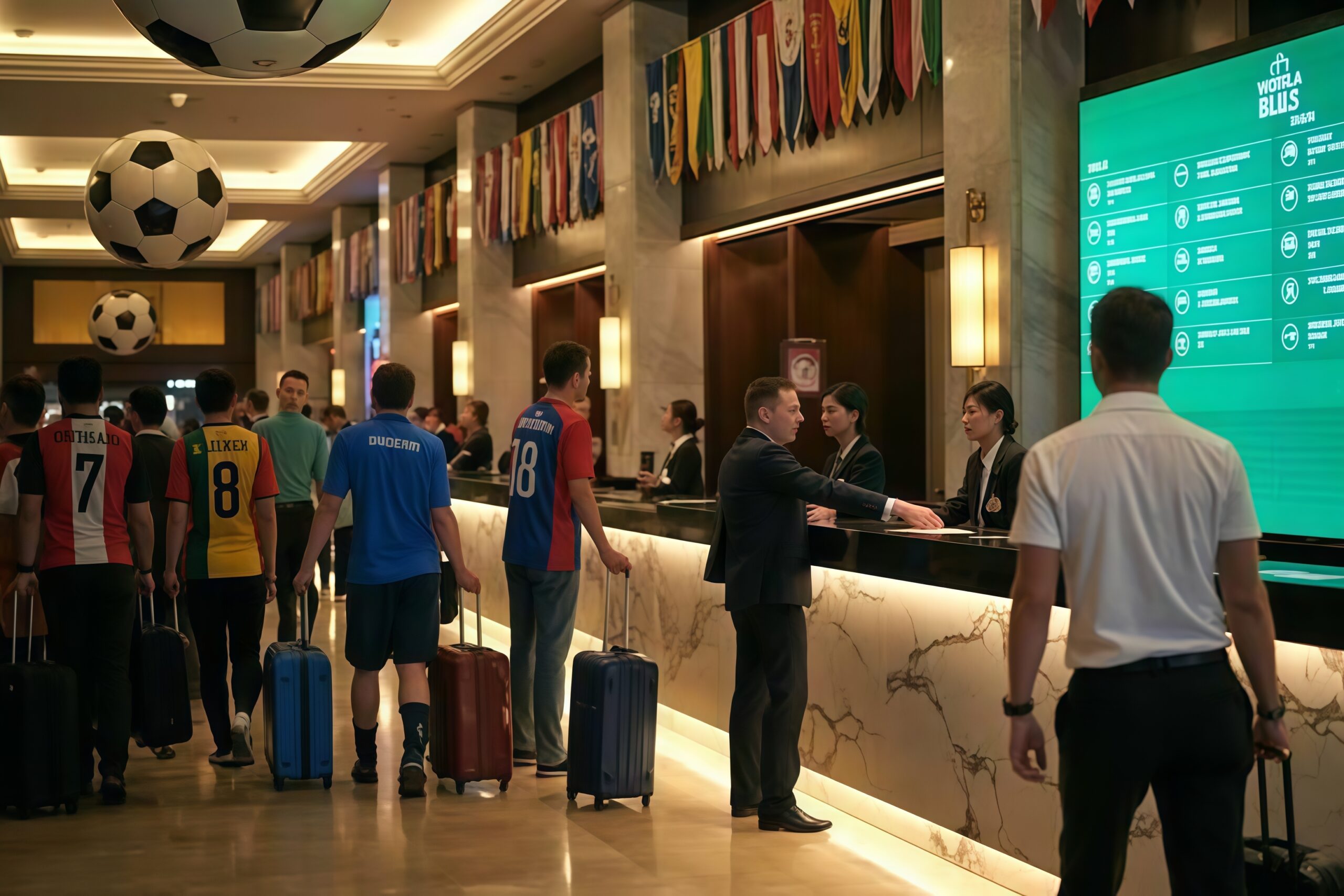
Hotels were expected to be the main winners of the 2026 World Cup. In practice, most host‑city properties saw bookings fall below forecast.
Industry data indicate that roughly 80% of host‑city hotels reported lower‑than‑expected bookings ahead of the tournament. Reasons include inventory blocks controlled by FIFA’s official accommodation partners, higher‑than‑expected travel costs, and demand absorbed by Airbnb and short‑term rental platforms rather than traditional hotels.
Table 2: Hotel Booking vs Furniture Impact by City Category (2026)
| City Category | Pre‑Event Booking vs Projection | Average Rate Increase | Furniture Impact |
|---|---|---|---|
| Major hubs (NYC, LA, Dallas) | ~72% of projection | +35–45% | Renovation delays, selective upgrades |
| Secondary hosts | ~65% of projection | +20–30% | Minimal new FF&E procurement |
| Border / cross‑border cities | ~58% of projection | +15–25% | Existing inventory largely sufficient |
| Non‑host nearby markets | ~45% of projection | +10–15% | No significant furniture demand change |
As a result, most hotels chose targeted refurbishment rather than full FF&E replacement. Budgets shifted toward public areas—lobbies, bars, and restaurants—while guest room packages were left largely intact. For procurement teams, this means focusing on hotel furniture refurbishment packages rather than expecting a wholesale room‑by‑room FF&E boom during the event.
Connection Path 2 – F&B Spaces: The Real Furniture Surge
By contrast, F&B spaces—bars, sports restaurants, brewery taprooms, and fan zones—showed a clear 2026 World Cup commercial furniture demand surge.
June 2026 data for North American host cities indicate that bar and restaurant furniture demand rose about 35% year‑on‑year, particularly in outdoor and semi‑outdoor categories. Operators expanded viewing areas, beer gardens, and sidewalk seating to capture match‑day and non‑match‑day fan traffic.
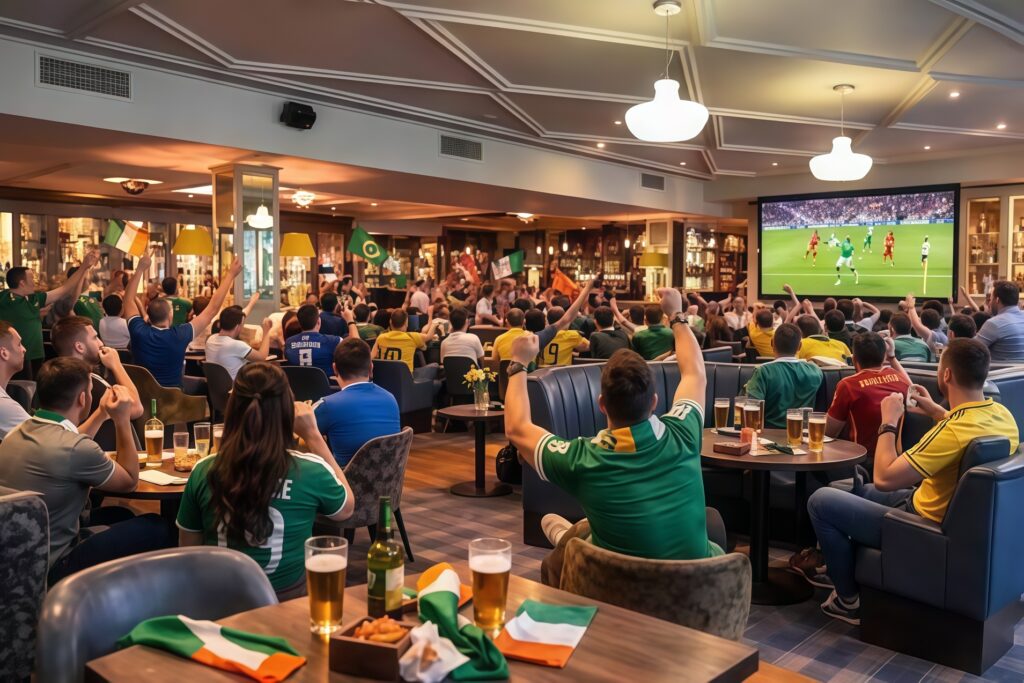
Table 3: F&B Furniture Demand Shift (June 2026 vs June 2025)
| Category | Search Volume Change | Order Volume Change | Lead Time Impact | Key Driver |
|---|---|---|---|---|
| Outdoor bar tables | +42% | +38% | Extended 2–3 weeks | Viewing party expansion |
| Modular restaurant seating | +35% | +30% | Extended 1–2 weeks | Flexible capacity needs |
| High‑top bar stools | +38% | +35% | Standard | Sports bar upgrade cycle |
| Picnic / communal tables | +55% | +48% | Extended 3–4 weeks | Fan zone installations |
| Banquet / group seating | +25% | +20% | Standard | Private event hosting |
| Standard dining chairs | +12% | +8% | Standard | Marginal capacity increases |
Commercial outdoor furniture—high‑top sets, communal tables, and modular lounge seating—became the main event‑driven procurement category. For furniture buyers, accelerating orders in these lines and planning for slightly extended lead times during the tournament window is more impactful than over‑allocating hotel budgets.
Connection Path 3 – Commercial Real Estate: Moderate Lift
Meanwhile, commercial real estate (CRE) projects in host cities absorbed World Cup demand in more moderate, targeted ways. Pop‑up retail, temporary hospitality venues, and selected office‑to‑hotel conversions created incremental furniture orders, but at levels below early projections.
Estimated CRE furniture spend during the event window totals roughly 50–80M USD across all host markets, equivalent to about 3–5% of North American commercial furniture demand in 2026. Most budgets focused on flexible, relocatable furniture that could be reused after the tournament.
Connection Path 4 – VIP Hospitality: High‑Value, Early‑Booked
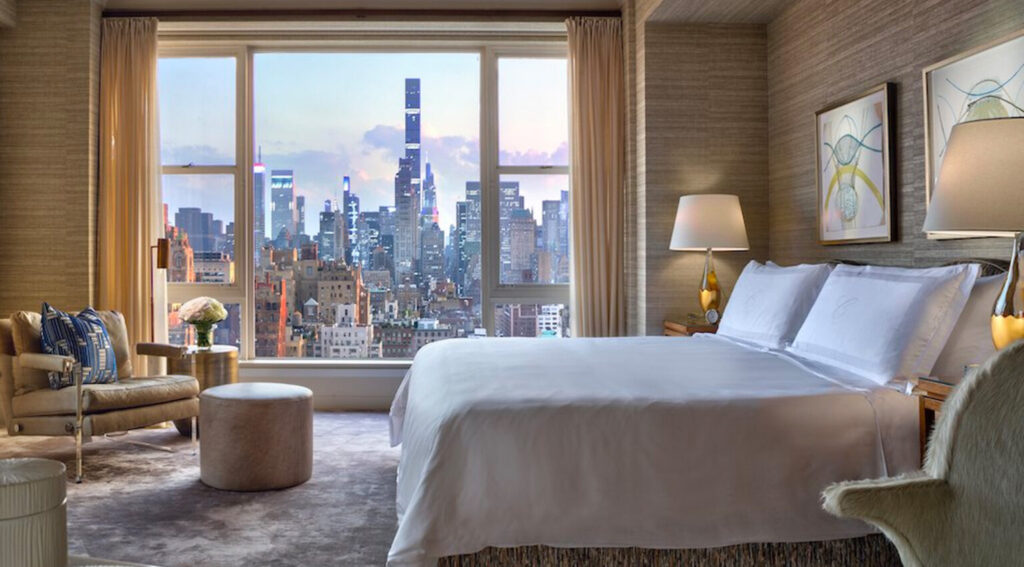
VIP and corporate hospitality suites generated some of the highest per‑unit furniture spend for World Cup 2026. FIFA’s official hospitality programs operate premium suites, lounges, and corporate entertainment spaces at all 16 venues, with furniture budgets often in the 15,000–40,000 USD per suite range.
These spaces require luxury or hybrid‑grade furniture, brand customization, and robust durability standards. Procurement timelines typically run 8–12 months ahead of the event, favoring manufacturers capable of design customization and coordinated installation. For most buyers reading this analysis in mid‑2026, VIP furniture orders have already been placed and executed.
Connection Path 5 – Office Spaces: Employee Engagement Furniture
The 2026 World Cup also touched office furniture demand via employee engagement initiatives. Companies in major metros created viewing zones, upgraded breakrooms, and added outdoor or semi‑outdoor seating in courtyards to host staff watch parties.
Although this is not a massive segment, estimated office viewing area furniture spend reaches 20–30M USD during the tournament window. Many firms kept these spaces post‑event, turning temporary World Cup lounges into permanent breakroom upgrades that influence office furniture budgets going forward.
Connection Path 6 – Long‑Term Legacy: Where the Real ROI Lives
As a result, the most important 2026 World Cup commercial furniture market impact lies in the 3–4‑year legacy period, not the 39‑day event window.
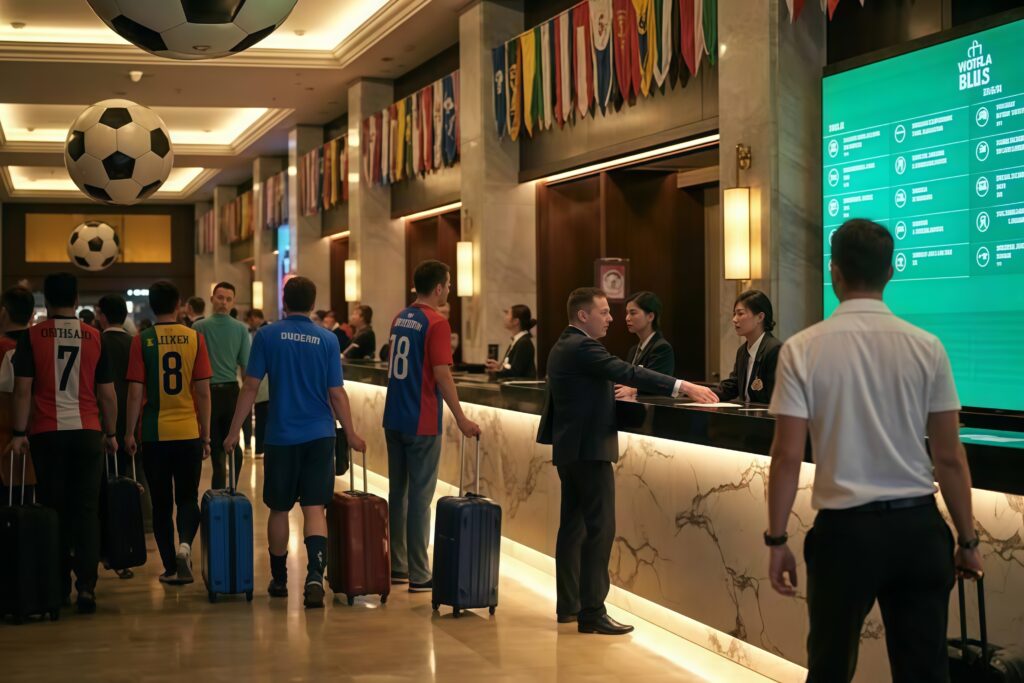
Table 6: Post‑World Cup Furniture Market Legacy (Projected)
| Legacy Category | Timeline | Projected Market Value | Furniture Demand Driver |
|---|---|---|---|
| Hotel renovation cycle | Q3 2026–Q2 2028 | 200–350M USD | Post‑event FF&E refresh across host‑city hotels |
| Stadium / venue reuse | 2027–2030 | 50–80M USD per year | Permanent hospitality upgrades for regular events |
| Restaurant / bar expansion | Q4 2026–2027 | 80–120M USD | Operators expanding based on World Cup success |
| Office breakroom standard upgrade | 2027+ | 40–60M USD per year | New baseline for employee engagement spaces |
| Residential luxury lift | 2026–2028 | 100–150M USD | Host‑city homeowners upgrading interiors |
| Commercial real estate completion | 2027–2029 | 150–250M USD | Projects initiated pre‑World Cup reaching completion |
Altogether, these legacy cycles total about 520–950M USD in incremental furniture demand over three to four years—roughly three to four times the 150–250M USD generated during the event month itself. For procurement teams, the takeaway is clear: the real opportunity is planning for renovation and expansion waves rather than chasing only the tournament spike.
What This Means for Furniture Buyers and Procurement Teams
For North American commercial furniture demand planning from 2026 through 2028, several practical implications emerge.
- Do not over‑index the event month. The June–July spike is real but concentrated in F&B outdoor seating and modular restaurant layouts. Hotel furniture demand during the tournament underperformed projections.
- Plan for the post‑event cycle. Q3 2026 through 2028 carries the bulk of procurement volume: hotel FF&E refreshes, restaurant and bar expansions, office breakroom upgrades, and CRE project completions.
- Segment your approach by space type.
- F&B: modular outdoor and semi‑outdoor sets with 2–4 week lead‑time extensions.
- Hotels: refurbishment packages targeting public areas and selected room types on 6–12‑month cycles.
- VIP: luxury custom furniture, largely pre‑booked 8–12 months ahead of the event.
- Office: lounge and engagement spaces, often funded through HR or employee‑experience budgets.
- Source strategically, including from China. Chinese commercial manufacturers such as Hongye Furniture Group can deliver F&B and hotel packages at 40–60% below many US or Italian alternatives, with 4–8 week lead times suited to event‑driven and renovation‑driven procurement windows.
FAQ: 2026 World Cup Commercial Furniture Demand
Q: Did World Cup 2026 significantly increase hotel furniture demand?
A: Less than projected. About 80% of host‑city hotels reported lower‑than‑expected bookings, and most chose targeted refurbishment over full FF&E replacement. The main hotel furniture demand appears in the post‑event renovation cycle between Q3 2026 and 2028.
Q: Which furniture category saw the largest direct World Cup impact?
A: Outdoor and semi‑outdoor F&B seating—bar tables, communal picnic tables, and modular restaurant seating. Search volume for commercial outdoor bar furniture rose roughly 35% in June 2026, driving the clearest event‑linked procurement spike.
Q: Should commercial furniture buyers adjust 2026 procurement plans for the World Cup?
A: Yes, but selectively. Accelerate F&B outdoor seating and fan zone furniture orders to account for extended lead times, while scheduling hotel FF&E for the post‑event cycle. Office and VIP segments are either modest or already committed. The key adjustment is timeline management rather than across‑the‑board budget expansion.
Q: What is the projected long‑term furniture market impact beyond the tournament?
A: Over three to four years, legacy cycles—hotel renovation, restaurant/bar expansion, office breakroom upgrades, and CRE completions—are projected to generate 520–950M USD in additional furniture demand, roughly three to four times the event‑month impact.
About Hongye Furniture Group
Hongye Furniture Group is a leading Chinese commercial furniture manufacturer with more than 38 years of production experience and ISO‑certified facilities. Serving over 80 countries across hotel, office, restaurant, and VIP hospitality segments, Hongye delivers project‑scale furniture packages with 4–8 week lead times, contract‑grade durability, and transparent pricing. The group operates seven specialized websites covering all major commercial furniture categories.
Planning a World Cup‑related hotel renovation, sports bar upgrade, stadium hospitality lounge, or post‑event commercial furniture project? Visit our commercial furniture solutions page and contact Hongye for project‑scale quotations with delivery timelines matched to your FF&E renovation schedule.