When a hospitality project involves 300 guest rooms and 2,400 chairs, a commercial furniture warranty is not a marketing bullet point — it is a financial instrument that can make or break your FF&E budget. A single batch failure can trigger six-figure replacement costs plus guest compensation, compressed timelines, and brand reputation damage, yet procurement teams routinely accept warranty language they have never stress-tested.
This guide explains how commercial furniture warranties work, what a 5-year warranty actually covers, where the loopholes hide, and how to evaluate warranty terms during hotel FF&E specification. It is written for hotel developers, FF&E contractors, and project managers who want to move beyond brochure claims and into contract-level detail on commercial furniture warranty coverage.
Guide Overview: What You Will Learn
- What a commercial furniture warranty covers compared with residential warranties
- How 5-year commercial furniture warranties are typically structured and tiered over time
- Typical coverage terms by furniture grade and component in hotel FF&E
- How to read exclusions, hidden cost gaps, and claim timelines in commercial furniture warranties
- Practical steps to evaluate and negotiate warranty terms before signing a furniture contract
What Does a Commercial Furniture Warranty Actually Cover?
A commercial furniture warranty is a manufacturer’s contractual commitment to repair or replace defective products within a defined period under normal commercial use. Unlike consumer warranties, which may carry implied “fitness for purpose” obligations under consumer protection law, commercial furniture warranties are governed almost entirely by the written terms of the purchase agreement and the hotel’s FF&E contract.
In hospitality and other commercial environments, a commercial furniture warranty usually focuses on structural integrity, finish durability, and mechanical function, with each category assigned a different coverage period. Understanding these categories is the first step to accurately comparing hotel furniture warranty coverage across suppliers.
The Three Pillars of Commercial Warranty Coverage
Most commercial furniture warranty programs rest on three pillars:
- Structural integrity
Frames, joints, and load-bearing components must remain free from manufacturing defects that cause breakage under normal commercial use, such as cracked welds in steel frames or joint separation in solid wood beyond industry tolerance. - Finish durability
Powder coating, wood lacquer, veneer, chrome plating, and upholstery finishes must resist peeling, cracking, fading, or delamination within the stated coverage period, while “normal wear and tear” is almost always excluded and frequently disputed. - Mechanical function
Drawer slides, recliner mechanisms, height-adjustment gas lifts, and casters must operate without failure under specified loads but often carry shorter warranty terms than frames due to higher wear rates.
Where Commercial Differs from Residential
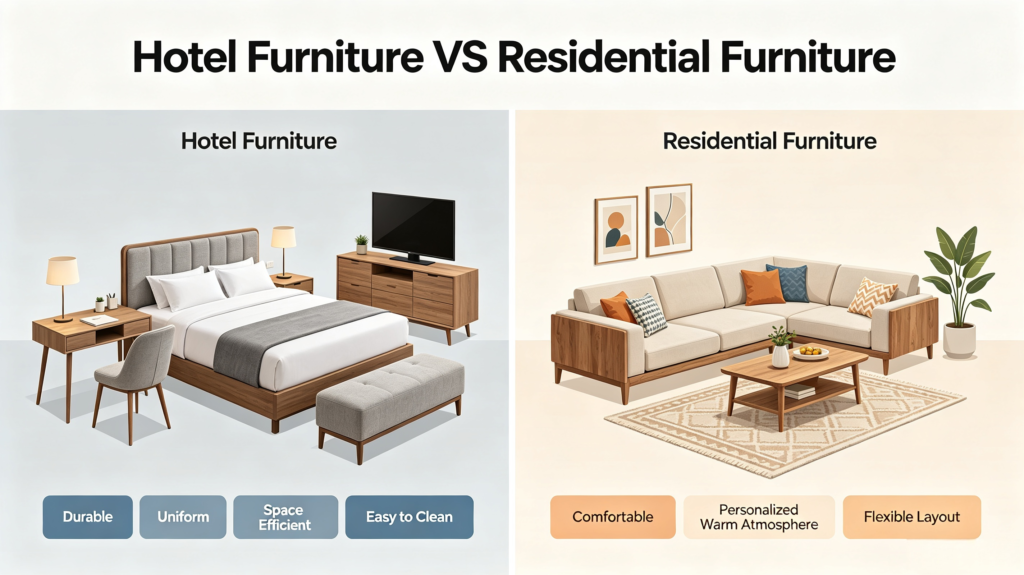
Residential furniture warranties often run 1–3 years and assume lower-frequency home use, while commercial furniture warranties for hotels, offices, and public spaces commonly advertise 5, 7, or 10-year terms as a competitive differentiator in FF&E procurement. Longer duration reflects higher product price and sales complexity rather than automatically guaranteeing higher quality, so hotel buyers should look beyond the headline and examine detailed coverage by component and year.
The 5-Year Warranty: What You Are Actually Buying
On paper, a 5-year commercial furniture warranty looks simple and reassuring. However, when you read the contract, you will usually find that coverage is tiered by time and by component. As a result, the real value of “5 years” depends heavily on what is covered in each phase of the warranty.
Years 1–2: The Full-Coverage Window
In the first one to two years, most manufacturers provide their broadest protection. Typically, they cover structural frames, finishes, upholstery fabrics, and foam cushioning under the same 5-year commercial furniture warranty. In many cases, they approve replacements with few questions, although freight and on-site labor are still often the buyer’s responsibility. For hotel projects, this early window is when most manufacturing defects appear, so it is critical to know exactly which components are included.
Years 2–3: Shift Toward Structural Coverage
After the initial period, manufacturers usually start to narrow the warranty. In practice, they keep full coverage on frames and key mechanical parts, but they reclassify fabrics, foam, and many finishes as “wear items.” When that happens, hotel operators can no longer claim normal fabric pilling or cushion softening under the furniture warranty, even though the headline still says “5 years.” Therefore, procurement teams should pay close attention to how the contract defines wear and tear at this stage.
Years 4–5: Prorated or Limited Protection
From year four onward, many 5-year warranties become prorated. Instead of replacing items at full value, the manufacturer offers a partial credit based on years of use. For example, a chair that fails in year four may qualify for only 20–40% of the replacement cost. In addition, some policies restrict coverage to structural failures only and exclude finish and mechanical issues completely. Consequently, the final two years of a 5-year commercial furniture warranty are often much weaker than buyers expect when they see the brochure.
Beyond Year 5: Frame-Only Extensions
Some suppliers promote extended terms such as 7-year or 10-year warranties. In most cases, these extended warranties apply only to welded steel or solid wood frames and do not include finishes, foam, or moving parts. In other words, the manufacturer promises that the frame will not fail under normal hotel use, but they do not guarantee that the chair will keep its appearance or comfort level. For long-term hospitality projects, it is therefore more important to secure solid coverage on the first five years than to chase an attractive but narrow “10-year” label.
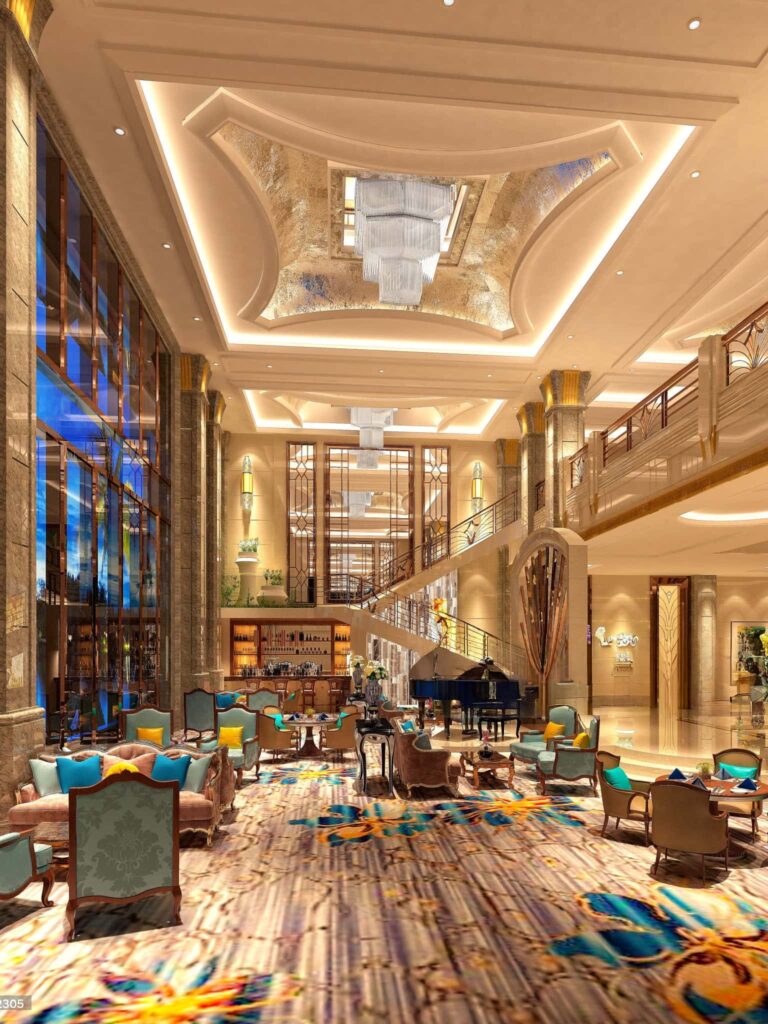
Hotel Furniture
The Hidden Cost Gap in Hotel Furniture Warranties
Even when product replacement is covered, many commercial furniture warranties exclude shipping, labor, and disposal costs, shifting these expenses to hotel owners and FF&E contractors. For a 200-key property replacing dozens of items over a 5-year period, freight and installation labor can easily add 8,000–12,000 USD in uncovered costs, which should be factored into total cost of ownership.
Table 1: Warranty Comparison by Commercial Furniture Grade
| Furniture Grade | Typical Warranty Term | Structural Coverage | Finish Coverage | Mechanical / Moving Parts |
|---|---|---|---|---|
| Residential-Grade (Light Commercial) | 1–3 years | Frame only after year 1 | ~1 year | ~1 year |
| Mid-Range Commercial | 5 years | Full 5 years | ~2 years | ~3 years |
| Heavy-Duty Commercial | 7–10 years | Full term | 3–5 years | ~5 years |
| Hospitality-Specific (FF&E) | 5–7 years | Full term | ~3 years | 3–5 years |
| Bespoke / Custom Manufacturing | 3–5 years (negotiable) | Often full term | 2–3 years | 2–3 years |
These norms are based on published warranty policies from major hospitality and contract furniture manufacturers; individual contracts may offer stronger or weaker terms depending on volume and negotiation.
Coverage by Component: Where the Loopholes Hide
Different components in a hotel furniture set carry different warranty periods, exclusions, and documentation requirements. Procurement teams should check coverage at the component level rather than relying on a single global “5-year warranty” label.
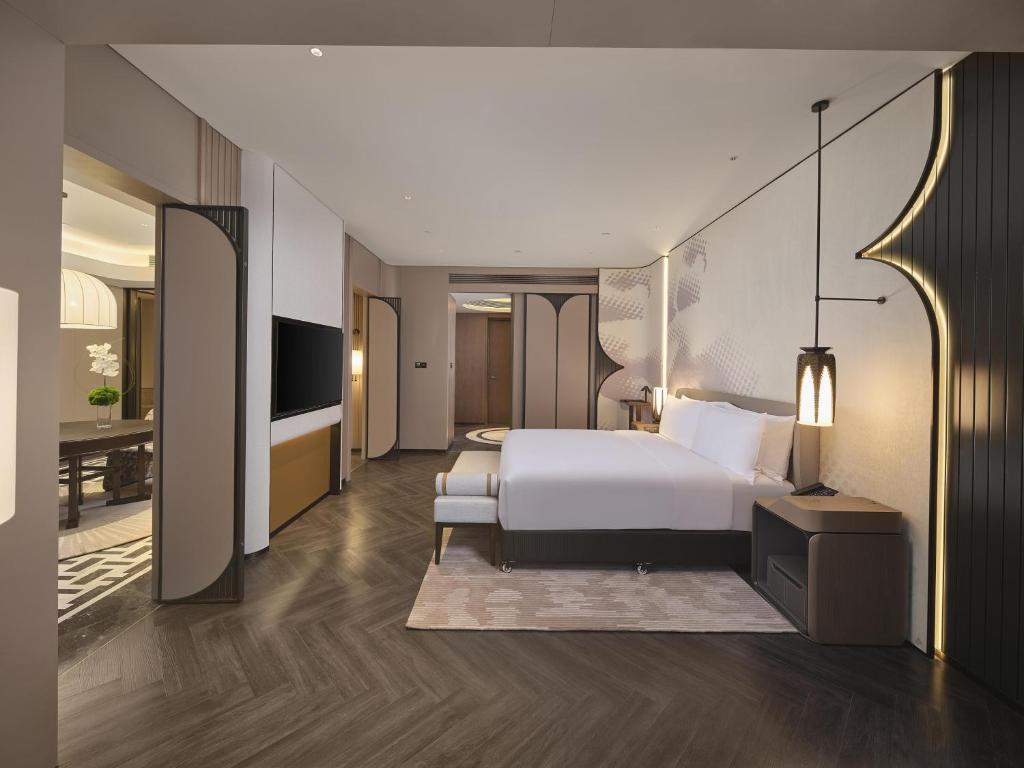
Table 2: Coverage Types by Furniture Component
| Component | Typical Full-Coverage Period | Common Exclusions | Claim Documentation Required |
|---|---|---|---|
| Welded steel frame | 5–10 years | Rust from improper storage, overload or impact damage | Photos, batch number, purchase order |
| Solid wood frame | 5–7 years | Cracking from humidity fluctuation, insect damage, misuse | Environmental logs, site condition reports |
| Upholstery fabric | 1–2 years | Pilling, seam slippage, dye lot variation, staining | Fabric sample, cleaning records |
| Foam cushioning | 1–2 years | Compression within “industry tolerance” (e.g., 10–15% thickness loss) | Density test report if disputed |
| Tabletop laminate | 2–3 years | Impact damage, burn marks, chemical staining | Installation photos |
| Powder coat finish | 2–3 years | Scratches, chips from impact, extreme UV fading | Site condition report |
| Drawer slides | 3–5 years | Misalignment from improper installation or building movement | Installation verification |
| Casters / glides | ~1 year | Incompatible floor surfaces, debris-related damage | Floor type documentation, maintenance logs |
This table helps hotel buyers and FF&E contractors map coverage gaps for specific components that are critical to guest experience and maintenance costs.
How Long Warranty Claims Really Take
Even a strong commercial furniture warranty does not solve problems instantly, so hotel operators must understand the real-world timeline from defect discovery to replacement.
Table 3: Warranty Claim Process Timeline
| Stage | Action | Typical Duration | Responsible Party |
|---|---|---|---|
| 1. Discovery | Identify and document the defect. | 1–3 days | Hotel operations / FF&E contractor |
| 2. Notification | Submit claim with documentation | Within warranty period | Purchaser / project manager |
| 3. Review | The manufacturer evaluates the claim. | 5–15 business days | Manufacturer |
| 4. Determination | Approve, deny, or offer partial remedy | After review | Manufacturer |
| 5. Shipment | Manufacture or ship replacement | 15–45 days (in-stock), 45–90 days (production) | Manufacturer |
| 6. Freight | Transport to site | 7–30 days domestic, 30–60 days international | Freight provider |
| 7. Installation | Remove the defective and install the replacement. | 1–5 days per batch | Owner / contractor |
In a best-case scenario with in-stock items and domestic freight, a warranty claim may resolve in 28–55 days; in a worst-case scenario with custom production and international shipping, the process can extend to 88–200 days, which has significant operational implications for hotel occupancy and revenue.
Common Warranty Exclusions and How to Handle Them
- Normal wear and tear
Often defined vaguely and used to deny claims; ask for measurable thresholds for foam compression, abrasion cycles, or color change before signing. - Improper maintenance
Many warranties require following specific care instructions; verify that these instructions are realistic for hotel housekeeping and use standard cleaning products. - Environmental conditions
Exclusions for humidity, temperature, or UV exposure are common; negotiate acceptable environmental ranges that match your climate and HVAC design. - Third-party installation
Some policies void coverage if non-approved installers are used; request an approved installer list or a clear process to certify your contractors. - Modifications and alterations
Reupholstery, refinishing, or adding glides can be considered “modifications”; clarify what is allowed without voiding the commercial furniture warranty. - Freight damage and consequential loss
Freight damage is often assigned to carriers, and manufacturers typically exclude consequential damages; align Incoterms, inspection procedures, and insurance with your risk profile.
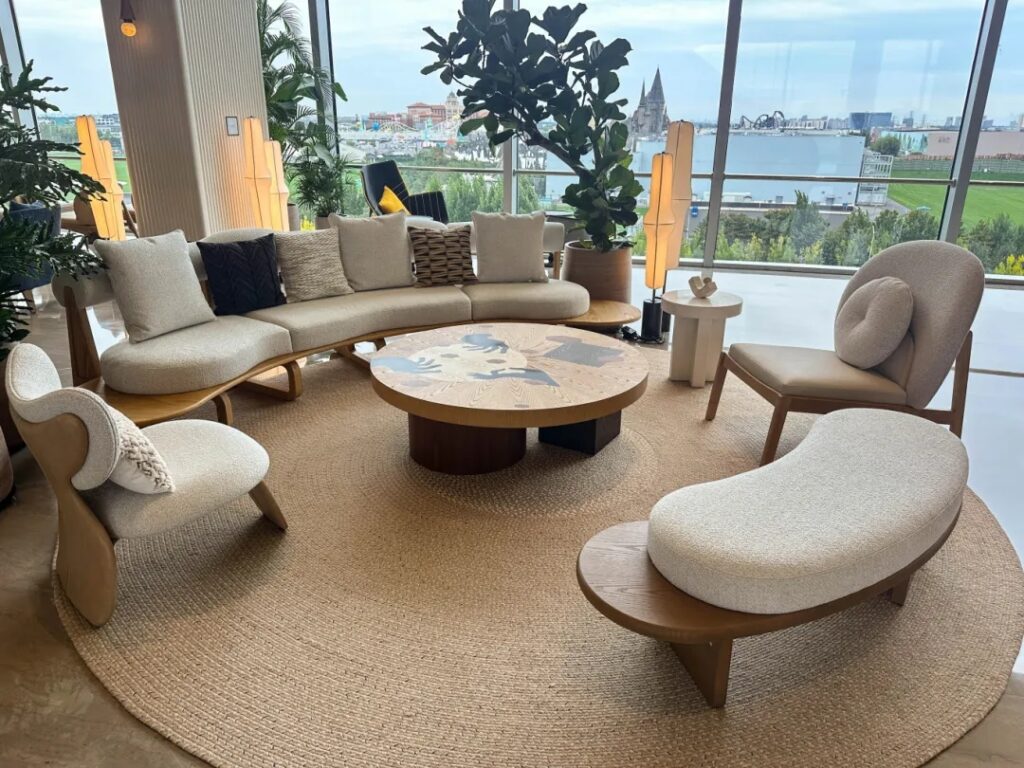
Evaluating and Negotiating Warranty Terms
Evaluating commercial furniture warranty coverage should be a formal step in your FF&E procurement process, not an afterthought.
- Request the full warranty document, not just brochure bullets, and ensure it is attached to the purchase agreement.
- Press for written definitions of “normal commercial use,” “industry tolerance,” and “reasonable care” with measurable thresholds.
- Check whether remedies are repair, replacement, or credits and whether proration applies after certain years.
- Negotiate freight, labor, and disposal responsibilities, especially for large hospitality projects with international supply chains.
- Verify manufacturer track record: years in business, reference hotel projects, and evidence of past warranty claims handled.
Commercial Furniture Warranty Checklist for Hotel Projects
- Is the 5-year furniture warranty full-coverage or tiered by component and year?
- What are the specific coverage periods for frames, finishes, fabrics, foam, and mechanical parts?
- How are wear and tear, environmental conditions, and improper maintenance defined in the document?
- Who pays for freight, on-site labor, and disposal when warranty replacements are required?
- Does the manufacturer have a proven track record with hotel FF&E projects of similar scale and region?
The Bottom Line: Treat Warranty as Part of Your FF&E Strategy
A commercial furniture warranty is only as strong as the definitions, exclusions, and remedy procedures written into it, and the headline “5-year” or “10-year” label says little about what happens when a batch of chairs fails three years after opening.
FF&E procurement teams should evaluate warranty coverage alongside design, price, and lead time, especially when sourcing from international manufacturers. Selecting commercial furniture suppliers that control their own production and offer clear, contract-level 5-year commercial furniture warranty terms often delivers more real-world protection than an extra two years of marketing coverage printed on a brochure.