Resort furniture procurement is more complex than standard hotel FF&E. It has to perform in two environments at once: indoor spaces that shape first impressions and outdoor areas exposed to UV, salt air, rain, and heavy guest use. If you treat resort furniture like typical hospitality furniture, you will almost always face premature outdoor failures, inconsistent guest experience, and higher five‑year replacement costs. This guide walks through the key challenges, material specifications, supplier evaluation, and an FF&E timeline you can use for 100+ room resort projects.
The Resort Furniture Procurement Challenge: Dual-Environment Performance
Resort furniture faces a dual‑environment challenge: indoor and outdoor requirements often pull in opposite directions.
The Resort Furniture Challenge Matrix
| Challenge | Indoor Requirement | Outdoor Requirement | Conflict Point |
|---|---|---|---|
| Weather resistance | Not critical | Essential (UV, rain, salt air) | True outdoor materials often look industrial |
| Comfort | Plush, luxurious | Durable yet inviting | Thick cushions trap moisture and dry slowly outdoors |
| Weight | Heavier is better (stability) | Lighter is better (rearrangement) | Staff must move furniture daily for setups and cleaning |
| Maintenance | Low (housekeeping routines) | Very low (limited outdoor staff) | Outdoor cleaning must be quick and simple |
| Lifespan | 7–10 years | 5–7 years (harsh conditions) | Outdoor replacement cycles are shorter and more frequent |
This matrix explains why resort furniture procurement cannot simply copy indoor hotel specs. Every decision needs to balance guest comfort against weather resistance, maintenance workload, and realistic lifespan.
Outdoor Resort Furniture Material Guide: Frames, Cushions, and Table Tops
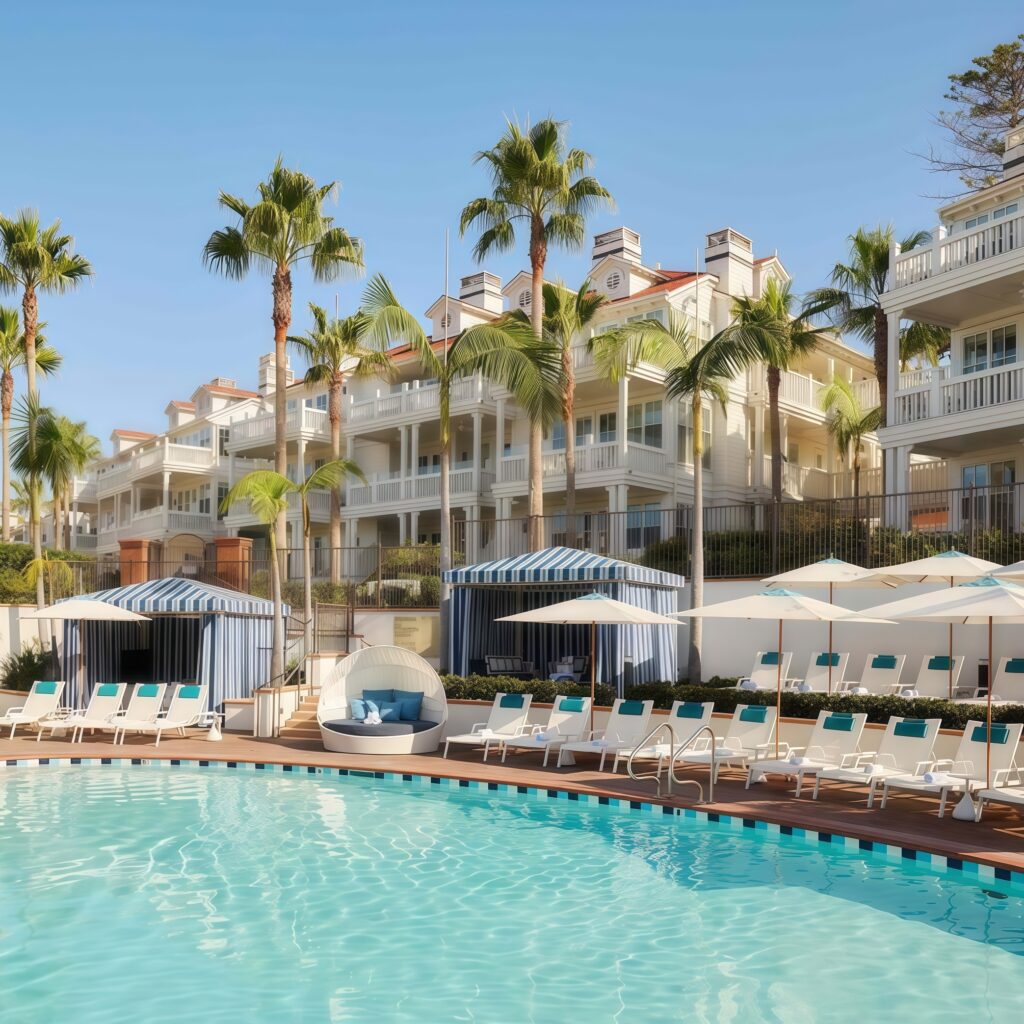
To solve the dual‑environment problem, start with outdoor resort furniture materials that can survive UV, salt air, and daily rearrangement.
Frame Materials for Outdoor Resort Furniture
| Material | UV Resistance | Corrosion Resistance | Weight | Lifespan | Price (USD/chair) |
|---|---|---|---|---|---|
| Marine‑grade aluminum | Excellent | Excellent (anodized) | Light | 15+ years | 200–600 |
| 316 stainless steel | Excellent | Excellent (coastal rated) | Heavy | 20+ years | 400–1,200 |
| Teak (plantation) | Natural oils | Good | Medium | 10–15 years | 300–800 |
| Powder‑coated steel | Good | Moderate (chips = rust) | Heavy | 5–8 years | 100–350 |
| Synthetic wicker (HDPE) | Excellent | Excellent | Light | 7–10 years | 150–500 |
| Concrete composite | Excellent | Excellent | Very heavy | 20+ years | 500–1,500 |
These frame options show why coastal resort furniture near salt water should prioritize 316 stainless steel or marine‑grade aluminum, even if upfront costs are higher. Powder‑coated steel is rarely suitable within about a mile of the shoreline due to corrosion risk.
Coastal resort rule: Within roughly 1 mile of saltwater, specify 316 stainless steel or marine‑grade aluminum as standard. Avoid powder‑coated steel for primary outdoor seating and loungers.
Cushion and Upholstery Materials for Outdoor Furniture
| Material | Water Resistance | UV Fade Resistance | Comfort | Dry Time | Typical Warranty |
|---|---|---|---|---|---|
| Sunbrella acrylic | Water‑repellent | Excellent, 5‑year fade | Soft | 1–2 hours | 5 years |
| Olefin | Water‑repellent | Excellent | Medium | 30–60 minutes | 3 years |
| Marine vinyl | Waterproof | Good, ~3‑year fade | Firm | Wipe dry | 3 years |
| Quick‑dry foam + cover | Drains through | Depends on cover fabric | Plush | ~1 hour | ~2 years |
| Textilene mesh | Waterproof | Excellent | Firm, no cushion needed | Essentially instant | 5 years |
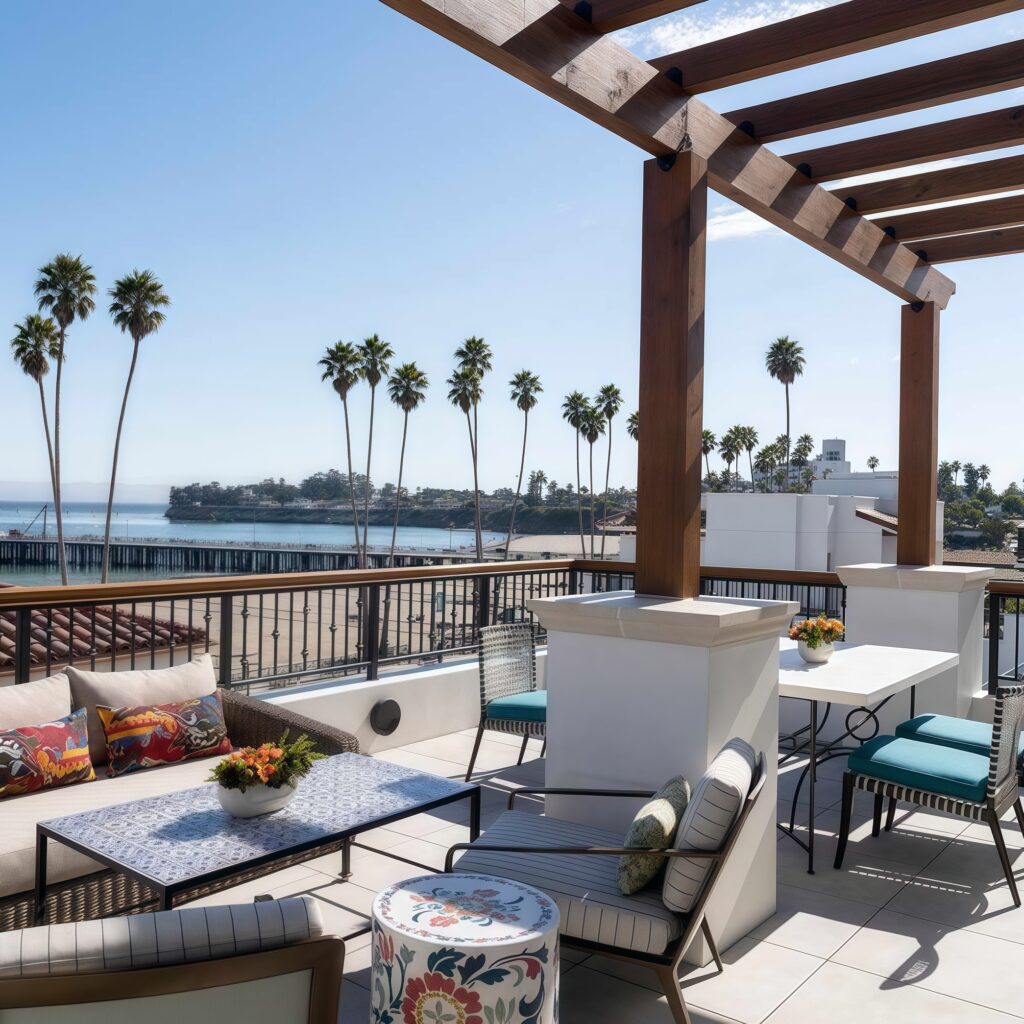
This table highlights that fabric brand is only half the story; foam type and dry time drive real-world guest comfort and maintenance workload. For poolside and beachfront seating, quick‑dry foam with Sunbrella or olefin covers often delivers the best balance of comfort and practicality.
Table Top Materials for Outdoor Resort Areas
| Material | Heat Resistance | Stain Resistance | Weight | Maintenance | Best Application |
|---|---|---|---|---|---|
| Sintered stone | Excellent | Excellent | Medium | None | Poolside dining, full‑sun bar tops |
| Porcelain tile | Excellent | Excellent | Medium | Minimal | Restaurant terraces |
| Teak | Good (may gray) | Moderate | Medium | Annual oiling | Beachside lounging |
| Concrete | Excellent | Good (if sealed) | Very heavy | Annual sealing | Permanent poolside installations |
| Aluminum | Excellent | Excellent | Light | None | Portable pool and terrace tables |
| HPL laminate | Good | Very good | Light | Minimal | Budget outdoor dining |
Choosing outdoor tabletops should reflect how often you expect to move furniture, how intense sun exposure is, and how much maintenance staff can realistically perform each year.
Indoor Resort Furniture for Lobby, Restaurant, and Spa Areas
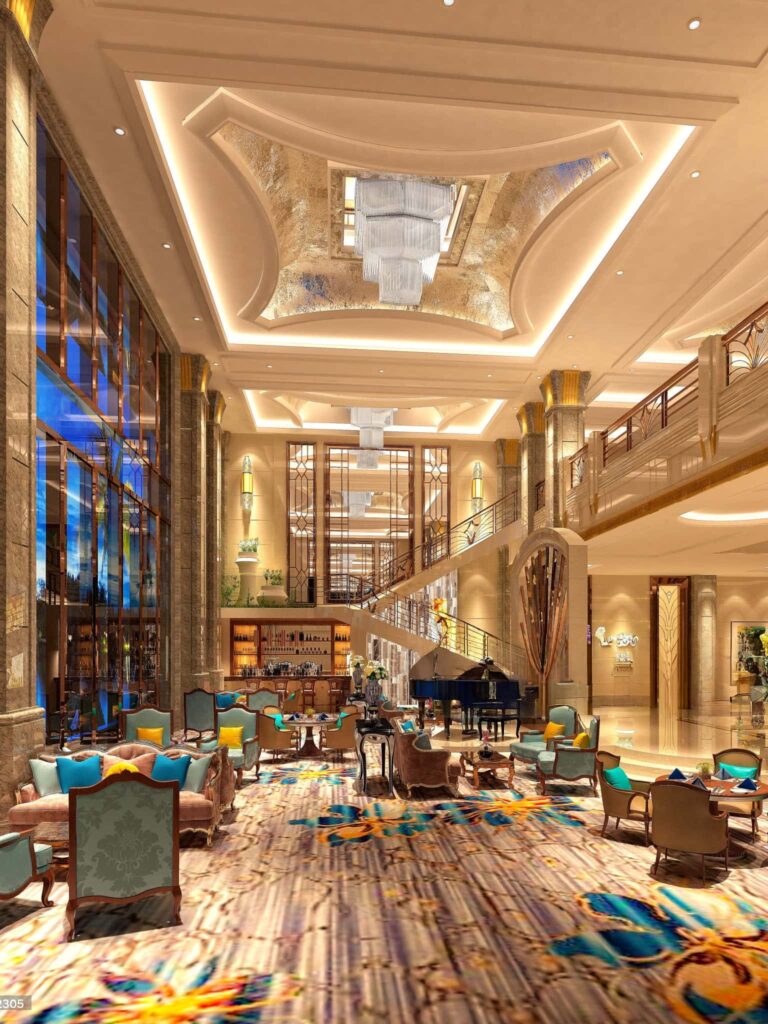
Once outdoor specifications are clear, you can balance them with indoor resort furniture solutions for lobby, restaurant, and spa spaces.
Hotel Furniture
Lobby and Reception Furniture
| Item | Specification | Quantity (per 100 rooms) | Typical Lead Time |
|---|---|---|---|
| Lounge seating | Contract‑grade, Crypton or similar performance fabric, ≥50K double rubs | 8–12 pieces | 10–14 weeks |
| Coffee tables | Solid surface or stone tops, sealed wood or metal bases | 4–6 pieces | 8–12 weeks |
| Reception desk | Custom millwork, integrated power, cable management, LED lighting | 1 unit | 12–16 weeks |
| Accent lighting | Statement pendants and wall sconces | As per design | 8–14 weeks |
| Area rugs | Contract‑grade, solution‑dyed, antimicrobial treatment | 2–4 pieces | 6–10 weeks |
These lobby specifications emphasize durability and cleanability while supporting the resort’s visual identity and first‑impression experience.
Restaurant and Bar Furniture
| Item | Specification | Quantity (per 100 seats) | Typical Lead Time |
|---|---|---|---|
| Dining chairs | Commercial stackable, ≥50K double rubs, easy‑clean upholstery | 80–100 units | 10–14 weeks |
| Dining tables | Solid surface tops with solid wood or metal bases | 20–30 units | 8–12 weeks |
| Bar stools | Footrest, optional swivel, spill‑resistant upholstery | 15–25 units | 8–12 weeks |
| Booths | Custom dimensions, Crypton or vinyl, sound‑dampening construction | 4–8 units | 12–16 weeks |
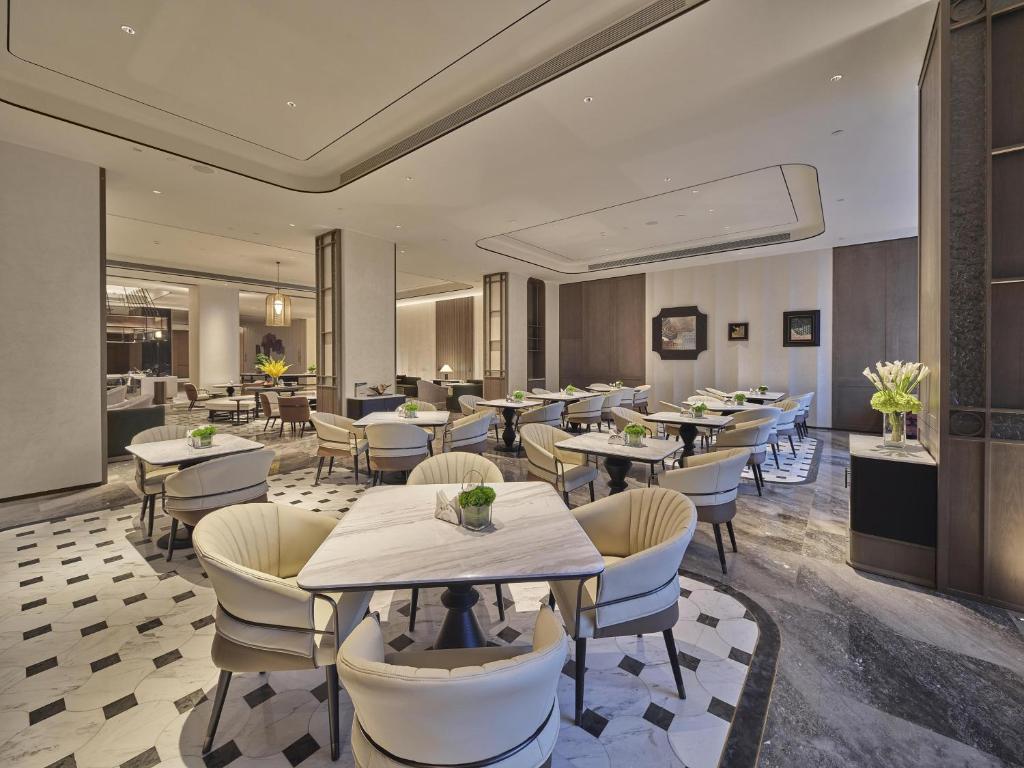
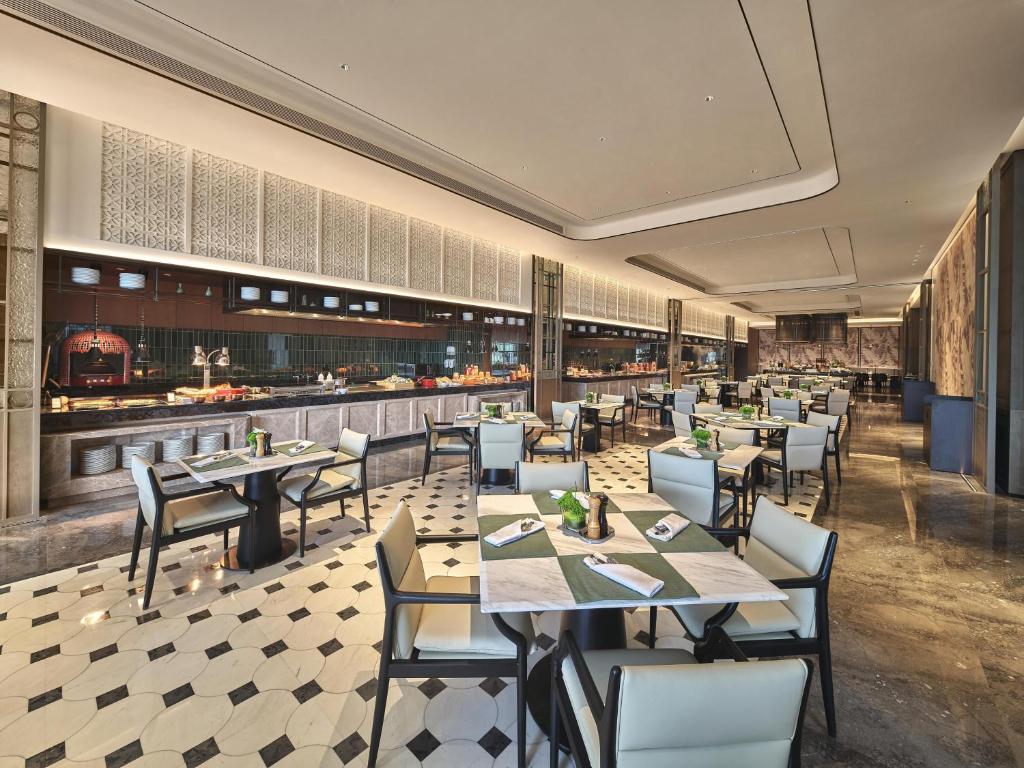
Restaurant and bar furniture must handle high turnover, spills, and rearrangements while maintaining a cohesive aesthetic with the rest of the resort.
Spa and Wellness Furniture
| Item | Specification | Unique Requirement |
|---|---|---|
| Treatment tables | Hydraulic or electric, cushioned, wipeable surfaces | In some jurisdictions, medical‑grade certification |
| Lounge seating | Water‑resistant upholstery, antimicrobial | High humidity and wet environments |
| Storage cabinetry | Moisture‑resistant construction, soft‑close hardware | Cedar or treated interiors, if specified |
| Robe hooks/shelves | 316 stainless steel | Corrosion resistance in wet zones |
Spa and wellness areas often sit somewhere between indoor and outdoor conditions; moisture, oils, and humidity should shape material choices as much as comfort.
Supplier Evaluation for Resort Furniture Procurement: Resort-Specific Criteria
Most problems in resort FF&E come from selecting suppliers with attractive catalogs but limited outdoor depth, weak coastal warranties, or limited large‑project experience.
Resort Supplier Scoring Model
| Criteria | Weight | Score 1 (Poor) | Score 3 (Average) | Score 5 (Excellent) |
|---|---|---|---|---|
| Outdoor furniture catalog depth | 25% | <10 outdoor models | 10–30 outdoor models | 50+ outdoor models, customization options |
| Coastal warranty | 20% | No coastal warranty | 1–3 year coastal warranty | 5+ year coastal warranty on frames |
| Project scale capability | 20% | Only <50‑room projects delivered | 50–200 room projects delivered | 200+ room resort projects delivered |
| Sample program | 15% | No free samples | Paid samples only | Free material samples and loaner furniture for mock‑ups |
| Installation support | 10% | Delivery only | Delivery plus uncrating | Full installation, placement, and punch‑list service |
| Replacement parts availability | 10% | No parts program | Limited common parts only | Full parts catalog, 5‑year availability guarantee |
This scoring model forces you to quantify a supplier’s outdoor catalog depth, coastal warranty commitments, and ability to support resort‑scale FF&E projects instead of relying only on brochures and price lists.
For resort projects, you should target a minimum weighted average score of about 3.5. Suppliers below that threshold may still be suitable for small indoor packages but are risky for full resort‑scale FF&E, especially outdoors.
Resort FF&E Procurement Timeline for 100+ Room Projects
For large resort projects, compressing the FF&E timeline too aggressively almost always leads to incomplete outdoor areas or missed opening dates.
Typical Resort FF&E Timeline
| Phase | Timeline | Key Activities | Risk Mitigation |
|---|---|---|---|
| Specification | Weeks 1–6 | Finalize selections, approve samples | Order material swatches for sun/fade and salt exposure tests |
| Ordering | Weeks 6–8 | Issue POs, confirm production schedules | Confirm Chinese New Year or other regional holidays that affect capacity |
| Production | Weeks 8–20 | Factory production, mid‑stream inspections | Third‑party QC at ~30%, 60%, and pre‑shipment stages |
| Shipping | Weeks 20–24 | Ocean freight, customs clearance | Track vessel, pre‑clear customs documentation |
| Receiving | Weeks 24–26 | Warehouse inspection, damage documentation | Photograph every item, file freight and damage claims within ~48 hours |
| Installation | Weeks 26–32 | Room‑by‑room installation, indoor then outdoor | Install indoor first; schedule outdoor last to avoid weather damage during install |
| Punch list | Weeks 32–34 | Final inspection, replacement orders | Allow 2–3 weeks for outdoor item replacements |
For most 100+ room resort furniture procurement projects, trying to compress this into 16–20 weeks is a recipe for either unfinished outdoor areas or compromised quality.
Frequently Asked Questions on Resort Furniture Procurement
Q1: What is the most cost-effective outdoor furniture solution for a beachfront resort?
Marine‑grade aluminum frames with Sunbrella cushions are typically the most cost‑effective combination for beachfront resorts. Aluminum is lightweight for daily staff rearrangement, corrosion‑proof in salt air when properly treated, and competitively priced. Sunbrella or equivalent acrylic fabrics provide excellent UV and moisture resistance. With proper maintenance, you can expect around 7–10 years of service life for frames and about 3–5 years for cushions.
Q2: How can we protect outdoor furniture during tropical storms?
Designate indoor storage for cushions, which are the most vulnerable components. For frames, specify furniture that can be stacked or nested quickly and install permanent anchor points in pool decks and terraces to secure items during high‑wind events. Create a written storm protocol that staff can execute in under two hours, covering cushion removal, stacking, and securing of frames.
Q3: Should indoor and outdoor resort furniture come from the same supplier?
Ideally, yes. A single supplier ensures design cohesion across indoor and outdoor spaces, simplifies logistics (one main PO, consolidated containers, streamlined receiving), and provides a single point of accountability for quality and timing. However, if no supplier excels in both indoor and outdoor resort furniture, prioritize outdoor specialists for coastal and pool areas, then coordinate indoor furniture to match finishes and proportions.
Q4: What is the typical replacement cycle for resort outdoor furniture?
Frames generally last 7–10 years for aluminum, 5–8 years for steel, and 10–15 years for well‑maintained teak. Cushions often need replacement every 3–5 years due to foam degradation and fabric wear, even with premium outdoor fabrics. As a rule of thumb, budget about 15–20% of the initial outdoor furniture cost annually for replacement, reupholstery, and refurbishment.
Q5: How should we specify furniture for a resort with multiple climate zones, such as mountain and beach areas?
Create separate FF&E specifications for each microclimate. Mountain areas require cold‑weather materials that resist UV at higher altitude and handle freeze‑thaw cycles. Beach zones demand high humidity and salt‑air resistance. The design language—colors, forms, and branding—can remain consistent across the resort, but material specifications must differ by zone. Work with suppliers who can demonstrate experience in multi‑climate resort projects.
Hongye delivers resort‑scale FF&E solutions that integrate outdoor and indoor furniture, designed specifically for harsh resort environments and luxury guest expectations. If you share your resort master plan and room counts, we can propose an indoor/outdoor FF&E package, validate materials against coastal and climate requirements, and outline a realistic procurement timeline with risk buffers for your opening date.