Understanding how much designers charge for FF&E procurement is essential for hotel owners, developers, and project managers who need to control furniture, fixtures, and equipment costs in 2026. In this guide, we explain FF&E procurement fee structures, typical price ranges, and the key factors that influence your final budget so you can negotiate confidently and avoid surprises.
What Is FF&E Procurement and Why It Matters
FF&E procurement covers the complete process of sourcing, purchasing, and coordinating furniture, fixtures, and equipment for hotels, resorts, offices, and other commercial projects. A professional FF&E procurement designer does more than simply place orders; they manage specifications, vendor selection, factory production, logistics, and installation to ensure the design intent is executed accurately on site.
For owners, FF&E procurement fees are usually between 8–18% of the FF&E budget for hospitality projects, or a fixed cost per room or per workstation. Although hiring a designer adds a visible fee line to the budget, experienced FF&E procurement firms often save 30–50% off retail through trade discounts and prevent costly specification and logistics mistakes.
Why FF&E Procurement Fees Vary So Much
Several project variables make FF&E procurement pricing differ from one project to another, even when the number of rooms looks similar on paper. Understanding these drivers helps you benchmark quotations and choose the right fee model for your project.
- Project size and scope
A 40‑room boutique hotel typically pays a higher percentage than a 300‑room business hotel because smaller projects do not benefit from economies of scale. - Service level and responsibilities
“Procurement only” services focus on ordering and logistics, while full turnkey FF&E design, procurement, and installation management can be three to four times more expensive per room. - Designer experience and specialization
A junior designer or online procurement service can be significantly cheaper than a hospitality FF&E specialist with decades of international project experience. - Project complexity and customization
Custom millwork, imported items, multi‑zone public areas, and detailed mock‑ups add design and coordination hours, increasing the total fee compared with standard guest room packages. - Geographic market and sourcing strategy
Domestic sourcing in Southeast Asia or China tends to be more cost‑effective, while remote sites, international shipping, and complex import procedures increase logistics management costs.
Five Common FF&E Procurement Fee Structures
Most FF&E designers use one of five main fee structures, or a hybrid combination of them. Each model has different advantages depending on project type, risk level, and your preference for cost transparency.
1. Percentage of FF&E Budget
For hotels and resorts, the most common FF&E procurement pricing model is a percentage of the total FF&E budget. Smaller projects under 50 rooms often see 15–25% fees, while large properties over 200 rooms may fall in the 6–12% range because fixed base work spreads across more rooms. For a 200‑room hotel with a 3 million USD FF&E budget, procurement fees typically land between 180,000 and 360,000 USD depending on service scope and complexity.
This model aligns the designer’s incentives with project quality and encourages careful vendor and product selection. However, because the fee grows as the FF&E budget increases, owners should guard against over‑specification or overspending purely to raise fees.
2. Fixed Fee or Lump Sum
Some FF&E designers prefer a fixed per‑room fee or lump sum, especially when the scope and timeline are clearly defined. Procurement‑only services may range from 800–2,000 USD per room, while combined design and procurement services commonly fall between 2,500–5,000 USD per room. Turnkey projects that include design, procurement, and installation coordination can reach 4,000–8,000 USD per room depending on brand standards and customization level.
Fixed fees offer strong budget certainty for owners, but designers may protect their margin by limiting extra coordination or resisting major changes, so contracts should define what is included and how change orders are handled.
3. Hourly Rate
On complex or highly customized projects, designers sometimes charge hourly for FF&E design and procurement management. Senior designers or principals often bill 150–350 USD per hour, project managers 100–200 USD per hour, and design associates and procurement coordinators between 60 and 150 USD per hour. In a typical 200‑room hotel, total hours can easily exceed several thousand, resulting in six‑figure professional fees.
Hourly billing gives full transparency and lets you pay only for work actually completed. The trade‑off is that total cost can be unpredictable, and scope creep can quickly push the budget higher than a fixed‑fee alternative if project decisions are delayed or frequently revised.
4. Cost‑Plus or Markup on Wholesale
In a cost‑plus model, the FF&E designer purchases at wholesale or trade prices, then adds a markup when reselling to the client. Straight markups often range from 25–40%, while tiered systems may apply lower percentages on larger purchase volumes and slightly higher margins on smaller ticket items. Some designers use a “net cost + management fee” structure, where the owner sees actual procurement costs plus a separate 15–25% service fee.
Cost‑plus models reward designers for leveraging trade discounts and vendor relationships to secure favorable pricing. Owners benefit from access to factory‑direct pricing and professional quality control, but should negotiate transparent reporting or audit rights to understand real wholesale costs.
5. Hybrid Fee Models
On large, multi‑phase projects, hybrid fee structures balance transparency and performance incentives. Common combinations include hourly design fees plus a percentage‑based procurement fee, or a fixed base fee supported by cost‑plus procurement for custom items. Another popular hybrid approach adds a performance bonus if the designer delivers the project on time or under budget compared with an agreed baseline.
Hybrid models require clear documentation and careful negotiation, but they allow owners to match fee components to project risks—for example, paying hourly only for high‑uncertainty design work, while standardizing procurement costs via percentage or markup.
What Is Usually Included in FF&E Procurement Fees
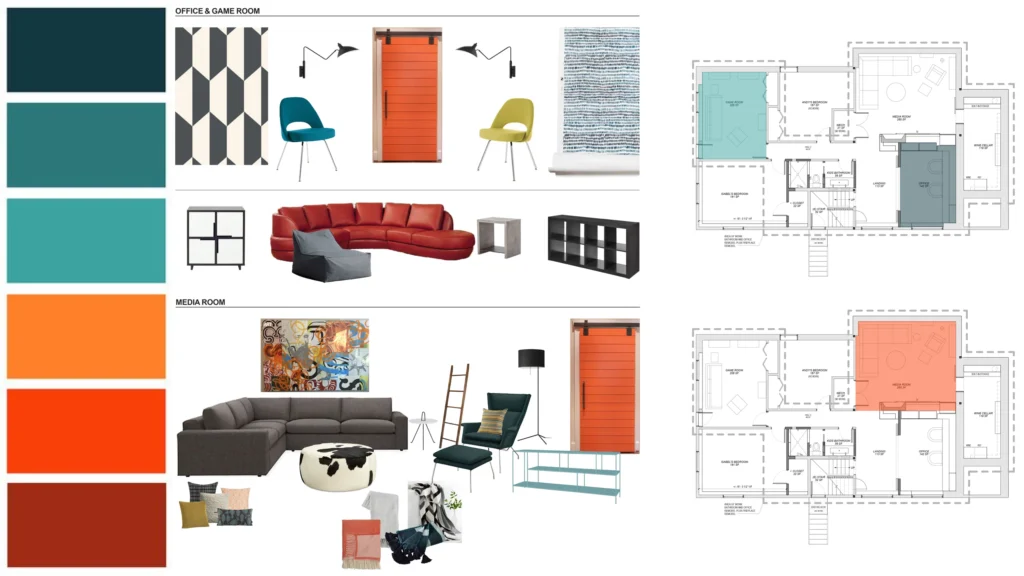
Different designers bundle services differently, so it is essential to clarify which tasks are included in the FF&E procurement fee and which are billed separately. In general, FF&E procurement can cover:
- Design concept and furniture selections
Translating brand standards and interior design concepts into actual furniture and fixture specifications that match the aesthetic and functional requirements. - Specification writing and documentation
Preparing detailed FF&E schedules, material lists, and technical documents for factories and vendors, including finishes, dimensions, and performance standards. - Vendor sourcing and bidding
Identifying suitable manufacturers, collecting quotations, negotiating trade discounts, and recommending vendors based on price, quality, and delivery capability. - Purchase order and production management
Issuing purchase orders, tracking factory production, arranging inspections, and ensuring products meet agreed specifications before shipping. - Logistics coordination and delivery planning
Managing consolidation, shipping, customs clearance, and on‑site delivery schedules to align with construction progress and installation plans. - Installation oversight and punch list resolution
Supporting installation teams, checking items against drawings on site, and handling replacement or repair of damaged or non‑conforming pieces.
Some designers include most of these services in a percentage or fixed fee, while others separate logistics and installation management into hourly or additional packages. Travel and factory inspection costs for international projects are usually billed separately and should be budgeted in advance.
Typical FF&E Procurement Fees by Project Type
To benchmark quotations, owners can compare FF&E procurement fees on a per‑room or per‑workstation basis for different project types:
- Economy hotels
FF&E budgets commonly run between 3,000–5,000 USD per room, with procurement fees around 12–18% of the FF&E budget, or roughly 360–900 USD per room. - Midscale and upscale hotels
Midscale properties often see 5,000–10,000 USD per room with 10–15% procurement fees, while upscale hotels in the 10,000–20,000 USD per room range typically pay 8–14% for FF&E procurement. - Luxury hotels and resorts
With FF&E budgets ranging from 20,000–50,000 USD per room or more, procurement fees are usually between 8–12%, equivalent to 1,600–6,000 USD per room, depending on custom design and brand expectations. - Offices and workplace projects
For office workstations, FF&E budgets often fall between 2,000 and 5,000 USD per seat, and FF&E procurement fees in the range of 8–12% are typical when designers handle both sourcing and logistics. - Healthcare projects
Patient room FF&E budgets can reach 8,000–15,000 USD per room, with procurement fees between 10 and 15 percent, reflecting higher technical requirements and stricter compliance standards.
These benchmarks are starting points; actual fees will vary according to your local market, the number of room types, and whether the project is a new build, conversion, or brand upgrade.
Factors That Increase FF&E Procurement Costs
Several common situations can significantly increase FF&E procurement fees, even if the base fee structure seems competitive on paper.
- High share of custom furniture
Custom casegoods, bespoke seating, and non‑standard finishes add design, engineering, and factory coordination time, often increasing procurement hours by 20–40%. Limiting custom items to 20–30% of the FF&E budget can control this premium. - International sourcing and complex logistics
Cross‑border shipping, container consolidation, customs clearance, and remote site deliveries add 15–30% to the logistics management workload compared with domestic sourcing. - Phased deliveries and multi‑building projects
Delivering FF&E in stages for multiple buildings or phases requires extra coordination, potentially adding 10–20% to procurement management costs if not carefully planned. - Frequent design changes after ordering
Changes made after purchase orders are issued cause rework, cancellation fees, and additional negotiations with vendors, which can increase procurement hours by 15–50%. - Accelerated schedules and rush orders
Tight deadlines force designers and suppliers to expedite production and shipping, often incurring premium factory charges and higher logistics fees, adding 10–25% to the total cost.
By identifying these risk factors early, owners can either adjust the FF&E budget or negotiate a clearer fee structure that covers realistic scenarios without hidden surcharges.
How to Negotiate FF&E Procurement Fees Effectively
Smart negotiation is not only about pushing percentages down; it is about aligning scope, risk, and incentives. The following strategies help owners secure fair, transparent FF&E procurement pricing:
- Separate design from procurement
Consider paying hourly or fixed fees for design work and using cost‑plus or tiered markups for procurement. This approach increases pricing transparency while keeping overall fees competitive. - Cap percentage‑based fees
When using a percentage of the FF&E budget, agree on a maximum fee cap linked to a realistic budget range so the fee does not unintentionally grow with last‑minute upgrades. - Offer volume commitments
Multi‑property agreements—such as three hotels or 600 rooms total—allow designers to plan resources efficiently, often reducing per‑room procurement fees by 5–10%. - Define owner‑procured items
In some cases, owners may wish to purchase certain casegoods or standard items directly, while designers focus on custom or critical items. This can reduce procurement fees on straightforward categories and still keep professional support where it matters. - Use performance clauses
Add bonuses for on‑time delivery, budget savings against a target, or reduced defect rates at handover. Aligning rewards with key project outcomes helps ensure the designer’s team stays focused on results.
Clear scopes, detailed RFP documents, and comparable quotations from multiple FF&E procurement firms make it easier to evaluate fee proposals and choose the best fit for your project.
Regional Differences in FF&E Procurement Pricing
FF&E procurement fees and hourly rates differ across regions due to labor costs, market maturity, and typical project sizes.
In the United States and Western Europe, procurement fees typically sit at the higher end of the percentage range, and hourly rates are correspondingly higher. The Middle East often features large‑scale projects with competitive fees, while Southeast Asia and domestic Chinese markets offer more budget‑friendly options, especially for factory‑direct sourcing. International FF&E firms operating in China and Asia can combine global standards with local production, but their fees usually reflect premium service levels and multilingual project management.
When comparing quotations from different regions, owners should weigh not only the headline fee but also travel costs, cultural and language fit, and the designer’s ability to manage cross‑border logistics and quality control.
Is It Cheaper to Buy FF&E Without a Designer?
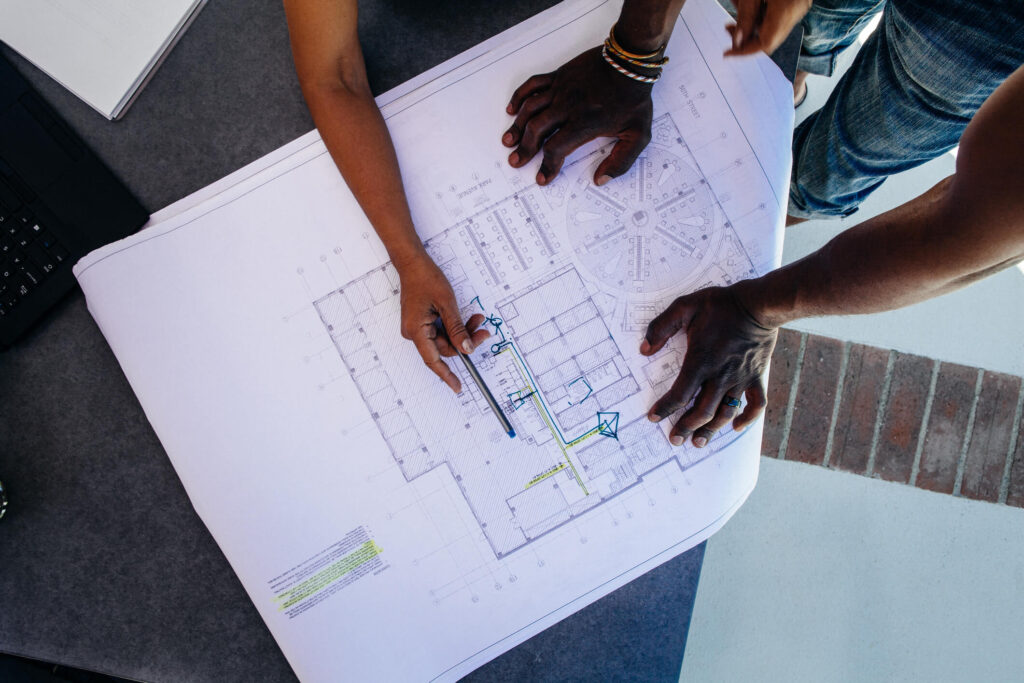
At first glance, skipping FF&E designers and procuring directly seems cheaper because you avoid the 8–18% procurement fee. However, many owners find that overall project costs do not fall as much as expected. Without an experienced FF&E procurement specialist, projects often miss out on trade discounts, suffer from specification errors, and face delays due to weak vendor coordination.
After factoring in lost discounts, additional mistakes, and extra internal coordination time, the real savings of going fully direct are often only a few percent. For complex or brand‑driven projects, hiring an FF&E procurement designer usually delivers better long‑term value and smoother operations.
Choosing the Right FF&E Procurement Partner
Selecting the right FF&E procurement partner is as important as choosing the correct fee structure. When evaluating firms, owners should consider the following:
- Proven sector experience (hospitality, office, healthcare, retail)
- Track record with similar project sizes and locations
- Transparent pricing with clearly defined services and exclusions
- Strong vendor networks and factory‑direct relationships
- Ability to coordinate international logistics and installation
Ask candidates to share case studies, reference projects, and examples of how they handled budget constraints or schedule challenges. A good FF&E procurement designer not only optimizes furniture and fixture costs but also protects your brand, guest experience, and long‑term asset value.
Conclusion: Get Transparent FF&E Procurement Pricing for Your Project
FF&E procurement fees vary widely, but understanding the main fee structures, typical ranges, and cost drivers makes it easier to compare proposals and select the best partner for your project. By combining realistic budgets, clear scopes, and well‑negotiated contracts, hotel owners and developers can secure professional FF&E procurement support without losing control of costs.
If you are planning a hotel, resort, office, or mixed‑use project and want transparent FF&E procurement with factory‑direct pricing and full project management from design through installation, consider working with a specialist FF&E procurement firm. With the right team and structure, your 2026 project can achieve high design quality, on‑time delivery, and optimized FF&E investment.