
FF&E installation is the final mile of hotel development, when purchased furniture, fixtures, and equipment finally become a finished, guest-ready property. In this phase, every box, bracket, and bed frame must arrive on time, in the right place, and in perfect condition. Consequently, a clear plan for a timeline, cross-trade coordination, and quality assurance is essential if you want to avoid costly delays and punch list overruns.
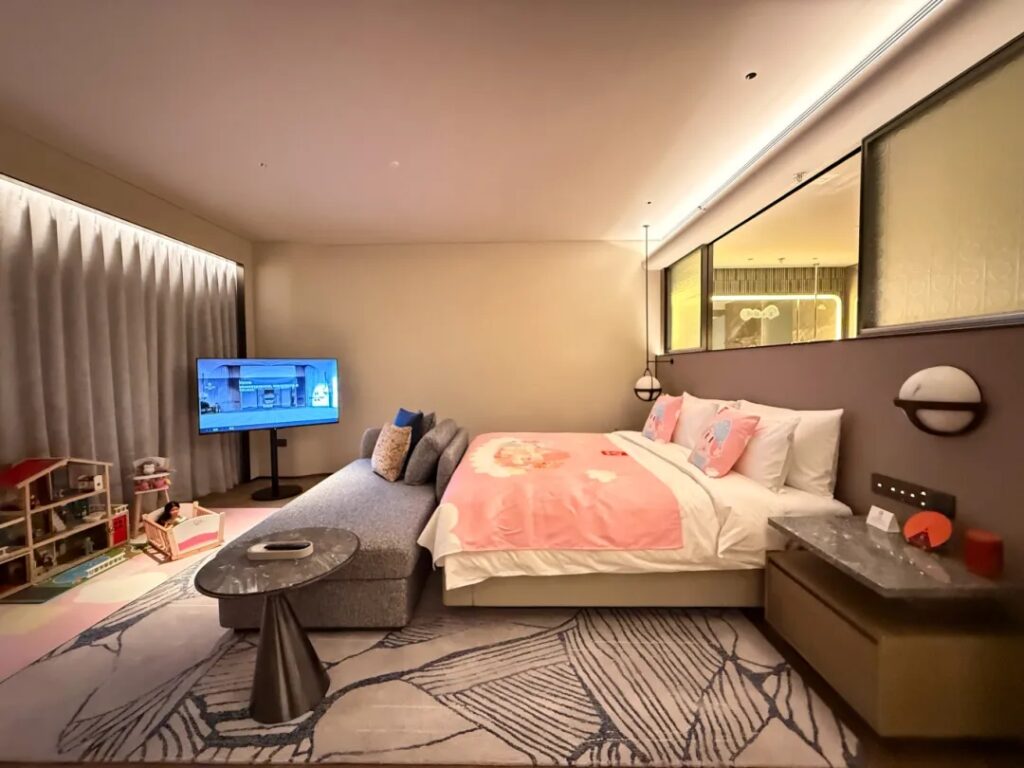
Why FF&E Installation Is the Highest-Risk Phase
The installation phase concentrates all prior decisions—design, procurement, and logistics—into a compressed window with almost zero margin for error. Even a single coordination failure can cascade into weeks of delay and unexpected cost. To control this risk, you need to understand where problems typically occur and design your processes around them.
| Risk | Probability | Impact | Root Cause |
|---|---|---|---|
| Delivery misalignment | High | Delayed opening | Procurement and logistics not synchronized |
| Site damage to FF&E | Medium | $50K–$500K replacement | No storage protocol, no protection plan |
| Cross-trade conflicts | High | Rework and schedule slip | Electrical/plumbing installed before FF&E coordination |
| Quality failures | Medium | Guest complaints, brand audit failures | No inspection protocol before turnover |
| Missing hardware/parts | High | Delayed room completion | Incomplete receiving verification |

Hotel Furniture
Installation Timeline: 12‑Week Framework
A structured 12‑week installation framework keeps the project moving and the team aligned. The following phases outline who owns what, how long it takes, and where typical bottlenecks appear.
Phase 1: Pre‑Installation Planning (Weeks 1–2)
During the first two weeks, the project team validates site readiness and locks in the installation strategy. At this stage, front‑loaded planning prevents last‑minute surprises during execution.
| Task | Owner | Deliverable | Duration |
|---|---|---|---|
| Site readiness inspection | Project manager | Punch list of incomplete work | 2–3 days |
| FF&E receiving schedule | Logistics coordinator | Staging plan by floor/room | 1 day |
| Storage layout plan | FF&E installer | Protected zones per trade | 1 day |
| Installation sequence doc | FF&E project manager | Room‑by‑room order | 2 days |
| Quality checklist creation | QA manager | Inspection protocol per item | 1 day |
| Tool and equipment inventory | Lead installer | Verification of all tools on‑site | 1 day |
Phase 2: Receiving and Staging (Weeks 2–4)
Once planning is complete, the focus shifts to receiving and staging. At this point, disciplined handling and documentation protect both schedule and budget.
| Step | Protocol | Quality Check | Time per Shipment |
|---|---|---|---|
| Unloading | Hand‑unload only, no dropping | Count pieces vs. packing list | 30 min per pallet |
| Visual inspection | Check for transit damage | Photograph any damage immediately | 15 min per item |
| Inventory verification | Scan or tick off BOM | Flag shortages within 24 hours | 20 min per room set |
| Protective wrapping | Keep original packaging until install | Verify no moisture exposure | 10 min per item |
| Staging placement | Deliver to floor/room zone | Confirm correct location per plan | 15 min per cart |
As a rule, never remove protective wrapping until the room is truly ready for installation. Otherwise, unwrapped items sitting in an active construction zone will almost always get damaged.
Phase 3: Installation by Zone (Weeks 4–9)
After materials are staged, installation proceeds zone by zone. This structured approach allows trades to work in parallel while still respecting critical dependencies.
| Zone | Typical Duration (per room) | Dependencies | Common Issues |
|---|---|---|---|
| Bathroom | 4–6 hours | Plumbing complete, tile sealed | Vanity not fitting around supply lines |
| Bedroom | 6–8 hours | Electrical outlets positioned, paint dry | Headboard blocking missing in wall |
| Living area (suites) | 4–6 hours | Floor finished, baseboards installed | Sofa dimensions not matching alcove |
| Corridor and lobby | 1–3 days | Flooring, lighting complete | Art installation requiring specific wall prep |
| F&B outlets | 3–5 days | Kitchen equipment, fire suppression | Table bases not level on finished floor |
Phase 4: Punch List and Remediation (Weeks 9–11)
Even with strong planning, issues will surface during a large hotel installation. Therefore, a realistic punch‑list strategy focuses on fast categorization, clear ownership, and predictable resolution times.
| Category | Typical % of Items | Resolution Time | Cost Impact |
|---|---|---|---|
| Hardware missing (screws, brackets) | 30% | 1–3 days | Low ($5–$50/item) |
| Cosmetic damage (scratches, dents) | 25% | 3–7 days | Medium ($50–$500/item) |
| Functional issues (drawers sticking, doors misaligned) | 20% | 1–5 days | Medium ($100–$1,000/item) |
| Wrong item or finish | 10% | 7–21 days (reorder) | High ($500–$5,000/item) |
| Structural defect | 5% | 14–30 days (manufacturer warranty) | Very high ($1,000–$10,000/item) |
| Installation error | 10% | 1–3 days | Low (labor only) |
Phase 5: Final Inspection and Turnover (Weeks 11–12)
In the final two weeks, the team validates that the hotel is guest‑ready and brand‑compliant. At this point, disciplined inspection protects your reputation as much as your budget.
| Checklist Item | Standard | Inspection Method |
|---|---|---|
| Room completeness | 100% of items per BOM installed | Visual count + photo documentation |
| Functionality | All drawers, doors, mechanisms operational | Open/close test 3 times each |
| Stability | No wobble, all pieces level | Wobble test + level check |
| Cleanliness | No construction debris, dust, or adhesive residue | White glove test |
| Damage‑free | Zero scratches, chips, or stains | Visual inspection at 18 inches |
| Brand compliance | Colors, finishes, and placement match design intent | Side‑by‑side comparison with design boards |

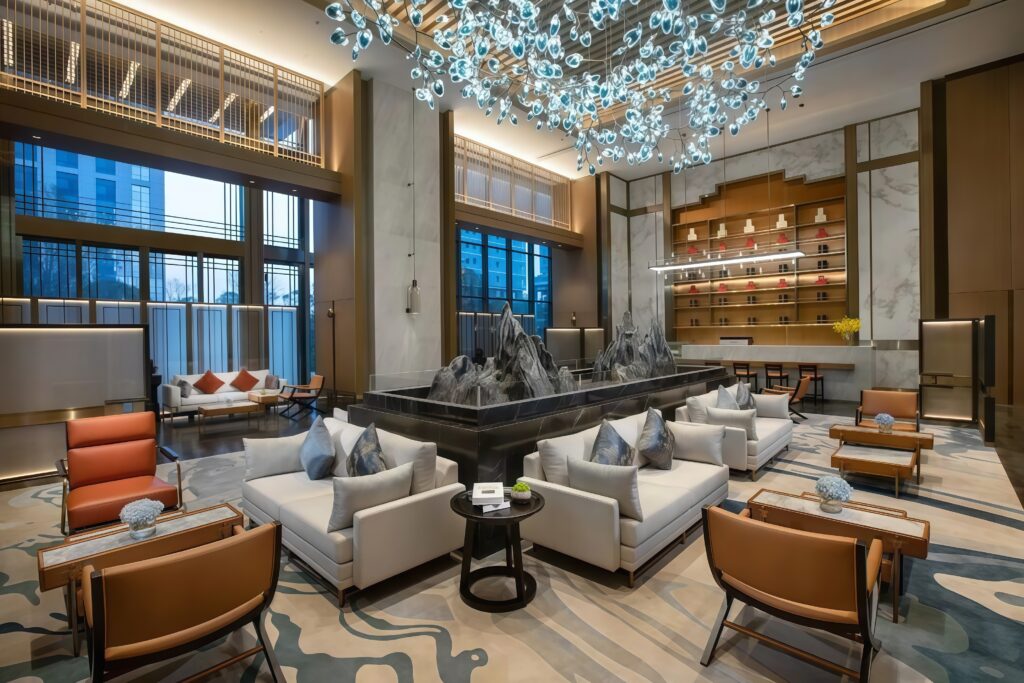

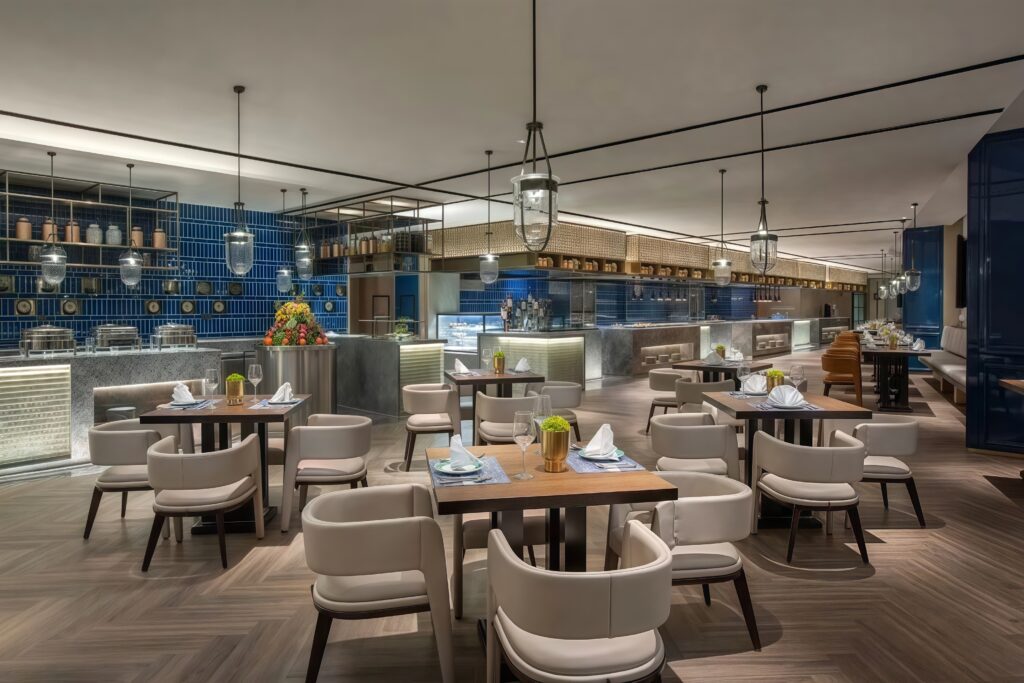
Wingate By Wyndham | Hospitality Project Solution By Hongye Furniture
Cross‑Trade Coordination Matrix
FF&E installers never work in isolation. Instead, every major item depends on other trades, and misaligned sequencing is one of the most common causes of rework.
| FF&E Item | Depends On | Must Coordinate With | Timing Rule |
|---|---|---|---|
| Vanity | Plumbing rough‑in, tile backsplash | Plumber, tile setter | Tile first, then vanity, then faucet |
| Headboard | Wall blocking, electrical (reading lights) | Electrician, framer | Blocking during framing, lights before headboard |
| TV mount | Electrical outlet, data cable, wall reinforcement | Low‑voltage, framer | Cables roughed in, mount installed, TV last |
| Closet system | Wall blocking, baseboard, paint finish | Carpenter, painter | Paint complete, baseboard off during install, reinstall after |
| Lobby seating | Floor finish, power outlets (if powered) | Floor installer, electrician | Floor cured, outlets live |
| Restaurant tables | Floor finish, lighting above | Floor installer, electrician | Floor complete, lighting adjusted for table positions |
By confirming these dependencies during design and pre‑construction meetings, you reduce the chances of last‑minute conflicts on site.
Quality Assurance Protocol
A three‑stage inspection system ensures that every item is correct, installed properly, and ready for guests. Each stage builds on the previous one, which means issues are caught earlier and at a lower cost.
Three‑Stage Inspection System
| Stage | Inspector | Scope | Timing | Documentation |
|---|---|---|---|---|
| Receiving inspection | Warehouse team | Damage, quantity, correctness | At delivery | Receiving report + photos |
| Installation inspection | Lead installer + QA | Proper assembly, anchoring, alignment | Immediately after install | Room sign‑off sheet |
| Final inspection | Project manager + owner rep | Completeness, cleanliness, brand compliance | Before turnover | Punch list + remediation tracking |
Common Quality Failures and Prevention
Common failures are often predictable, and they are usually much cheaper to prevent than to repair later. Therefore, build preventive checks directly into your standard operating procedures.
| Failure | Prevention | Detection Method | Cost to Fix (vs. Prevention) |
|---|---|---|---|
| Wobbly table | Verify floor flatness before install | Shake test | 10x (leveling after install vs. before) |
| Misaligned drawer fronts | Use jigs for consistent installation | Visual alignment check | 5x (reinstall vs. jig) |
| Scratched surface during install | Apply protective film before moving into room | Visual | 20x (refinish vs. protect) |
| Missing wall anchoring | Follow manufacturer anchoring specification | Pull test (25 lbs) | 50x (wall repair after failure vs. anchor) |
| Wrong room placement | Label every item with room number at receiving | Room number verification | 3x (relocate vs. correct placement) |
Logistics Best Practices
Strong logistics make FF&E installation faster, safer, and more predictable. When you treat material flow as carefully as you treat design, the site runs smoother and the punch list stays manageable.
| Practice | Why It Matters | Implementation |
|---|---|---|
| Floor‑by‑floor delivery | Reduces double‑handling and damage | Only deliver to floors where installation is active |
| Vertical lift planning | Elevators have weight and size limits | Pre‑measure largest items, reserve freight elevator |
| Just‑in‑time delivery | Minimizes on‑site storage and theft risk | Schedule deliveries 2–3 days before installation |
| Protection protocol | Construction dust and debris damage finishes | Install FF&E only after wet trades are complete |
| Security and access control | High‑value items are theft targets | Lock installed rooms, key card access only |
Frequently Asked Questions
Q1: How far in advance should FF&E be ordered before the installation date?
For standard items, plan to order 8–12 weeks in advance of installation. For custom or imported items, extend that window to 16–24 weeks and add at least a 2‑week buffer for shipping delays and customs clearance. Ideally, the procurement timeline should be established during the design phase, not after construction begins.
Q2: Who is responsible for FF&E installation damage?
Responsibility depends on the cause of the damage. If the FF&E installer causes damage, they are typically responsible under their contract and insurance. However, when damage results from incomplete site preparation—such as wet paint, unfinished floors, or unprotected areas—the general contractor is usually responsible, so a clear scope-of-work document with site‑readiness requirements prevents disputes.
Q3: How do you handle missing items during installation?
When you discover missing items, document the shortage immediately with photos and a formal shortage report. Then contact the supplier within 24 hours, because most contracts require shortage claims within 48–72 hours of delivery. Meanwhile, keep the installation moving in other rooms or zones so that the overall schedule does not slip.
Q4: What is a reasonable punch list percentage for a 200‑room hotel?
For a well‑managed project, a punch list covering 5–10% of total items is considered normal. If the percentage climbs above 15%, this usually indicates systemic quality issues in procurement, manufacturing, or installation. The project goal should be to resolve 90% of punch items within 7 days and 100% within 14 days of the initial walkthrough.
Q5: Should FF&E installation happen before or after cleaning?
The ideal approach is a two‑stage cleaning plan. First, perform a rough clean before FF&E installation to remove construction debris and dust. Then schedule the final clean after installation is complete, because installing FF&E in an uncleaned space allows construction dust to infiltrate mechanisms and permanently damage finishes.
Hongye provides turnkey FF&E procurement and installation coordination for hotel projects worldwide. From sourcing through final inspection, we manage every detail to deliver guest‑ready rooms on schedule and in line with your brand standards.
The Hilton DoubleTree Hotel | Hospitality Project Solution By Hongye Furniture