Choosing hotel furniture materials starts with the complete product, not the surface name. Veneer, thermally fused laminate (TFL), high-pressure laminate (HPL) and solid wood can all have a place in hotel interiors, but they require different construction, finishing and maintenance decisions.
The right choice depends on the item’s function, exposure, appearance requirements and repair strategy. A wardrobe door and a minibar top may share the same colour, yet need different material specifications.
For procurement, the priority is assembly: review the surface, substrate, adhesive, edges, hardware and installation together.
This guide explains the material differences, how to compare performance evidence and what to include in a hotel FF&E material specification.
Key Takeaways
- HPL is a type of laminate. Use “TFL vs HPL” when comparing thermally fused boards with high-pressure laminate.
- Separate the decorative surface from the substrate and complete furniture construction.
- Compare materials against the item’s use, exposure and maintenance requirements.
- Do not treat a moisture-resistant substrate or HPL face as proof that an assembly is waterproof.
- Compare test results only when the method and relevant conditions are equivalent.
- Assess purchase cost alongside repair, replacement and operational disruption.
- Record material changes through the project’s approval process before production.
Understand the Surface, Substrate and Edge
Material descriptions can refer to different parts of a product.
Wood veneer and HPL are commonly used as surfaces over a substrate. TFL is a decorative layer fused directly to a board. Solid wood can form a complete component or be combined with other materials.
Consequently, “oak finish” does not tell a bidder whether the item requires oak veneer, printed decor or solid oak.
A complete specification should identify:
- Surface material.
- Substrate.
- Thicknesses.
- Adhesive or bonding requirements where relevant.
- Balancing construction where required.
- Edge treatment.
- Coating system.
- Hardware and joints.
- Intended environment.
Also distinguish a decorative match from a construction match. Two products can look similar while using different cores, connections and surface systems.
Veneer vs TFL vs HPL vs Solid Wood
The comparison below describes the construction and the questions to resolve. It is not a universal ranking from lowest to highest quality.
| Material | What It Is | Potential Hotel Applications | Key Selection Questions |
|---|---|---|---|
| Wood veneer | A thin layer of wood applied over a substrate | Casegoods, wall panels, doors and feature furniture | Which veneer, matching method, substrate, coating and edge detail are required? |
| TFL | Resin-impregnated decorative paper fused directly to a board | Cabinet components, shelving, wardrobe interiors and other specified panels | What board, surface performance, edge treatment and use conditions apply? |
| HPL | A separately manufactured multilayer decorative laminate bonded to a suitable substrate | Tops, doors, panels and other surfaces selected for the product’s intended duty | Which grade, substrate, adhesive, edge and support details are proposed? |
| Solid wood | Timber used as a structural or decorative component | Frames, legs, edges, tables and feature details | Which species, construction, finish and environmental conditions apply? |
TFL and HPL differ in construction, not simply in the pressure used during manufacture. HPL is produced as a separate laminate sheet, while TFL is fused directly to its board substrate.
Natural Veneer and Engineered Veneer Are Different
If the design requires veneer, identify whether it is natural or reconstituted.
Then define the relevant appearance requirements, such as species, colour range, cut, grain direction and matching arrangement.
Do not use “engineered veneer” as a general name for every wood veneer. The quotation, sample and drawing should describe the same material.
Do Not Assign Materials by Hotel Zone Alone
Avoid rules such as “veneer for guestrooms” or “TFL for back-of-house.”
A single guestroom may contain different requirements for wardrobe interiors, desk tops, luggage surfaces and decorative panels.
Select by component and duty. Then coordinate the appearance across the room.
Veneer vs Laminate Hotel Furniture: What Should Buyers Compare?
When comparing veneer with laminate, begin with the required appearance and operating conditions.
For veneer, review:
- Grain and colour variation.
- Matching and sequencing.
- Coating.
- Edge construction.
- Cleaning.
- Repair limitations.
For TFL or HPL, review:
- Decor and texture.
- Available product grades.
- Edge appearance.
- Substrate compatibility.
- Cleaning.
- Repair or replacement arrangements.
Do not assume that every wood-look decor is an acceptable substitute for a specified veneer. Equally, do not assume that veneer is necessary wherever the design calls for a timber appearance.
Use identified samples to establish the accepted result.
Record What the Sample Approves
A finish sample may establish colour, texture and sheen. It does not automatically approve the complete furniture construction.
The approval record should state whether the sample covers:
- Appearance only.
- Surface and substrate.
- Edge detail.
- A component.
- A complete product.
Keep that distinction visible in the production documents.
Select Hotel Furniture Materials by Use and Exposure
The same surface can face different demands depending on its location.
For each item, identify likely contact with:
- Luggage.
- Cleaning equipment.
- Food and drinks.
- Hot objects.
- Water.
- Toiletries.
- Cleaning chemicals.
- Sunlight.
- Repeated hand contact.
Then consider the product’s joints, supports and access for maintenance.
Review Horizontal and Vertical Surfaces Separately
A cabinet side and a working top may not need the same specification.
Ask the supplier to identify the proposed product grade and its intended application. Do not infer suitability from a decor name shared across several product types.
Pay Attention to Edges and Openings
The material schedule should address exposed edges, corners, cut-outs and service penetrations.
Review how the construction protects the substrate and how damaged parts can be repaired or replaced.
A fixed edge thickness is not a complete solution. The material, bonding, geometry and exposure conditions also need consideration.
Wet-Area Furniture Requires an Assembly Review
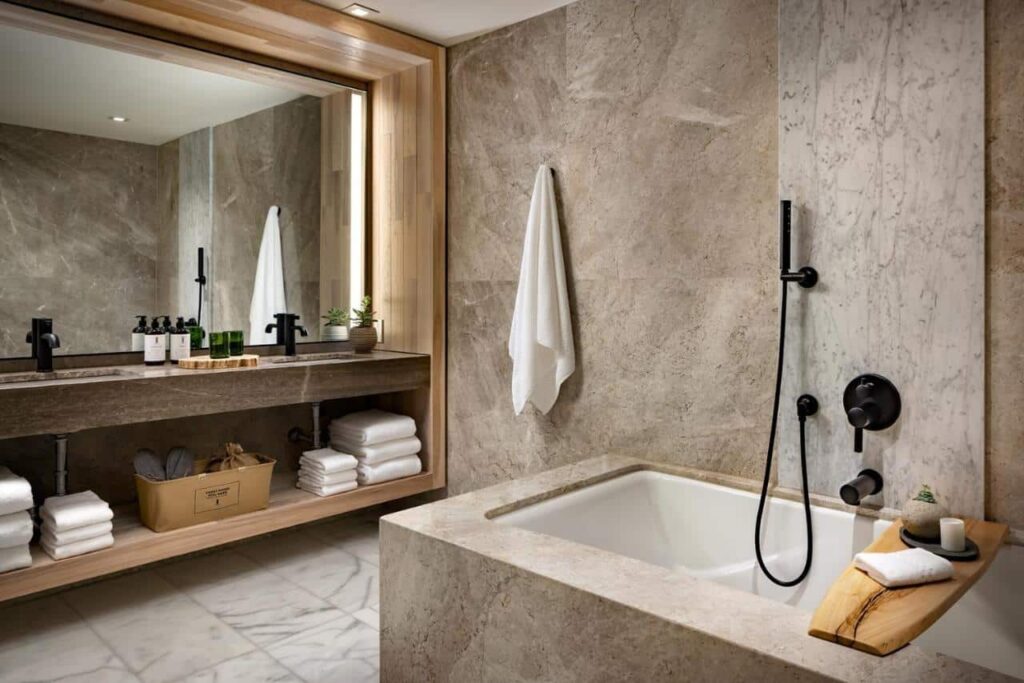
“Moisture resistant” is not the same as waterproof.
Before selecting materials for vanities, minibar units or spa-adjacent furniture, describe whether the product faces occasional splash, frequent wetting, standing water or sustained humidity.
Then check the proposed assembly against those conditions.
HPL should not be assumed suitable for every wet environment. Manufacturer guidance can include restrictions on extreme humidity and other exposures, so review the actual product documentation.
Ask about:
- Substrate suitability.
- Joints and seams.
- Cut edges.
- Plumbing openings.
- Fixings.
- Support.
- Cleaning access.
- Water traps.
- Maintenance restrictions.
Do not substitute “plywood” or “compact laminate” for a complete specification. Identify the actual product and relevant installation requirements.
Coordinate With the Building Design
Furniture cannot resolve every moisture problem.
Confirm the interfaces with plumbing, ventilation, waterproofing and drainage. Assign responsibility for site dimensions, openings, supports and installation.
If the intended exposure falls outside the product’s supported conditions, select another construction rather than relying on a general “sealed” description.
Compare Hotel Furniture Durability Standards Correctly
A test method defines how a property is assessed. The specification must also establish the required result and relevant conditions.
Do not create a universal “entry-level, mid-tier and premium” scale from unrelated test values.
| Performance Area | What the Specification Should Identify | What to Check in the Evidence |
|---|---|---|
| Coating abrasion | Method, conditions, result format and acceptance requirement | Comparable settings and tested coating system |
| Chemical resistance | Chemicals, concentration, exposure and assessment | Relevance to the operator’s cleaning regime |
| Moisture response | Product, specimen, method and exposure conditions | Applicability to the proposed substrate or panel |
| Laminate performance | Standard, edition and product grade | Correct laminate category and product data |
| Structural performance | Furniture category, configuration and requirements | Coverage of the proposed finished item |
| Appearance | Identified sample and review conditions | Colour, texture, sheen and permitted variation |
Do Not Confuse Abrasion With Hardness
ASTM D4060 evaluates abrasion resistance of organic coatings. Relevant test conditions include the abrasive wheels, applied load and test procedure. A mass-loss result alone is not a complete comparison.
A lower result should not simply be described as a “harder finish.”
Likewise, do not compare a coating mass-loss value directly with laminate wear-through cycles.
Use Laminate Standards Within Their Scope
NEMA LD 3 addresses high-pressure decorative laminates. It should not be treated as a universal classification for every TFL product.
Request the applicable grade, edition and product data. Distinguish a standard’s minimum requirement from a manufacturer’s reported result.
Match Structural Standards to the Furniture
ANSI/BIFMA X5.5 relates to desk and table products. It is not a blanket durability standard for all wardrobes, storage cabinets or headboards.
Select the relevant requirements for the actual furniture category, then confirm that the evidence covers its configuration.
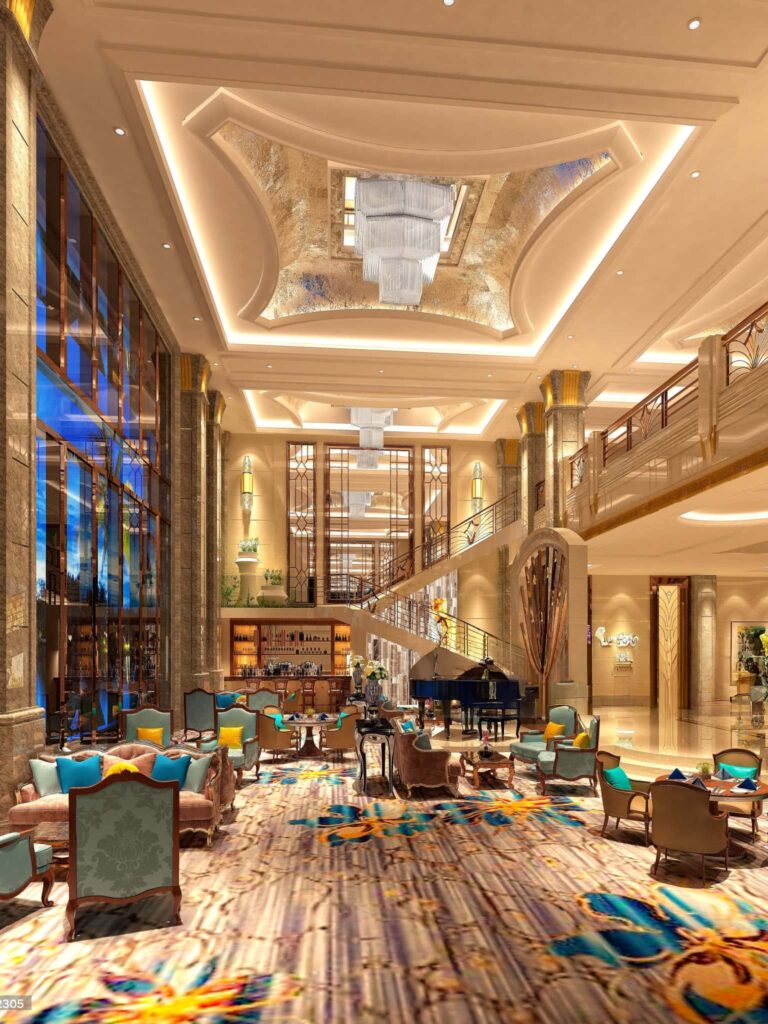
Hotel Furniture
Compare Cost on the Same Product Basis
A material price index is not useful if the products differ in size, substrate, hardware or delivery scope.
To compare alternatives, issue the same:
- Item drawings.
- Quantities.
- Dimensions.
- Functional requirements.
- Appearance references.
- Hardware requirements.
- Packaging scope.
- Commercial basis.
Ask suppliers to identify exactly what changes between options.
For example, an HPL option and a veneer option should not quietly include different drawer systems or cabinet dimensions.

Assess Repair and Replacement
Do not assume that veneer can always be refinished or laminate always requires complete replacement.
Ask the supplier to explain:
- Repairable damage.
- Repair limitations.
- Replaceable components.
- Access for disassembly.
- Availability of matching materials.
- Expected maintenance procedures.
- Warranty implications.
For veneer, the existing face thickness, coating, damage and previous work affect the repair proposal.
Use a Project-Specific Lifecycle Model
Compare:
Lifecycle cost=Purchase cost+Maintenance+Repairs+Replacement+Associated disruption
State the planning period and assumptions.
Do not label HPL, TFL, veneer or solid wood as the lowest-cost option over time without calculating the actual project scenario.
Write a Quotable Hotel FF&E Material Specification
A useful material line connects the product code to the construction, appearance and evidence requirements.
| Specification Field | Information to Include |
|---|---|
| Product reference | Item code, description and drawing revision |
| Environment | Location, use and expected exposure |
| Surface | Material, product reference and appearance requirements |
| Substrate | Product type, grade, thickness and applicable requirements |
| Edge | Material, geometry, colour and construction |
| Coating | System, appearance and relevant performance requirements |
| Hardware | Required function, model or approved alternative process |
| Evidence | Applicable methods, conditions and acceptance criteria |
| Samples | Required submissions and approval scope |
| Substitutions | Comparison information and authorised approval route |
Example: Veneered Guestroom Cabinet
Item CG-01 shall follow the referenced drawing revision. Provide the specified veneer type, grain direction and matching arrangement over the approved substrate. Submit the proposed edge construction and coating system. Appearance shall follow the identified approved sample. Declare deviations and provide the project-required performance evidence before the relevant approval stage.
Example: HPL Minibar Top
Item MT-01 shall use an identified HPL product suitable for the stated application. Confirm the proposed grade, thickness, substrate, bonding, edge treatment, support and service openings. Review anticipated water, heat and cleaning exposure against the product documentation. Submit samples and declare any limitations before approval.
These examples provide a structure. Complete them with project-specific dimensions, requirements and acceptance criteria before tender issue.
Manage Samples and Material Substitutions
A proposed substitution should explain more than the new material name.
Request a comparison covering:
- Appearance.
- Dimensions.
- Construction.
- Performance.
- Cleaning.
- Repair.
- Documentation.
- Price.
- Programme.
Do not assume that substrates, edges or hardware are automatically open to substitution.
Identify the authorised reviewers and record the decision. Where a change affects existing evidence, confirm whether further assessment is needed.
For a structured comparison process, read the hotel furniture value engineering guide.
Before production, update the material schedule, drawings and sample references so the accepted change is traceable.
Discuss Material Options With HONGYE
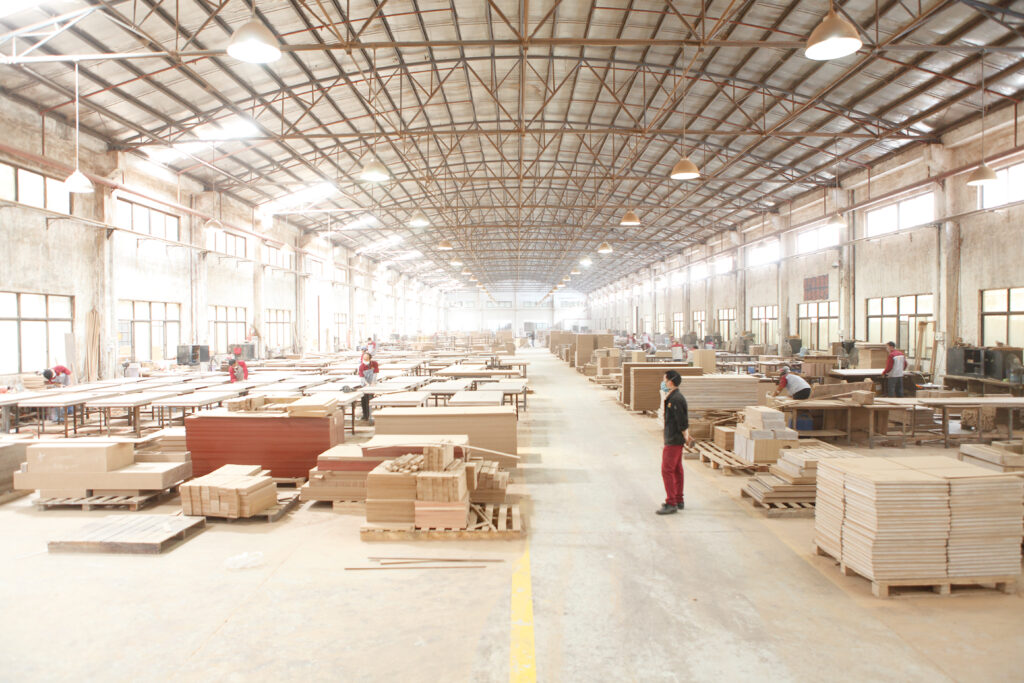
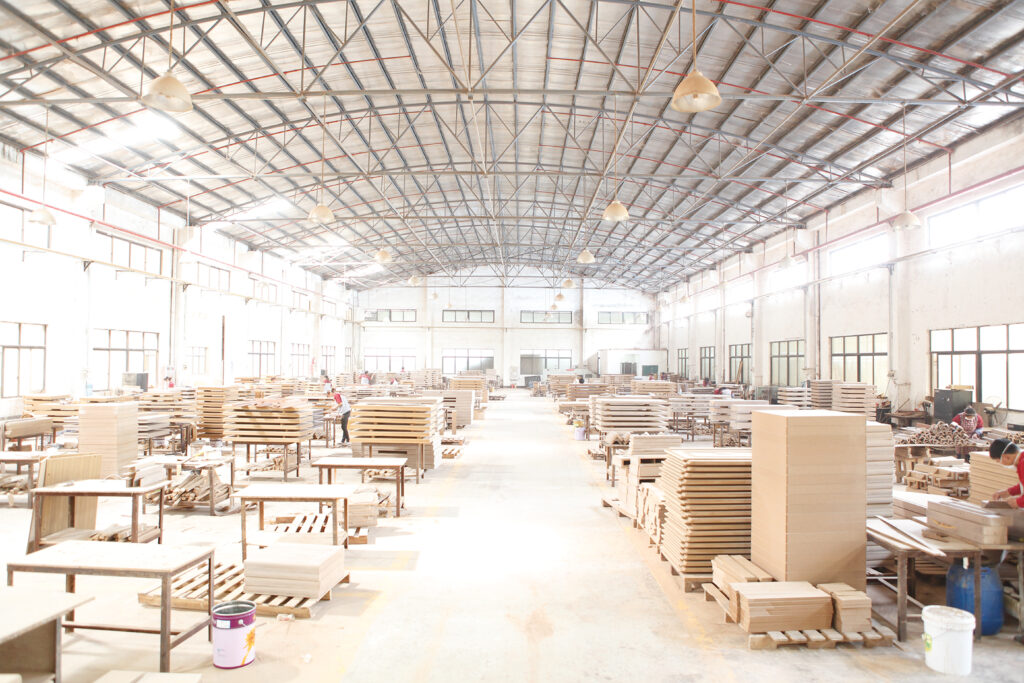
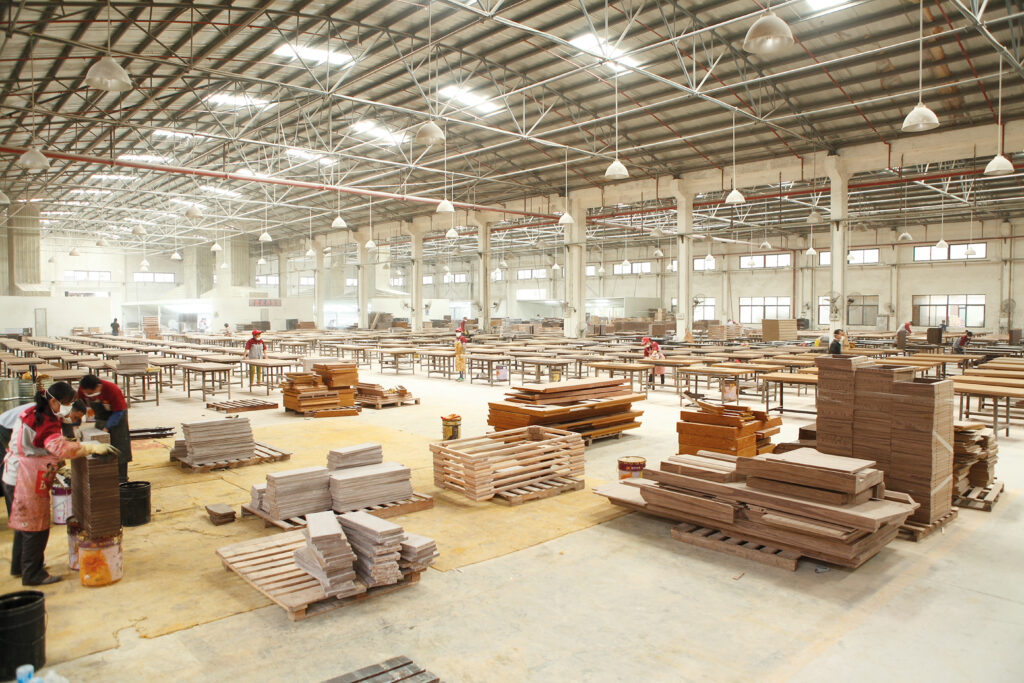
Hongye Furniture Group can discuss material and finish options against a project’s furniture schedule, drawings and requirements.
Depending on the agreed scope, the review may cover:
- Veneer and laminate options.
- Substrates.
- Edge construction.
- Finish samples.
- Cleaning requirements.
- Proposed substitutions.
- Available product-specific documentation.
- Price and programme implications.
Confirm documentation availability and production conditions for the actual products. A general company certificate list does not replace evidence relevant to the proposed assembly.
Explore the hospitality project portfolio for related work.
To request a material comparison, send the current schedule, drawings, finish references, delivery destination and known requirements through the contact page.
Frequently Asked Questions
What are the main hotel furniture materials?
Common options include wood veneer, TFL, HPL and solid wood.
Compare them as part of the complete construction, including the substrate, edges, coating, hardware and intended environment.
Is laminate the same as HPL?
HPL is one type of laminate.
When comparing it with melamine-faced boards, use the more specific term TFL and identify the actual product construction.
Is veneer or laminate better for hotel casegoods?
Neither is universally better.
Compare the required appearance, use, exposure, repair strategy and complete product cost. Approve identified samples and construction details.
Is HPL waterproof?
Do not assume that an HPL-faced furniture assembly is waterproof.
Check the specific laminate, substrate, seams, edges, openings and manufacturer limitations for the intended environment.
Can wood veneer be refinished?
It may be possible, but suitability depends on the existing veneer, coating, damage and previous work.
Request a product-specific repair proposal rather than assuming refinishing will always be available.
Which durability tests should appear in a furniture specification?
Select tests according to the product and its expected exposures.
Define the relevant conditions and acceptance requirements. A list of standard numbers alone does not establish suitability.
What is the cheapest hotel furniture material over its life?
There is no universal answer.
Compare equivalent products using purchase, maintenance, repair, replacement and disruption costs over a stated planning period.
Can a supplier change the substrate while keeping the approved surface?
Only through the applicable project approval process.
A substrate change can affect the assembly, so the proposal should identify its technical, visual, documentation and commercial implications.
Select the Construction, Not Just the Finish
A reliable material decision connects the required appearance with the way the product is built, used and maintained.
Define the complete assembly. Compare evidence under equivalent conditions. Price alternatives against the same scope, then document samples and approved changes.
That process makes hotel casegoods finish selection more useful for design review, supplier comparison and production control.